
How implementing Blockchain Transforms Educational Institutions: Benefits, Use cases, and Best Practices
Blockchain technology is rapidly reshaping traditional industries—and educational institutions are no exception.In this comprehensive guide, we explore how implementing blockchain transforms education by offering enhanced security, transparency, and efficiency. Learn about the main benefits, practical use cases, inspiring success stories, and actionable best practices for leveraging blockchain in schools, colleges, and universities.
Introduction: Blockchain’s Arrival in Education
In recent years, blockchain technology has moved beyond its roots in finance to revolutionize sectors like healthcare, supply chain management, and notably, education. As a secure, decentralized ledger, blockchain offers educational institutions a fresh approach to longstanding challenges—such as credential fraud, inefficient administrative processes, and a lack of data transparency.
By implementing blockchain, educational institutions can increase trust, enhance data integrity, and empower both students and educators. This article reveals how blockchain is transforming education, offering practical strategies and real-world examples to help stakeholders successfully harness its potential.
Key Benefits of implementing Blockchain in Educational Institutions
- Enhanced Security and Privacy: Blockchain employs strong cryptography, safeguarding sensitive student records and personal data from hacking or unauthorized access.
- Immutable Academic Records: All transactions and changes are time-stamped and stored immutably, making diploma and certificate fraud virtually impractical.
- Efficient Administrative Processes: Smart contracts on blockchains automate repetitive tasks—such as student enrollment,transcript verification,and course registration—saving time and resources.
- Increased Trust and Transparency: Blockchain’s open ledger ensures that grades, attendance, and credentialing are transparent, traceable, and verifiable by authorized parties.
- student Empowerment: Learners can manage and share their own credentials in digital wallets, offering portability and full control over their achievements and learning history.
- Global Recognition: Blockchain enables easy cross-border verification of credentials, simplifying admissions and job placements for international candidates.
Top Blockchain Use Cases in Education
1. Issuing and Verifying Academic Credentials
Diploma and certificate fraud is a costly problem for institutions and employers. By issuing academic records on a blockchain,schools and universities can:
- Generate tamper-proof digital diplomas and transcripts
- Enable instant credential verification by employers and other institutions
- Minimize administrative delays and reduce paper-based processes
2. Streamlining Student Data Management
Blockchain securely records student details in a decentralized database accessible onyl by authorized parties. This streamlines:
- Enrollment management
- Attendance and discipline tracking
- Transcript sharing (e.g., for transfers or study abroad)
3. Empowering Lifelong Learning & digital Badges
Blockchain enables micro-credentials—such as digital badges or certificates—issued for completing online courses, workshops, or skill-building programs. These are:
- verifiable and portable by design
- Storable in digital wallets owned by the learner
- Recognized across multiple institutions and platforms
4. Automating Financial Transactions
Smart contracts on blockchain can simplify tuition payments, scholarship disbursements, and grant funding by:
- Automatically releasing funds based on pre-defined conditions
- Minimizing paperwork and processing time
- Ensuring transparency in financial flows
5. Intellectual Property & Research Data Protection
universities produce a wealth of research. Blockchain timestamps and secures IP claims, helping protect:
- Research data and findings
- Copyright ownership for academic publications
- Patent registration timelines
Successful Blockchain Implementation: Real-World Examples
MIT (Massachusetts Institute of Technology): Digital Diplomas
As 2017, MIT has issued blockchain-based digital diplomas to its graduates. Using the Blockcerts platform,alumni can easily share verifiable diplomas with employers,making credential fraud nearly impossible.
University of Nicosia: Blockchain for Academic Management
The University of Nicosia in Cyprus utilizes blockchain to issue certificates and manage academic records, dramatically reducing the time and cost required for credential verification.
Indian Institutes of Technology (IITs): Distributed Ledger Systems
IIT institutions across India are developing blockchain ecosystems for transparent and efficient management of student data, reducing paperwork and improving access.
Best Practices for Adopting Blockchain in Educational Institutions
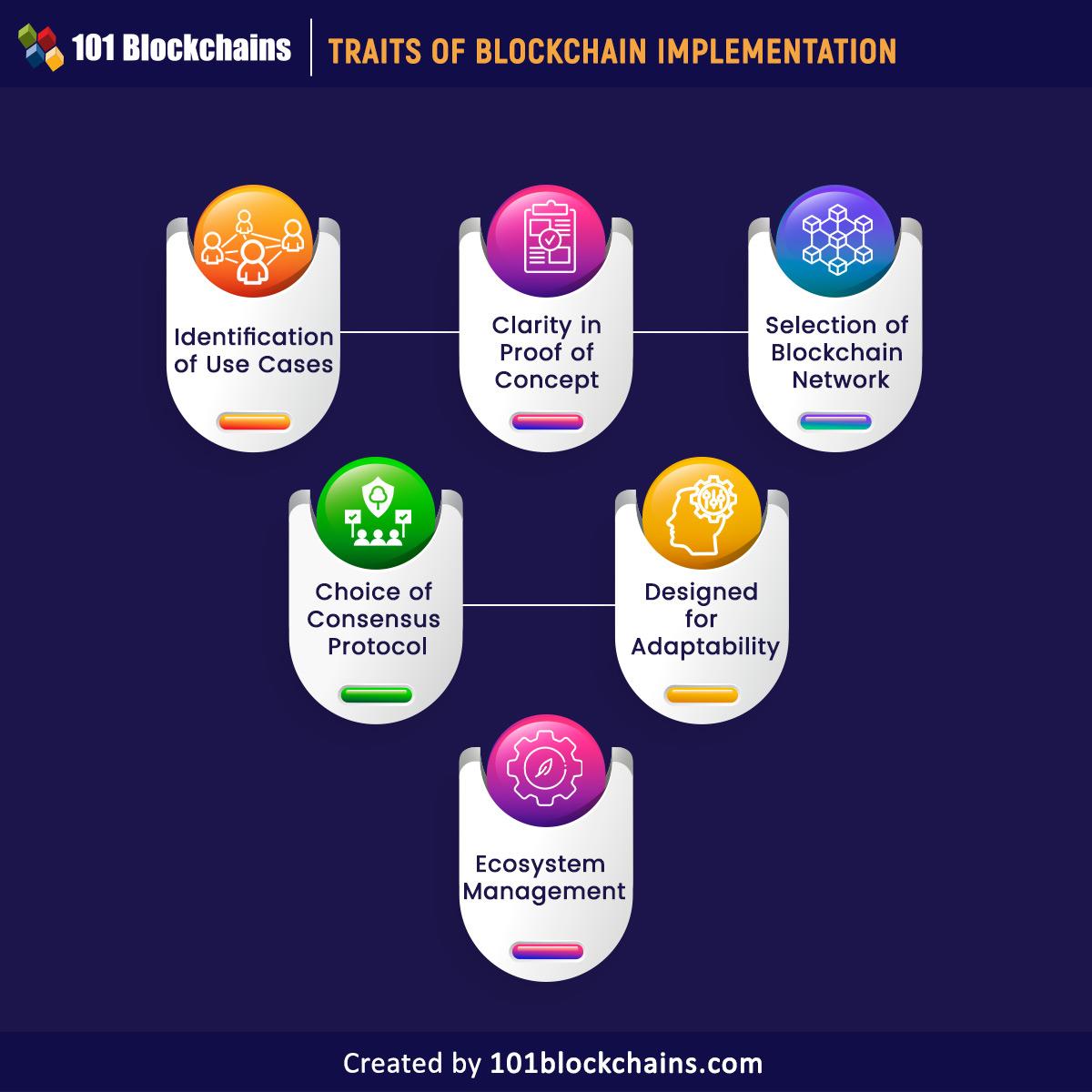
- Start with a Pilot project: Identify a single use case—such as diploma issuance—for a pilot before scaling up.This allows for stakeholder feedback and system optimization.
- Ensure Regulatory Compliance: Work closely with educational authorities and legal experts to ensure your blockchain implementation meets privacy,data protection,and accreditation standards.
- Engage Stakeholders Early: Communicate the benefits of blockchain to faculty, IT teams, students, and administrative staff to foster widespread adoption and address potential concerns.
- Choose the Right Blockchain Platform: Evaluate open-source (e.g., hyperledger, Ethereum) vs. proprietary platforms based on your institution’s needs—consider privacy, scalability, and ease of integration.
- Prioritize Data Security: Encrypt sensitive records and set role-based access controls, ensuring only authorized users can view or modify critical information.
- Plan for Integration: Ensure the blockchain system can interoperate with existing student information systems, learning management systems (LMS), and external verification services.
- Continuously Educate and Iterate: Offer training and resources for staff and students, and use feedback to refine processes as blockchain technology evolves.
Challenges and Considerations
- Technical Complexity: Blockchain systems may require new IT skills and infrastructure investments.
- Data Privacy Laws: Compliance with regulations (like GDPR or FERPA) is essential when implementing decentralized databases.
- Change Management: Staff and student buy-in is crucial; regular interaction and training help manage resistance.
- scalability: As the number of users grows, institutions must choose platforms capable of handling large transaction volumes efficiently.
Conclusion: Embracing a Blockchain-Driven Future in Education
Implementing blockchain technology in educational institutions unlocks unprecedented opportunities for security, efficiency, and global recognition. By issuing immutable credentials, streamlining governance, and empowering lifelong learners, blockchain positions schools, colleges, and universities as torchbearers of innovation and trust.
While the journey requires careful planning, stakeholder engagement, and technical foresight, the long-term benefits of blockchain in education are transformative.By adopting best practices and learning from pioneering institutions, your educational institution can confidently step into a more transparent, secure, and future-ready era.
If you’re considering blockchain implementation in your institution, start small, focus on a clear pain point, and invite all stakeholders into the conversation.Blockchain is not just a tool—it’s a catalyst for smarter, more open, and student-centered education systems.