
How Implementing Blockchain Transforms Educational Institutions: Key Benefits and Practical Steps
In a rapidly evolving digital world, blockchain technology has emerged as a transformative force across various industries. Educational institutions, from primary schools to universities, are beginning to realize the profound impact blockchain can have on administration, credentialing, data integrity, and more. This detailed guide explores how implementing blockchain transforms educational institutions, the key benefits, practical steps for adoption, and real-world examples of success. Weather you are part of an academic leadership team, an IT administrator, or simply curious about blockchain in education, this article is your go-to resource.
What Is Blockchain in Education?
Blockchain is a distributed ledger technology known for its ability to securely store transactions in a tamper-proof manner. In the context of educational institutions, blockchain provides a transparent, decentralized platform for managing academic records, issuing digital certificates, streamlining administrative tasks, and verifying credentials.
- Decentralized — No single point of failure; records are shared across multiple nodes.
- Immutable — Records,once written,cannot be altered,safeguarding against forgery or manipulation.
- Transparent — Students, faculty, and employers can easily verify credentials in real time.
- Secure — Advanced cryptography ensures data security.
Key Benefits of Blockchain in Educational Institutions
1. Enhanced Data Security & Privacy
Academic records are highly sensitive. Blockchain technology ensures that student data, diplomas, and academic results are stored securely, minimizing risks of data breaches and unauthorized access. Unlike traditional centralized databases, blockchain’s cryptographic features provide:
- End-to-end encryption of student and faculty records.
- Reduced potential for identity theft or credential fraud.
- Immutable storage, preventing retroactive manipulation or loss of records.
2. Simplified Credential Verification
Traditional verification of transcripts and diplomas can be time-consuming and costly for both graduates and employers. Blockchain-based credentialing allows instant verification, saving time and reducing administrative overhead.
- Graduates can digitally share verified certificates with employers worldwide.
- Employers benefit from instant, tamper-proof verification of academic qualifications.
- Institutions reduce resource allocation toward manual verification.
3. Streamlined Administrative Processes
Blockchain in education automates and streamlines complex administrative workflows, from student admissions to course registration and fee collection, using smart contracts.
- automated fee payments, refunds, and financial aid distribution.
- Digital transcripts and degree issuance with smart contract automation.
- Reduced paperwork and improved process transparency.
4. Improved Student Agency and Ownership
Blockchain empowers learners by giving them control over their academic records. Students can securely access, manage, and share their digital credentials without needing to request documents from the institution every time.
- Ownership of lifelong learning portfolios.
- Ability to compile achievements from multiple institutions in one decentralized profile.
5. Stimulating innovation and Collaboration
By promoting open, verifiable credentials and transparent collaboration tools, blockchain can definitely help institutions build new research networks, global learning platforms, and micro-credentialing systems aligned with the demands of modern learners and employers.
- Easier transfer and recognition of credits between institutions globally.
- Innovative pathways for lifelong learning and professional upskilling.
Real-World Use Cases: Blockchain in Action
Case Study 1: Massachusetts Institute of Technology (MIT)
MIT piloted the use of blockchain to issue digital diplomas through the Blockcerts platform.Graduates received secure, tamper-proof digital diplomas they could share with employers or academic institutions, eliminating diploma fraud and cutting verification time from days to seconds.
Case Study 2: University of Nicosia
The University of Nicosia in Cyprus became one of the first universities to use blockchain for verifying academic credentials and storing coursework certifications,paving the way for transparent,cross-border academic recognition.
Case Study 3: Sony Global education
Sony built an educational platform using blockchain to securely share and manage student achievement records among multiple schools and institutions, promoting collaborative learning and seamless data transfer.
Practical Steps to Implement Blockchain in education
Ready to bring blockchain technology to your institution? Follow thes actionable steps to ensure a prosperous, phased integration:
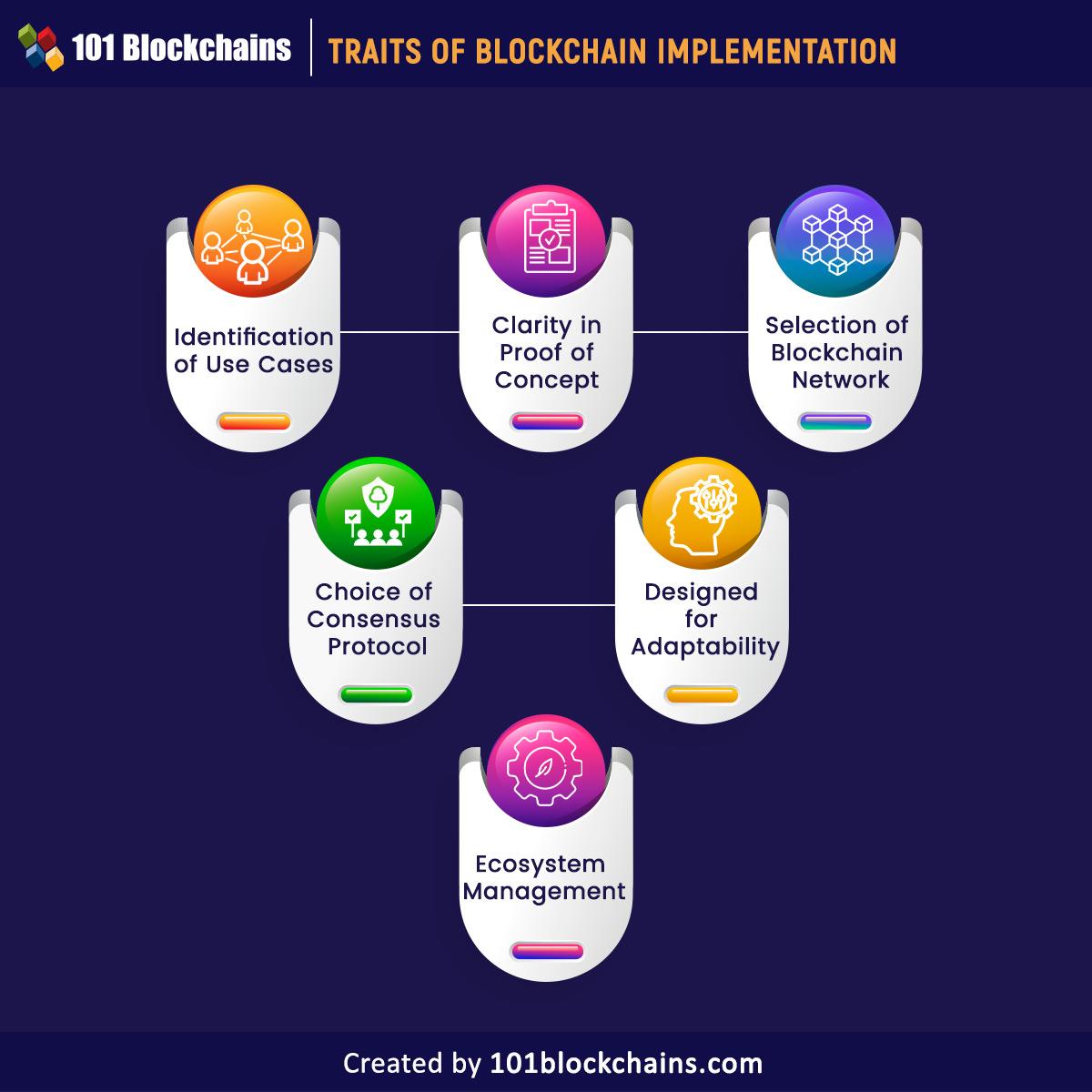
1. Define Objectives and Scope
- Identify pain points blockchain could solve (credentialing, admin, data security).
- Consult with key stakeholders — administrators, IT, faculty, and students.
- Set clear, measurable goals for blockchain adoption.
2. Choose the Right Blockchain Platform
- Evaluate platforms such as Ethereum, Hyperledger, or custom permissioned blockchains based on privacy and scalability needs.
- Consider open-source solutions for maximum versatility.
- Ensure platform supports integration with existing campus systems (SIS, LMS).
3. Develop a Pilot Project
- Start with a focused application like digital certificates or transcript management.
- Gather a dedicated pilot team and select an appropriate user group (e.g., recent graduates).
- Analyze results, gather feedback, and optimize processes before campus-wide rollout.
4. Address compliance and Data Privacy
- Ensure adherence to local and international data protection regulations (GDPR, FERPA).
- Engage legal experts familiar with blockchain in education.
5. Training and Change Management
- Educate staff and students on blockchain features and benefits.
- Provide training on how to use new digital credential platforms.
- Communicate the advantages and address concerns for wider acceptance.
6. Scale up and Continuously Improve
- Expand blockchain usage to other processes such as attendance, assessments, or campus voting systems.
- Gather ongoing feedback and refine implementation.
- Collaborate with partner institutions for interoperability and mutual benefit.
Potential Challenges and How to Overcome Them
- Technical complexity: Invest in staff training and engage expert partners during early adoption.
- Cost: Start with cost-effective pilot projects and monitor ROI before investing further.
- Regulatory Uncertainty: Stay updated with legal requirements and work closely with authorities to ensure compliance.
- Cultural Resistance: Focus on clear interaction and highlight blockchain’s long-term benefits for all stakeholders.
Conclusion: The Future of Blockchain in Education Is Bright
The adoption of blockchain technology in educational institutions is more than a passing trend — it’s a strategic move toward modernization,transparency,and trust. From safeguarding credentials and streamlining administration to empowering students with digital ownership, the key benefits of blockchain are reshaping the landscape of learning.
As more forward-thinking institutions integrate blockchain into their core processes,the education sector is poised to become more efficient,accessible,and innovative. By following practical implementation steps and learning from existing case studies, your institution can stay ahead of the curve — providing students and staff with a future-proof, secure, and transparent educational experience.
Ready to start your blockchain in education journey? Begin by piloting digital credentials, educating stakeholders, and partnering with solution providers who understand the unique needs of academic institutions.