
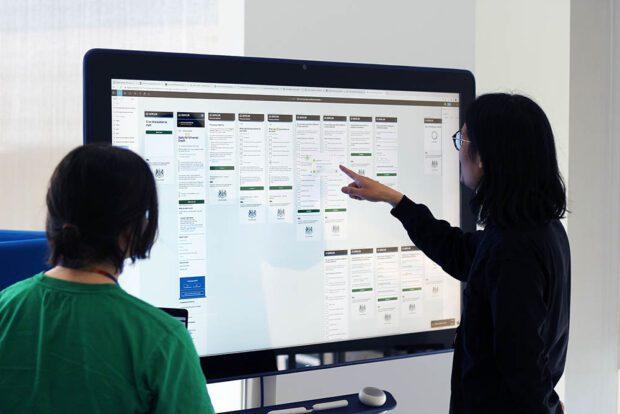
How Interaction Designers Are Revolutionizing EdTech: Key Skills and Career Insights
Curious about how you can break into the thriving field of education technology? If you’re passionate about transforming learning experiences at universities, colleges, or schools, a career as an interaction designer in EdTech might be your best move. Interaction designers are at the forefront of reshaping how educators teach and students learn through digital platforms. In this article, we’ll explore the pivotal role of interaction designers in EdTech, highlight the essential skills you’ll need, share practical career insights, and outline the benefits of working in this rapidly evolving field.
What is an Interaction Designer in EdTech?
Interaction designers in the education technology sector focus on creating intuitive, effective, and meaningful user experiences for educational software, e-learning platforms, mobile applications, and digital classrooms. Their expertise ensures that technology in schools, colleges, and universities supports educational goals, enhances student engagement, and empowers educators with practical tools.
With the global shift toward online and blended learning, the demand for skilled interaction designers in EdTech has never been higher. These professionals bridge the gap between technology and pedagogy, making educational products both usable and engaging for diverse users.
Key Responsibilities of Interaction Designers in EdTech
Working as an interaction designer in education technology comes with a rich set of responsibilities, including:
- Conducting user research to understand the needs of students, teachers, and administrators
- Designing user flows and interactions for web and mobile applications
- creating wireframes, prototypes, and mockups for new features or products
- Collaborating with UI designers, developers, education specialists, and product managers
- testing and refining digital learning tools based on real user feedback
- Ensuring compliance with accessibility, usability, and data privacy standards in education
- Advocating for user-centered design throughout the product growth lifecycle
Essential Skills for Interaction designers in EdTech
To excel in an interaction design career in education technology, aspiring candidates need a strong mix of technical skills and soft skills.Here are some of the moast sought-after abilities:
1. User Research & Empathy
- Interviewing and surveying diverse users, including K–12 students, university staff, and teachers
- Translating user pain points and goals into actionable design solutions
2. Wireframing & Prototyping
- Creating interactive prototypes using tools like Figma, Sketch, Adobe XD, or Axure
- iterating quickly based on core user feedback
3. Usability Testing
- Designing and conducting usability tests to identify barriers in digital learning tools
- Working with analytics to optimize student and educator experiences
4. Accessibility Awareness
- Ensuring that educational platforms are usable by everyone, including those with disabilities (WCAG, Section 508)
- Building inclusive designs that support diverse learning styles
5. Collaboration & Dialog
- Working in cross-functional teams with developers, instructional designers, teaching staff, and EdTech vendors
- Explaining design decisions clearly to technical and non-technical stakeholders
6. Understanding of Pedagogy
- ability to apply basic learning theory and instructional design principles to ensure designs truly benefit learners
- Staying updated on educational trends and EdTech innovations
The Impact of Interaction Designers on Education Technology
The influence of interaction designers in EdTech can be seen across the entire education landscape. They:
- Increase student engagement by making digital learning platforms more intuitive and interactive
- Facilitate personalized learning by designing adaptable user interfaces and clear user journeys
- Enhance accessibility and inclusiveness, ensuring no student is left behind due to technology barriers
- Simplify administrative tasks, saving time for teachers and staff
- Promote adoption of new technologies in schools and higher education
Benefits of Working as an Interaction Designer in EdTech
choosing a career as an interaction designer in education technology offers both personal and professional rewards:
- High Job Demand: The global EdTech sector is booming, with universities and K–12 schools investing in digital tools for the long term.
- Mission-Driven Work: You’ll impact the lives of millions of students and educators, helping shape the future of learning.
- Continuous Learning: The education landscape is always evolving, offering progressive projects and the chance to expand your skills.
- Collaborative Environment: Interaction designers work with diverse, passionate teams.
- Career Growth: Opportunities for advancement into lead designer, design manager, or product lead roles are abundant.
- Versatility: Many EdTech jobs offer remote work options, supporting flexible work-life balance.
Career Insights: Landing a Job as an Interaction Designer in EdTech
If you’re ready to launch your EdTech career as an interaction designer, here’s how to get started:
1. Build a Strong Portfolio
- Showcase projects focused on education or digital learning, even if they’re personal or freelance work
- Include user research processes, journeys, and rationale for your design decisions
2. Invest in professional Development
- Take online courses in UX/UI design, accessibility, and educational technology
- Stay current on EdTech trends, such as game-based learning, AI-driven tools, or mobile-first platforms
3. Network Within the EdTech Community
- Attend EdTech conferences, local meetups, or online events dedicated to education design
- Join professional groups to connect with hiring managers at universities, K–12 organizations, and edtech startups
4. Highlight Your Passion for Education
- Demonstrate knowledge of pedagogical principles and a genuine interest in improving education
- Share stories of collaboration with teachers, students, or school leaders
5. Tailor Your Submission
- Customize your resume and cover letter for education-focused organizations
- Quantify the impact of your design work, such as increased student engagement or higher platform adoption rates
Practical Tips for Aspiring EdTech Interaction Designers
- Stay User-Focused: Prioritize the unique needs of learners, teachers, and administrators in every project.
- Master prototyping Tools: Develop fluency in tools like Figma, InVision, and Adobe XD to quickly translate ideas into interactive models.
- Understand Privacy and Security: Familiarize yourself with data privacy laws (such as FERPA) that impact EdTech products in schools and universities.
- Embrace Feedback: Welcome iterative feedback from real users—students,educators,and IT staff—to keep designs relevant and effective.
- Collaborate Across Departments: Partner with instructional technologists, content creators, and IT to ensure holistic design solutions.
Conclusion
The role of interaction designers in EdTech is vital for the future of education. By combining empathy, technical know-how, and a deep understanding of user needs, these professionals are transforming classrooms, digital campuses, and e-learning experiences across the globe. If you’re passionate about learning and technology, now is the perfect time to explore a rewarding career in education technology. With the right skills, a strong portfolio, and a true desire to enhance education, you can be at the forefront of this revolution—helping students, instructors, and academic institutions realize the true potential of digital learning.
Weather you’re seeking your first EdTech job or aiming to take your design career to the next level, remember: interaction designers don’t just create digital tools. They create possibilities for better, more inclusive, and more impactful learning for everyone.