
How Microlearning Transforms Corporate Training Programs for Maximum Impact
In today’s fast-paced business environment, organizations are seeking innovative and efficient solutions to upskill their workforce. One such game-changing approach is microlearning. But what makes microlearning so powerful? This article explores how microlearning revolutionizes corporate training programs, maximizing impact while meeting modern learning demands.
What is Microlearning? A Snapshot for the Modern Workplace
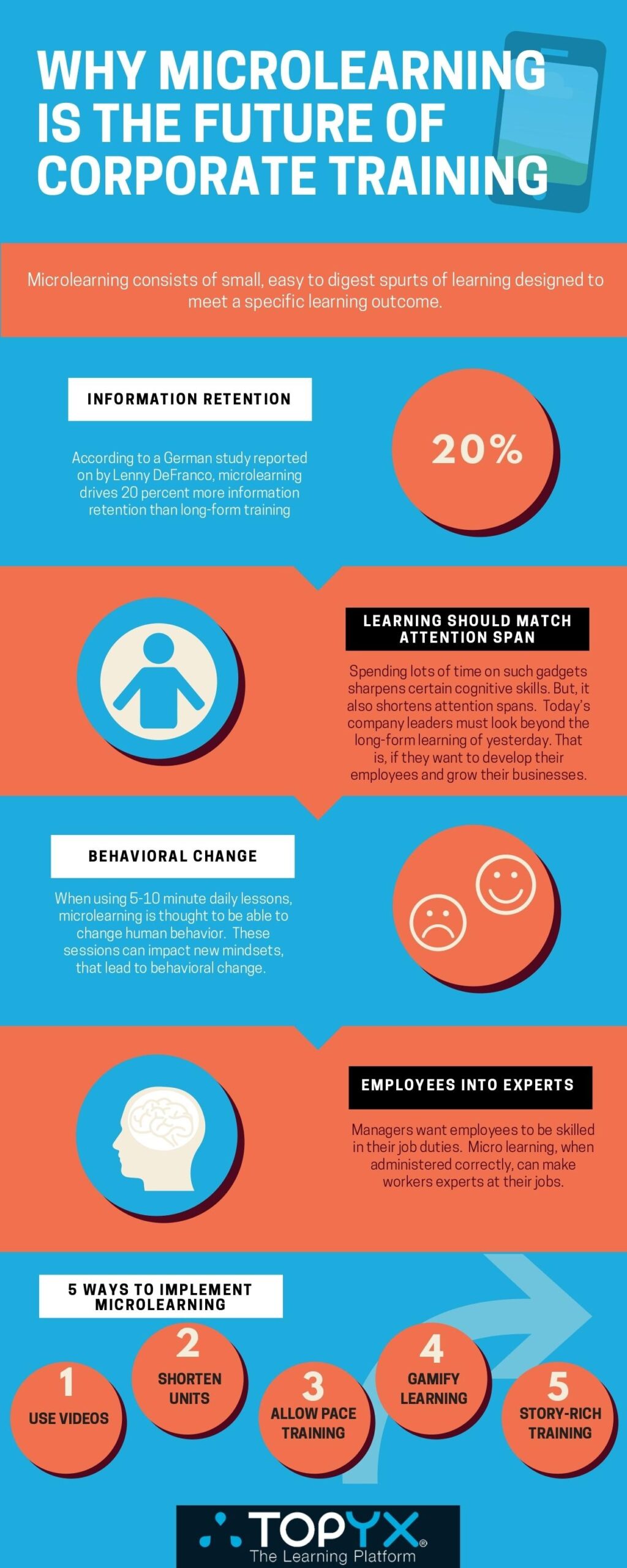
Microlearning refers to delivering training content in short, focused bursts, typically lasting between two and ten minutes. These learning modules zero in on specific skills or concepts, making data easy to digest and remember. This format is especially effective in corporate training programs, as it supports just-in-time learning and fits seamlessly into the busy schedules of employees.
- Short and targeted modules – Designed to address specific learning objectives
- Accessible anytime, anywhere – Compatible wiht mobile devices
- Engaging format – often includes videos, quizzes, infographics, and interactive content
The Impact of Microlearning on Corporate training Programs
The adoption of microlearning in corporate training is not just a trend—it’s a strategic move. Here’s how microlearning is transforming employee development across industries:
1.Increased Knowledge Retention
Research shows that learners retain information better when consumed in small, manageable segments. microlearning aligns perfectly with how adults learn, boosting cognitive engagement and long-term retention.Employees are more likely to remember what they’ve learned,leading to improved performance.
2. Enhanced learner Engagement
Traditional corporate training methods often struggle with low engagement, especially in lengthy seminars or static e-learning courses. By contrast, microlearning leverages interactive media and gamification, making training more enjoyable and stimulating. This drives higher completion rates and voluntary participation.
3. Flexibility and Accessibility
Microlearning modules can be accessed via smartphones,tablets,or desktops,accommodating remote and hybrid workplaces. This flexibility enables employees to learn at their own pace and revisit training materials whenever needed, ensuring continuous learning.
4. Cost and Time Efficiency
Developing and deploying microlearning content is typically faster and more cost-effective than producing lengthy courses. Organizations save resources while delivering frequent and targeted updates in line with evolving business needs.
Key Benefits of Microlearning in Corporate Training
- Personalized Learning Paths: Employees can select modules tailored to their roles and career goals.
- Real-Time Performance Support: Bite-sized training provides instant access to information, especially helpful for on-the-job learning.
- Scalability: Easily update existing modules and distribute them to global teams without major logistical challenges.
- Continuous Improvement: Frequent assessments and feedback loops help identify knowledge gaps and refine content.
- Reduced Cognitive Load: Smaller units of learning minimize overwhelm and make knowledge transfer more effective.
Microlearning vs. Traditional Training Methods: A comparative Analysis
| Aspect | Traditional Training | Microlearning |
|---|---|---|
| Duration | Hours/Days | Minutes |
| Engagement | Passive | Interactive |
| Accessibility | Limited | Mobile-friendly |
| Customization | Challenging | Simple and fast |
Real-World Case Studies: Microlearning Success Stories
Many forward-thinking organizations have already leveraged microlearning to improve corporate training outcomes. Let’s explore two inspiring case studies:
Case Study 1: Global Tech Company Revamps Compliance Training
A multinational technology firm struggled with low completion rates for its mandatory compliance training. By transitioning to microlearning modules—short videos and gamified quizzes delivered via mobile app—the company saw completion rates soar from 58% to 93%. Employees appreciated the flexibility and engaging format, resulting in fewer compliance violations.
Case Study 2: Financial Services Provider Upskills Remote Teams
A financial institution with distributed teams faced challenges in keeping staff updated on the latest regulations. Implementing a microlearning platform allowed employees to access concise training modules during their workday.Managers reported improved knowledge retention and faster onboarding for new hires.
Expert Insights: first-hand Experience with Microlearning
“Microlearning changed the way our employees perceive training. It’s no longer a chore, but somthing they genuinely look forward to.The ability to quickly apply what they’ve learned to real-world tasks has elevated our team’s performance.” – Head of HR, Fortune 500 Company
Practical Tips for Implementing Microlearning in Your Organization
ready to transform your corporate training programs? Here are some actionable insights to get started with microlearning:
-
Define Clear Learning Objectives:
Break down larger training goals into concise, focused topics suitable for microlearning.
-
Leverage Multimedia Content:
Incorporate videos, infographics, podcasts, and interactive quizzes to boost engagement.
-
Make Modules Mobile-Friendly:
Ensure all microlearning sessions are accessible on smartphones and tablets.
-
Encourage Social Learning:
Use discussion boards,collaborative projects,and peer feedback to create a community of learners.
-
Track Progress and Gather Feedback:
Use LMS analytics to monitor completion rates, quiz scores, and learner feedback for continuous improvement.
Best Practices for Designing Effective Microlearning Content
- Keep each module under 10 minutes for optimal focus
- Use real-life scenarios to enhance relevance and application
- Integrate micro-assessments to reinforce key concepts
- allow for self-paced exploration and on-demand access
- Continuously update content to reflect latest industry trends and regulations
SEO Benefits: Why Microlearning Content is Ideal for Online Training Platforms
Microlearning modules can be easily optimized for search engines—each topic or skill serves as a potential keyword entry point. This not only enhances corporate training but boosts content visibility for potential employees seeking online learning solutions.
- Rich Keyword Density: Each module addresses specific training keywords and search intent.
- Frequent Content Updates: Non-linear structure allows quick updates for better SEO rankings.
- Increase Dwell time: Interactive microlearning drives learner engagement and longer session times.
- Mobile Optimization: Algorithms favor mobile-friendly content, benefiting both learners and ranking signals.
Conclusion: Microlearning Drives Maximum Impact in Corporate Learning
Microlearning has fundamentally transformed the corporate training landscape, offering a flexible, engaging, and scalable approach to workforce development. from boosting knowledge retention to enhancing learner motivation and delivering measurable business outcomes, its impact cannot be overstated. By embracing microlearning, organizations can future-proof their corporate training programs and empower employees with the skills needed for long-term success.
whether you are a training manager, HR leader, or business executive, embracing microlearning is a strategic move for maximizing the impact of your corporate educational initiatives. The time to act is now—integrate microlearning and watch your organization flourish.
Keywords: microlearning, corporate training programs, employee development, workplace engagement, online training platforms, corporate e-learning, knowledge retention, business education.