
How Microlearning Transforms Professional Development: Benefits, Strategies, and Future Trends
The rapidly evolving workplace demands continuous learning and adaptability. Customary training sessions—long, time-consuming, and often overwhelming—can no longer keep up with the pace of modern businesses.
Microlearning is changing this narrative, delivering impactful, bite-sized content that fits seamlessly into daily routines.
In this comprehensive guide, we’ll explore how microlearning transforms professional development, its compelling benefits, proven implementation strategies, and the future trends defining next-generation corporate training.
What is Microlearning? Understanding the Concept
microlearning refers to a training approach that delivers knowledge in small, focused bursts. Typically spanning 3–10 minutes,these short learning modules are designed for quick consumption and immediate submission.
microlearning modules utilize various formats, including short videos, infographics, interactive quizzes, podcasts, and mobile apps, making learning accessible anytime, anywhere.
- Short: Delivers concise, laser-focused content.
- Accessible: Easy to distribute through mobile devices, LMS, or workplace platforms.
- Flexible: Enables learning on demand to support just-in-time development.
- Engaging: Uses multimedia elements to boost knowledge retention.
The Benefits of microlearning in Professional Development
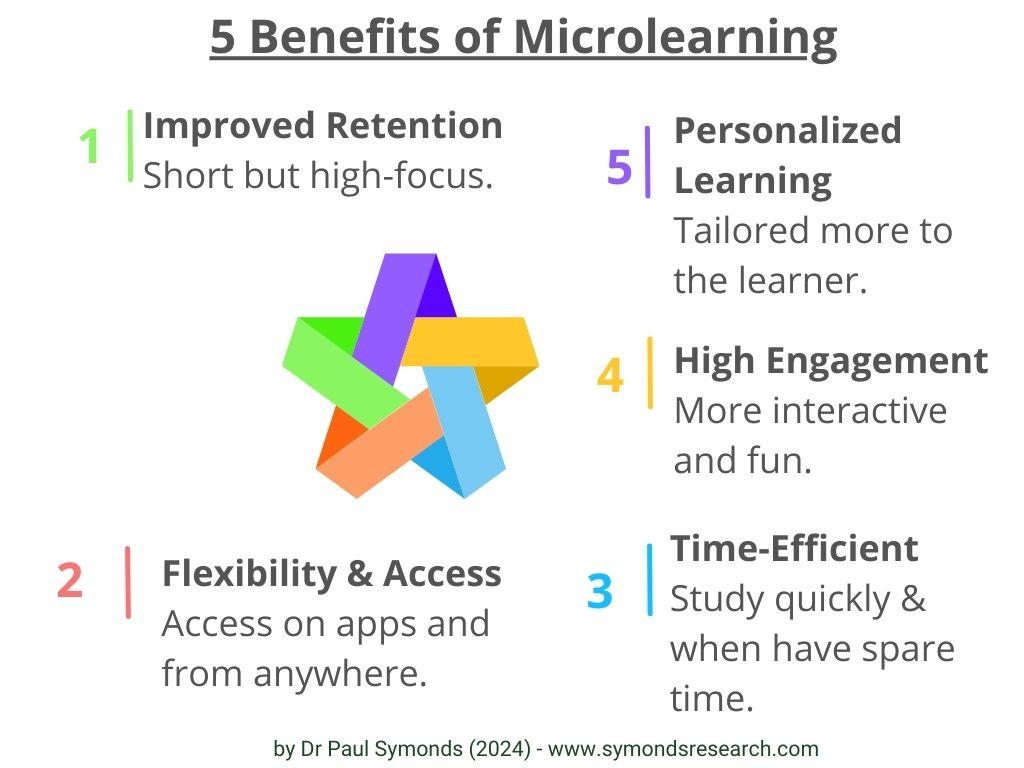
1. Enhanced engagement and Retention
Microlearning keeps learners attentive by preventing cognitive overload. According to the Forgetting Curve theory, people forget approximately 50% of new data within an hour if it’s not reinforced. Microlearning combats this by breaking topics into digestible chunks, making repetition and reinforcement easier.
- Active Participation: Interactive microlearning content—quizzes, simulations, and real-life scenarios—increases engagement.
- Improved Memory: Short lessons facilitate better long-term retention and understanding.
2. Flexible,Anytime Learning
Modern professionals value versatility. Microlearning can be accessed on-demand,on any device,fitting seamlessly into busy schedules without disrupting workflow.
- Mobile-friendly learning on the go
- Supports remote and hybrid workforces
- enables self-paced, personalized learning paths
3. Cost and Time Efficient
Traditional classroom training is often expensive and time-consuming. Microlearning reduces costs by minimizing travel, trainer expenses, and scheduling hurdles. Organizations report faster onboarding, quicker upskilling, and better ROI.
4. Immediate Application of Knowledge
Since microlearning targets specific skills or concepts, employees can promptly apply what thay learn to thier roles, increasing workplace productivity and motivation.
5. Personalized Learning Experiences
Microlearning enables customized content delivery based on learners’ job roles, skill gaps, and interests, making professional development more relevant and impactful.
Effective strategies for Implementing Microlearning in the Workplace
Integrating microlearning into your professional development program requires careful planning and the right tools.Here’s how to get started:
- Analyze Learning Needs: Identify gaps and prioritize critical skills for your workforce.
- Chunk Content: Break down complex topics into small, focused modules targeting one learning objective at a time.
- Leverage Engaging Formats: Combine videos, interactive scenarios, flashcards, and micro-assessments to cater to different learning preferences.
- Embed Microlearning in Workflow: Integrate with project management tools, email, or messaging platforms so employees can learn in the flow of work.
- Enable mobile Access: Choose LMS or e-learning solutions that support responsive design for seamless access across devices.
- Encourage Social Learning: Foster knowledge sharing through discussion boards, peer reviews, and collaborative challenges.
- Monitor Progress and Feedback: Use analytics to track completion rates, engagement, and knowledge retention. Adapt your microlearning strategy based on real-time data.
Real-World Case Studies: Microlearning in Action
Many organizations worldwide have successfully adopted microlearning to supercharge professional development. Here are some inspiring examples:
Case Study 1: Deloitte
Deloitte, a global leader in professional services, integrated microlearning into its onboarding and compliance training. By leveraging short video modules and mobile quizzes, Deloitte reduced training time by 50% while significantly improving knowledge retention among new hires.
Case study 2: Google
Google introduced microlearning through “whisper courses”—brief, scenario-based lessons embedded into existing workflows. Employees received quick tips on effective dialog, leadership, and project management, resulting in higher completion rates and practical skill application.
Case Study 3: Walmart
Walmart uses microlearning apps to train store associates on customer service and store procedures. The platform’s easy accessibility empowers employees to access learning modules as needed, enhancing job performance and workplace confidence.
Practical tips for Maximizing Microlearning Impact
- Keep it short and focused: Each module should target a single skill or concept.
- design for engagement: Include multimedia, stories, and real-world examples.
- enable feedback loops: Provide immediate feedback through quizzes and self-assessments.
- Update content regularly: Ensure information remains relevant and up-to-date.
- Promote autonomy: Let learners choose when and how they access modules.
Future Trends: What’s Next for Microlearning in Professional Development?
Microlearning continues to evolve, driven by advances in technology and shifts in workplace culture. Organizations should watch for these emerging trends:
- artificial Intelligence (AI) & Personalization: AI-powered platforms will deliver tailored microlearning content, adapting to each learner’s progress and preferences.
- Microlearning & Gamification Integration: incorporating badges, leaderboards, and games will further improve learner motivation and completion rates.
- Augmented Reality (AR) & Virtual Reality (VR): immersive technologies will enable experiential microlearning, especially in technical training and safety simulations.
- Social & Collaborative Microlearning: Peer-to-peer sharing and knowledge crowdsourcing will enhance engagement and informal learning.
- Data-Driven Decision Making: Real-time analytics will empower L&D teams to refine strategies and measure ROI more accurately.
As businesses shift toward agile, employee-centric learning cultures, microlearning will become the backbone of professional development strategies worldwide.
Conclusion: Embrace Microlearning for Future-Proof Professional Development
Microlearning is not just a trend; it’s a proven strategy revolutionizing professional development in the digital age. By offering flexible, engaging, and targeted learning moments, organizations can empower employees to develop critical skills and adapt to workplace changes—quickly and confidently.
Whether you’re a learning and development leader or a business owner, embracing microlearning will help your workforce grow, innovate, and stay competitive in the future of work.
Start your microlearning journey today and unlock the full potential of lasting, scalable professional development in your institution.