
How Mindfulness Enhances Education: benefits, Strategies, and Classroom Impact
Education is evolving rapidly, not just with new technology but also through innovative practices that support holistic development. One such transformative approach is mindfulness in education. From enhancing student focus to fostering emotional resilience, mindfulness strategies are making profound impacts in classrooms worldwide. This thorough guide explores the benefits of mindfulness,practical strategies for implementation,and its lasting impact on the education ecosystem.
Understanding Mindfulness in Education
mindfulness refers to the practice of paying attention to the present moment with openness and curiosity. In educational settings, it involves techniques that help students and teachers become more aware of their thoughts, emotions, and surroundings. By integrating mindful practices into daily routines, educators can nurture an environment centered on self-awareness, empathy, and well-being.
Why is Mindfulness Significant in Schools?
- Addresses rising rates of student stress and anxiety
- Supports positive mental health and emotional regulation
- Improves cognitive skills and learning outcomes
- Fosters stronger teacher-student relationships
The Benefits of Mindfulness in Education
Mindfulness is far more than a buzzword; its a research-backed approach yielding tangible benefits for both students and educators.Below, we delve into the most compelling advantages of incorporating mindfulness in schools.
1. Enhanced Focus and Concentration
Mindful exercises like breathing techniques or guided meditation help students cultivate attention control. As a result, learners can concentrate better during lessons and reduce distractions, leading to higher academic performance.
2. Improved Emotional Regulation
Practicing mindfulness empowers students to recognize their emotions without being overwhelmed. Techniques such as body scans or journaling foster emotional awareness and stability, essential for both academic and personal growth.
3. Reduced Stress and anxiety
With increasing academic pressure, students often experience chronic stress. Mindfulness practices help break the cycle of anxiety by encouraging relaxation and present-moment awareness. schools that implement mindfulness report fewer incidents of behavioral problems and improved well-being.
4. Increased Empathy and Compassion
Mindfulness not only helps with self-awareness but also with understanding others. Programs like compassion meditation nurture empathy among students, leading to more inclusive and harmonious classroom environments.
5. Boosted Academic Achievement
Multiple studies have shown that mindful students perform better academically, partly as their improved focus and stress resilience enhance information retention and critical thinking capabilities.
Effective Mindfulness strategies for the classroom
Integrating mindfulness into daily classroom routines doesn’t have to be elaborate. Here are some practical and proven strategies for educators and administrators:
1. Mindful Breathing Exercises
- Begin or end each day with two minutes of deep breathing
- Teach age-appropriate breathing techniques (e.g., “balloon breathing” for younger students)
2. Guided Meditation and Visualization
- Use short guided meditations during transitions or before tests
- Employ visualization exercises (e.g.,imagining a peaceful place)
3.Body Scan Activities
- Lead students through a gentle body scan, focusing attention from head to toe
- Encourage noticing physical sensations without judgment
4. mindful Journaling
- Incorporate reflection prompts into writing activities
- Encourage students to note their feelings and thoughts each day
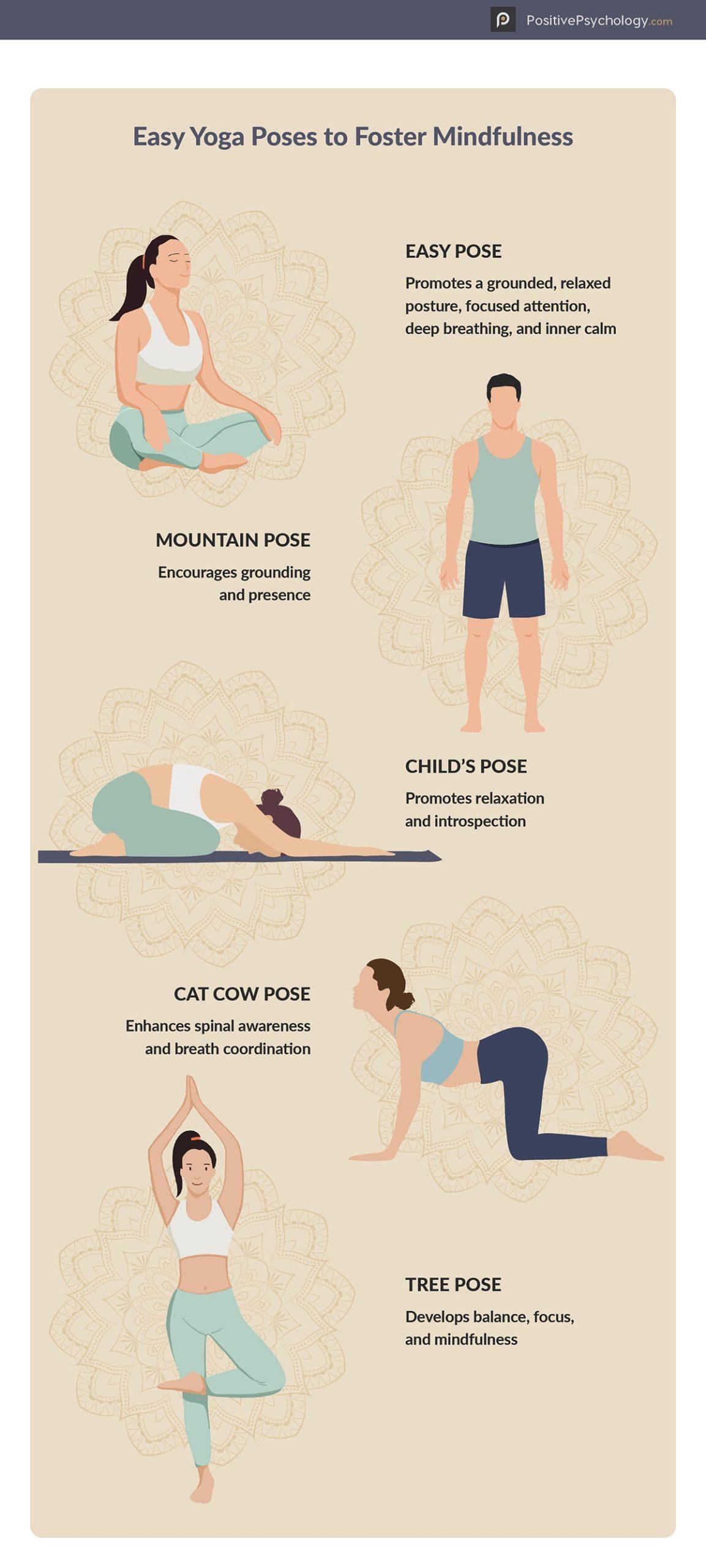
5. Mindful Movement and Yoga
- Use stretching or yoga breaks between lessons for stress relief
- Teach simple mindful movements that can be done from a desk
6. compassion Practices
- Facilitate “kindness circles” or gratitude sharing sessions
- Encourage students to set intentions for showing empathy and respect
Case Studies: Mindfulness Successfully Transforming Classrooms
Case Study 1: Mindfulness in Urban Elementary Schools
An elementary school in New York City integrated daily mindfulness activities into their curriculum. Teachers reported a significant decrease in classroom disruptions and a noticeable enhancement in students’ readiness to learn. The school saw a 30% drop in disciplinary actions over one academic year.
Case Study 2: Mindfulness Programs in High School Settings
A high school in California introduced a semester-long mindfulness course. Students participating in the program showed marked reductions in anxiety levels, improved test scores by an average of 12%, and described feeling “more in control” and “less stressed” during exam periods.
Case Study 3: Teacher-Led Mindfulness Initiatives
Teachers in a district-wide pilot in Texas formed a mindfulness support group, learning techniques and collaboratively introducing them to the classroom. Feedback highlighted increased teacher well-being, reduced burnout, and enhanced relationships with students.
First-Hand Experience: A Teacher’s Viewpoint
Sarah Martinez, a middle school educator, shares her journey with mindfulness in the classroom:
“I began with simple breathing exercises and was surprised by how quickly my students embraced them. within weeks, I noticed they were calmer and more focused. Mindfulness also helped me stay grounded through the demands of teaching, and the change was noticeable both in my own attitude and the classroom atmosphere.”
Tips for Successfully Implementing Mindfulness Practices
- Start Small and Build Consistency: Begin with short, simple mindfulness exercises and gradually increase their frequency in your routine.
- Offer choices: allow students to choose their preferred mindful practice, catering to their comfort and interests.
- Model Mindfulness: Practice techniques alongside students to foster trust and demonstrate authenticity.
- Create a Safe and Supportive Space: Encourage openness, make mindfulness optional, and respect boundaries.
- integrate with Existing Curriculum: Blend mindful moments into transitions, writing prompts, or physical education.
- Engage Parents and Community: Share resources and host workshops to extend mindfulness beyond the classroom.
Classroom Impact: Long-Term Benefits for Students and Teachers
as mindfulness becomes a cornerstone in schools, both immediate and enduring changes are evident. Some of the key classroom impacts include:
- Lower rates of student absenteeism due to improved emotional well-being
- Greater collaboration between students, fostering community and respect
- Reduced teacher stress and burnout, leading to higher retention rates
- Improved overall school climate and student engagement
- Heightened academic success and increased equity in learning outcomes
Conclusion
Mindfulness is revolutionizing education by addressing not only academic achievement but also the emotional and social facets of learning. From enhanced concentration and stress reduction to greater empathy and school-wide well-being, the benefits of mindfulness in education are both profound and wide-reaching. By adopting mindfulness strategies, educators can empower students to thrive both inside and outside the classroom. Whether you’re a teacher, administrator, or parent, now is the perfect time to explore how mindfulness enhances education—transforming lives one breath and one moment at a time.
Ready to bring the power of mindfulness to your school?
Explore additional resources, workshops, and mindfulness curriculums designed for modern classrooms—and make a lasting difference today!