
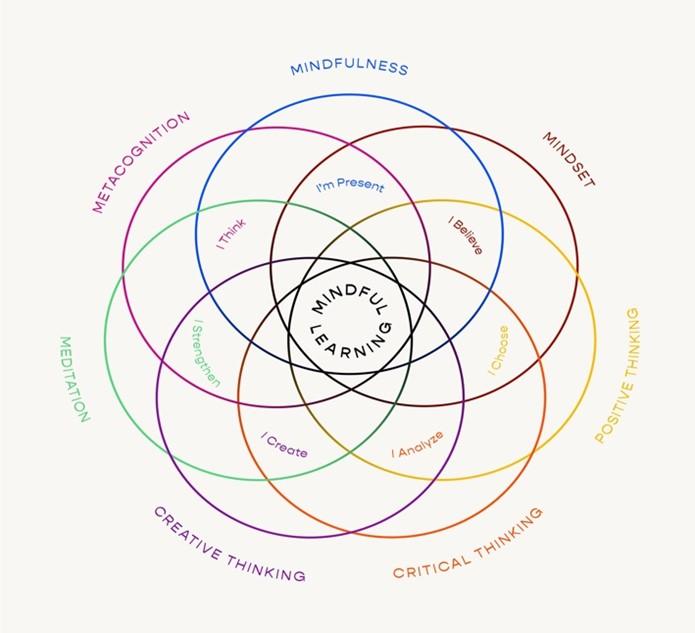
How Mindfulness Enhances Learning: The Key Role of Mindfulness in Education
Mindfulness has emerged as a transformative force in modern education, offering a pathway to improved focus, emotional regulation, and academic achievement. As more educators embrace mindfulness practices in classrooms, students are witnessing significant improvements not only in their learning abilities but also in their overall well-being. This comprehensive guide explores how mindfulness enhances learning, underscores the key role mindfulness plays in education, and provides practical strategies for bringing mindfulness into schools and educational settings.
What is Mindfulness?
Mindfulness is the practice of paying deliberate, non-judgmental attention to the present moment. Rooted in ancient contemplative traditions, it has gained traction in contemporary educational psychology as a method to foster self-awareness, reduce stress, and enhance cognitive functioning.
- Awareness: observing thoughts, feelings, and surroundings without judgment.
- attention: Anchoring focus on the present experience, even amidst distractions.
- Acceptance: Embracing experiences as they unfold, fostering openness and resilience.
The Science Behind Mindfulness in Education
Extensive research highlights the cognitive and emotional benefits of integrating mindfulness in education. Studies show that mindfulness practices bolster neural pathways responsible for attention, emotional regulation, and executive functioning—all essential skills for academic success.
- Neural Connectivity: Mindfulness meditation strengthens the prefrontal cortex, resulting in improved focus and decision-making.
- Reduced Stress: Regular mindfulness reduces cortisol levels, aiding in effective stress management for students.
- Emotional Well-being: Mindfulness cultivates empathy, self-compassion, and resilience, empowering students to navigate challenges confidently.
The Role of Mindfulness in Enhancing Learning
Understanding how mindfulness enhances learning begins with exploring the ways it influences a student’s cognitive processes, social interactions, and emotional health. Here are the core benefits:
-
Improved Concentration and Attention
Mindfulness training equips students with tools to manage distractions and focus deeply on tasks. Techniques such as mindful breathing and grounding activities develop sustained attention, crucial for effective learning.
-
Stress and Anxiety Reduction
Academic pressure and social dynamics often trigger stress in students. Mindfulness reduces anxiety by encouraging acceptance of thoughts and equipping learners with strategies to cope with overwhelming emotions.
-
Enhanced Memory Retention
By fostering present-moment awareness, mindfulness improves working memory and data retention, enabling students to recall and apply knowledge more efficiently.
-
Boosted Emotional Intelligence
Practicing mindfulness develops empathy, patience, and effective communication skills—essential qualities for collaboration and conflict resolution in educational environments.
-
Positive Classroom Culture
When implemented school-wide, mindfulness practices create a nurturing, inclusive culture where students and teachers feel safe, respected, and motivated to learn.
Case studies: Mindfulness in Schools
The following case studies illustrate the positive impact of mindfulness on learning and student well-being:
Case Study 1: MindUP Program
Implemented in hundreds of schools globally, the MindUP program blends neuroscience, positive psychology, and mindful awareness. Evaluations reveal improved academic performance, better emotional regulation, and a significant decrease in disciplinary incidents among participating students.
Case Study 2: Mindfulness-Based Stress Reduction (MBSR) for Teens
In a California high school, teenagers enrolled in an MBSR program reported lower anxiety and depression levels, as well as improved grades and test scores, compared to peers who did not participate.
Case Study 3: Inner Explorer in Elementary Schools
Elementary schools using the Inner Explorer digital mindfulness curriculum observed enhanced attention spans, increased kindness among students, and higher attendance rates across classrooms.
First-Hand Experience: Teachers and Students Speak
“Since introducing mindfulness morning routines, my classroom feels calmer and more focused. Students are not only better listeners but show more empathy and kindness towards each other.”
— Sarah M., Fourth Grade Teacher
“The breathing exercises help me when I’m nervous about exams. Mindfulness makes school a little less stressful and a lot more fun.”
— Bella,10th Grade Student
Practical Tips: How to Integrate Mindfulness into Education
Ready to foster a mindful classroom? Here are actionable strategies for educators and schools to effectively weave mindfulness into daily routines:
-
Start the Day with Mindful Breathing:
Allocate five minutes each morning for students to close their eyes,breathe deeply,and mentally prepare for learning.
-
Incorporate Short Mindfulness Breaks:
Introduce brief pauses during lessons for guided imagery,body scans,or reflective silence.
-
Model Mindfulness:
Teachers who practice mindfulness set a positive example. Share your mindfulness journey and encourage open conversation.
-
Leverage Technology:
Use mindfulness apps and online resources specially designed for students, such as Calm, Headspace, or Smiling Mind.
-
Create a Mindful Surroundings:
Design classroom spaces with calming colors, natural light, and mindfulness corners where students can practice on their own.
Tip: Consistency is key—make mindfulness a routine, not a one-off activity, to maximize its impact on learning and well-being.
Overcoming Challenges in Implementing Mindfulness in Education
Integrating mindfulness into education may face initial hurdles. Here’s how schools and teachers can address common concerns:
- Time Constraints: Embed mindfulness in transitions, such as after recess or before tests, to minimize disruptions.
- Skepticism: Share proven research and positive testimonials to foster buy-in among staff and parents.
- Training: invest in professional advancement workshops or partner with mindfulness experts to empower educators.
- Cultural Sensitivity: Acknowledge diverse backgrounds and offer secular, inclusive practices adaptable for all students.
conclusion: Mindfulness as a Catalyst for Holistic Learning
The transformative power of mindfulness in education cannot be overstated. Schools that prioritize mindfulness create environments where students thrive academically, emotionally, and socially. By making mindfulness an integral part of learning,educators equip students with the lifelong skills of focus,resilience,and self-compassion—preparing them to excel well beyond the classroom.
Whether you’re an educator, parent, or student, integrating mindfulness into educational settings fosters a brighter, more compassionate future.Start your mindfulness journey today and unlock the full potential of learning.