
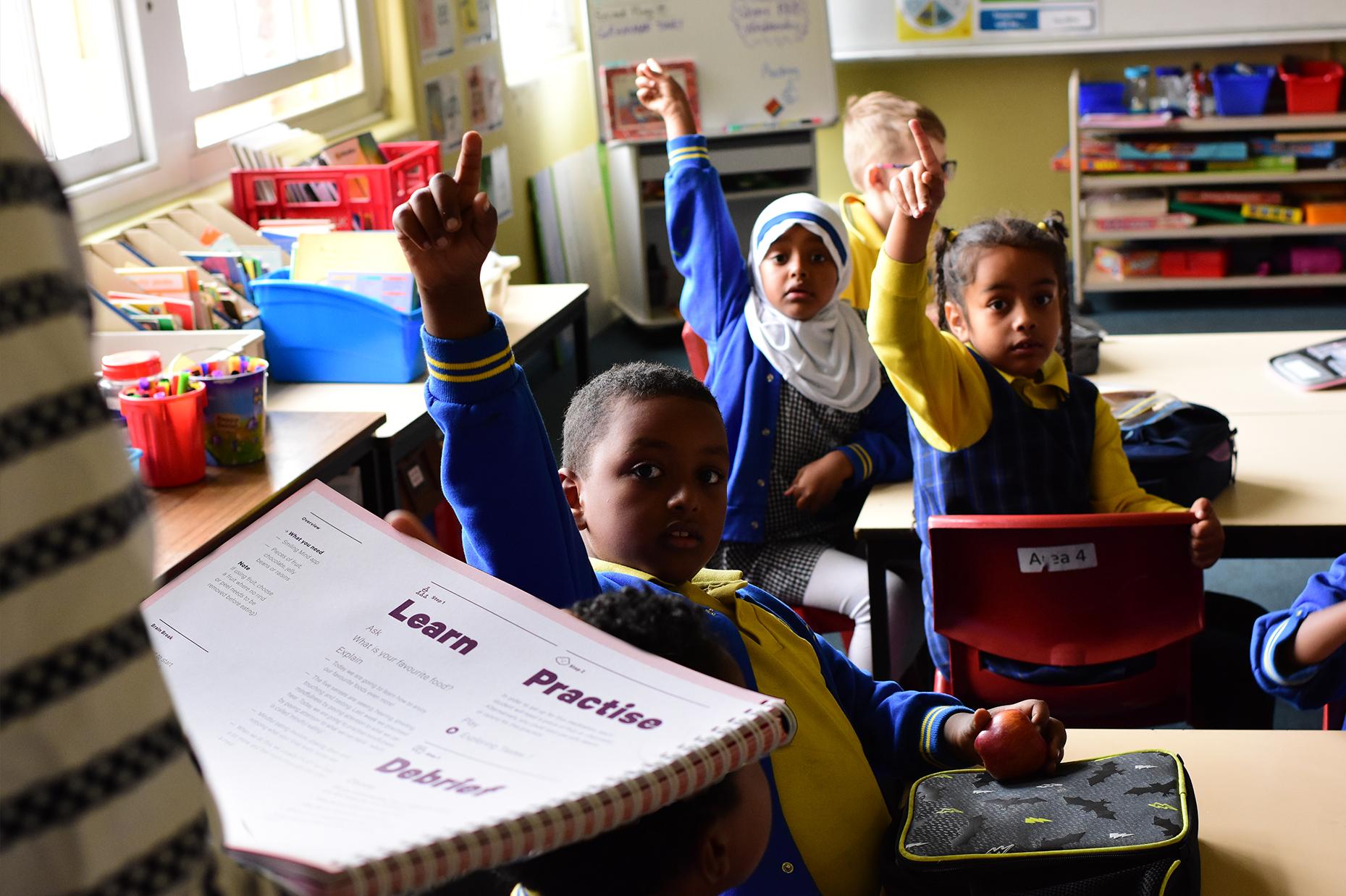
How Mindfulness is Transforming Education: Benefits and Best Practices
In today’s fast-paced world,students face an unprecedented amount of stress and distractions. As a response, educators are turning to mindfulness practices to create more focused, engaged, and emotionally resilient learning environments. but what exactly is mindfulness, and how is it revolutionizing education? In this article, we’ll explore the profound impact of mindfulness on teaching and learning, backed by research, and provide actionable tips for successfully integrating it into schools.
What is Mindfulness?
Mindfulness is the practice of paying focused, non-judgmental attention to the present moment. Rooted in ancient meditation traditions, mindfulness has gained popularity in modern psychology and education for its scientifically-proven benefits. Mindfulness in education involves teaching students and teachers to notice their thoughts, emotions, and bodily sensations without instantly reacting or becoming overwhelmed by them.
Why Mindfulness Matters in Today’s Classrooms
From smartphones to standardized tests,today’s students face mounting pressure and constant stimulation. Both teachers and students are reporting higher rates of anxiety, burnout, and disengagement. Integrating mindfulness techniques in education is emerging as a transformative approach to foster emotional intelligence, concentration, and overall well-being.
Top Benefits of Mindfulness in Education
Research and real-life case studies reveal a wide array of benefits associated with implementing mindfulness in schools. here’s what the latest studies and educators say:
- Improved Focus and Attention: Students who practice mindfulness show significant enhancement in their ability to concentrate during lessons and manage distractions.
- Reduced Stress and Anxiety: mindfulness activities lower stress hormones and help students regulate their emotional responses to challenges.
- Better Emotional Regulation: Practicing mindfulness supports students in recognizing and processing their emotions in healthy ways, leading to fewer behavioral issues.
- Enhanced Social-Emotional Learning (SEL): Mindfulness cultivates empathy, compassion, and positive relationships among peers.
- Boosted Academic Performance: Mindfulness contributes to optimal brain function, supporting greater retention, creativity, and problem-solving skills.
- Empowered Teachers: Mindfulness isn’t just for students; educators who use mindfulness report less burnout and greater job satisfaction.
Scientific Evidence: Mindfulness Research in education
Multiple studies,including those published in journals like Mindfulness and the Journal of Applied School Psychology,have demonstrated that mindfulness programs in schools can lead to:
- higher levels of student engagement and participation
- Decreased aggression and disruptive behaviors
- Improvements in reading and math scores
- Longevity of benefits,especially when integrated into daily routines
such as,a 2016 study by Schonert-Reichl et al. found that fourth- and fifth-grade students who participated in a mindfulness program reported less negative emotions, improved attention, and showed higher academic performance compared to control groups.
Best Practices for Integrating Mindfulness in the Classroom
Implementation of mindfulness doesn’t require overhauling the curriculum.These practical, simple techniques can be woven into the school day to make lasting changes:
1. Start with Short, Guided Practices
Begin with 3-5 minute sessions of mindful breathing or body scans. Use recorded audio or smartphone apps specifically designed for children and educators, like Headspace for Kids or Calm Schools.
2.Schedule Mindful Moments
- Incorporate mindfulness at predictable times, such as the start of the day, after recess, or before tests.
- Use transition times to refocus and ground students.
3. Create a Mindful Environment
- Designate a quiet corner or “peace area” in the classroom where students can practice calming techniques when needed.
- Display visual reminders (posters, mood meters) to encourage self-awareness and reflection.
4. model Mindfulness as an Educator
- Practice mindfulness yourself and share your experiences with students.
- respond to classroom challenges with mindful awareness to set a positive tone.
5.Integrate Mindfulness with Academic Content
- Use mindful listening during story time or class discussions.
- encourage mindful observation in science experiments and art projects.
6. Involve Parents and the school Community
- Offer mindfulness workshops for parents and staff.
- Share resources and guided practice exercises that families can use at home.
Real-Life Case Studies: Mindfulness in Action
Case Study 1: Mindfulness in an Urban Middle School
Lincoln Middle School in New York City adopted a school-wide mindfulness program in 2021. within the first semester, teachers reported:
- A 30% reduction in behavioral referrals
- Increased attendance rates
- Students using mindful breathing during stressful moments like tests and conflicts
Case Study 2: A Teacher’s First-Hand Experience
“Before integrating mindfulness activities, my students were restless and easily distracted. After months of daily breathing exercises and body scans, I’ve noticed a dramatic enhancement in their ability to settle down, listen deeply, and support one another. It’s been a game-changer for my classroom culture.” — Emily Foster, 4th Grade Teacher
Common Challenges and How to Overcome Them
- Student Resistance: Introduce mindfulness as a fun, non-judgmental exploration. use age-appropriate language and activities.
- Time Constraints: Integrate short practices into existing routines rather of adding new lessons.
- Consistency: Appoint “mindfulness ambassadors” or rotate duty among students to lead daily exercises.
- Lack of Training: Utilize free and paid resources (like Mindful Schools, Calm Educator Toolkit, or local professional growth workshops).
Recommended Mindfulness Resources for Educators
- Mindful Schools – Training and classroom resources
- The Garrison Institute – Research and conferences on contemplative education
- Headspace for Kids – Guided meditations and mindfulness activities
- Calm Schools Initiative – Free tools and tips for K-12 educators
Conclusion: The Future of Mindfulness in Education
As more schools embrace mindfulness in education, we are witnessing a paradigm shift from conventional, test-focused teaching to holistic, student-centered learning. Mindfulness is not just a passing trend; it’s a research-backed practice that enhances cognitive and emotional development for both students and teachers. By adopting mindful techniques and fostering a culture of presence and compassion, educators can prepare children not only for academic success, but for a lifetime of well-being and resilience.
Ready to begin your mindfulness journey? Start with small steps, stay consistent, and watch as your classroom transforms into a space where every child (and adult) can thrive and succeed. For further inspiration and classroom strategies, subscribe to our newsletter or explore our recommended mindfulness resources!