
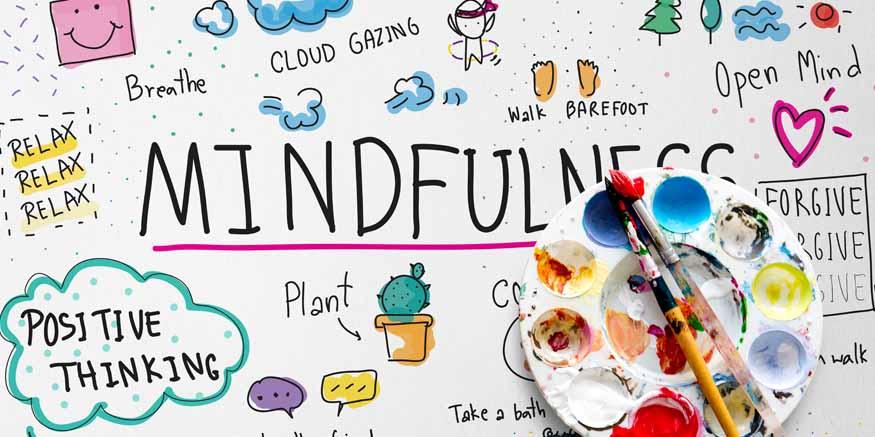
How Mindfulness is Transforming Education: Benefits for Students and teachers
The landscape of education is constantly evolving, with a growing focus on holistic student development and teacher wellbeing. In recent years, mindfulness in schools has gained significant attention as a powerful tool for enhancing learning experiences, reducing stress, and fostering emotional intelligence. But what exactly is mindfulness, and how is it transforming classrooms for students and teachers alike? In this complete guide, we’ll explore the profound impact of mindfulness in education, share research-backed benefits, and offer practical tips for integrating mindfulness practices into your daily school routine.
What is Mindfulness?
Mindfulness is the practice of being fully present and aware of your thoughts, feelings, and surroundings—with an attitude of openness and non-judgment. Originating from ancient meditation traditions, it has been adapted for modern settings and is now widely used in educational environments to support mental health and academic achievement.
Why Mindfulness in Education Matters
Traditionally, schools have focused on academic skills, but growing research reveals that social-emotional learning (SEL) is equally vital for lifelong success. Mindfulness practices for students and teachers not only address stress and mental health, but also build essential skills such as self-regulation, empathy, and resilience. By embedding mindfulness in education, schools support the whole child and create nurturing environments where teachers thrive to.
- Improved Concentration: Mindfulness helps students and teachers maintain focus during complex tasks.
- Greater Emotional Balance: Practices aid in emotional regulation, lessening anxiety and stress.
- Positive Classroom Climate: Mindful classrooms foster kindness, respect, and collaboration.
Benefits of Mindfulness for Students
1. Enhanced Focus and Academic Performance
One of the most immediate benefits of mindfulness is improved concentration. When students practice mindful breathing or guided meditation, research shows thay experience better attention spans, reduced impulsivity, and greater engagement with schoolwork. This leads to higher academic achievement and a more productive learning surroundings.
2. Emotional Regulation and Stress Reduction
Mindfulness techniques, such as body scans and reflection exercises, teach students to recognize and manage emotions like anxiety, frustration, or anger. Studies have consistently shown that regular mindfulness practice lowers levels of stress and depression among adolescents, contributing to healthier minds and happier school experiences.
3. Improved Social Skills and Relationships
By cultivating awareness and empathy, mindfulness enhances students’ ability to communicate respectfully, resolve conflicts, and build stronger relationships with peers. These soft skills are crucial for both personal development and collaborative learning.
4. Building resilience and Self-compassion
Facing academic pressures and social challenges can feel overwhelming. Mindfulness empowers students to respond to setbacks with kindness and persistence, fostering resilience and healthy self-esteem—qualities that extend far beyond the classroom.
Benefits of Mindfulness for Teachers
1.Reduced Teacher Burnout
Teaching can be stressful, often leading to burnout. Mindfulness provides teachers with tools to manage stress, increase emotional resilience, and restore energy. Schools report fewer sick days and higher job satisfaction among staff who regularly practice mindfulness.
2. Improved classroom Management
Mindful teachers are more attuned to classroom dynamics, responding thoughtfully to challenging behaviors.This creates a calm, respectful environment that supports effective teaching—and enhances the overall classroom climate.
3. Enhanced Wellbeing and Job Satisfaction
Incorporating mindfulness helps teachers feel more connected to their work, students, and colleagues. Studies indicate that teachers who practice mindfulness experience greater fulfillment and joy in their profession.
- Less stress and anxiety during the school year
- Stronger relationships with colleagues and students
- Better work-life balance
Case Studies: Mindfulness in Action
A California school District’s Success Story
In the Oakland Unified School District, implementing the “Mindful Schools” curriculum resulted in striking changes. after 6 months of regular practice:
- students showed a 62% improvement in attention and self-control
- Teachers reported less stress and improved classroom dynamics
Other districts across the US and UK have noted similar trends, with suspensions dropping and academic scores rising following the introduction of mindfulness programs.
First-Hand Experience: Teacher Perspectives
“Incorporating daily mindfulness activities has entirely changed the atmosphere in my classroom. Students are calmer, more respectful, and I feel less overwhelmed by challenges.”
– Emily R., Elementary School Teacher
“Mindfulness helped me reconnect with my sense of purpose as an educator. It’s something every teacher should experience.”
– Jason T., High School Math Teacher
Practical Tips: How to Integrate Mindfulness in the Classroom
Getting Started with Mindfulness Practices
Integrating mindfulness doesn’t require a complete overhaul of your curriculum or schedule. Start small, and build mindful moments into your daily classroom routine:
- Begin the day with a mindful check-in: Two minutes of deep breathing or expressing gratitude.
- guided meditation breaks: Use apps like Headspace, Calm, or Insight Timer for short sessions between subjects.
- Mindful movement: Incorporate yoga stretches or walking meditations during transitions.
- Reflective journaling: Encourage students to write about their feelings and observations at the end of the day.
- Teach mindful listening: Practice listening without interruption or judgment during discussions.
Tips for school-Wide Adoption
- Offer professional development in mindfulness for staff
- Partner with certified mindfulness trainers or organizations
- Create a dedicated time or space for mindfulness breaks
- Involve families and communities in mindfulness initiatives
Frequently Asked Questions About Mindfulness in Education
Does mindfulness take away from instructional time?
No. mindfulness activities are designed to be short, effective, and easily woven into lesson plans. Many schools report that mindful routines increase time on task and improve academic outcomes.
Is mindfulness secular?
Most school mindfulness programs are entirely secular, focusing on brain science and practical tools rather than spiritual traditions.
How can I measure the impact of mindfulness in my classroom?
Monitor changes in student behavior, attitudes, and academic performance. Consider using surveys, observation logs, or feedback forms to gather insights over time.
Conclusion: Embracing Mindfulness for Lasting Change
Mindfulness is more than a trend—it’s a transformative approach to modern education. By cultivating self-awareness, emotional intelligence, and resilience, both students and teachers thrive in an environment of mutual respect and curiosity. As research and real-life results demonstrate,integrating mindfulness in education creates lasting change,fostering a community where learning is joyful and every individual feels valued.
Ready to transform your school? Start by embracing mindful practices and watch the powerful ripple effects on stress, performance, and wellbeing. The future of education is not just smarter—it’s kinder, calmer, and more connected.