
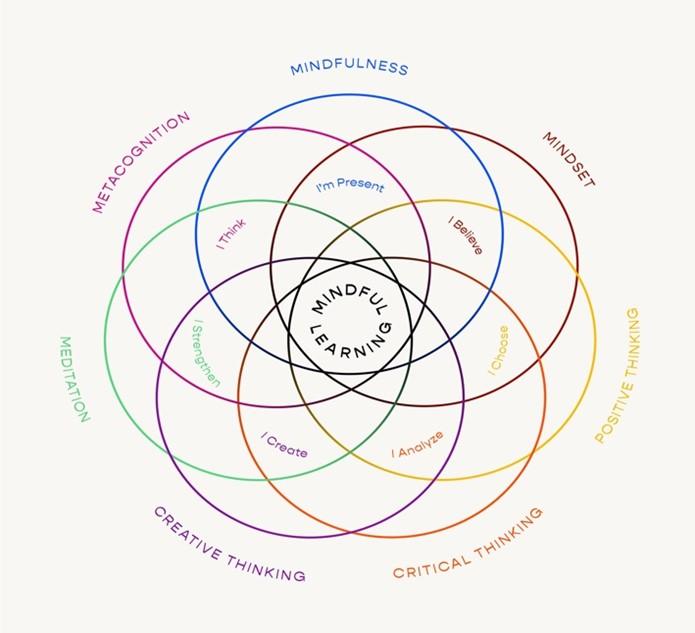
How Mindfulness Is Transforming Education: Benefits, Strategies, and Impact on Learning
In recent years, mindfulness in education has emerged as a powerful tool for enhancing academic performance, emotional well-being, and overall classroom climate. As educators and administrators search for innovative ways to address student stress, promote focus, and foster lifelong learning skills, mindfulness offers a science-backed solution that is reshaping the way we approach teaching and learning. In this article,we’ll dive deep into the benefits of mindfulness in the classroom,practical strategies to implement it,its influence on student outcomes,and inspiring case studies from schools around the globe.
What Is Mindfulness in Education?
Mindfulness is the practice of paying purposeful, non-judgmental attention to the present moment. In the context of education, mindfulness interventions teach students and educators techniques to become more aware of thoughts, feelings, and bodily sensations as they arise, cultivating a sense of calm and awareness. This approach is being integrated across all levels of education—from preschool to college—helping to create a more focused, compassionate, and resilient learning surroundings.
- Elementary schools use brief breathing practices to help children manage emotions.
- High schools embed mindfulness into social-emotional learning (SEL) curricula.
- Colleges offer mindfulness workshops to reduce student stress and anxiety.
Key Benefits of Mindfulness in Education
Integrating mindfulness practices in education yields a wide array of benefits backed by research:
- Enhanced Academic Performance: Studies show that students who practice mindfulness demonstrate improved memory, attention, and problem-solving skills.
- Reduced Stress and Anxiety: Mindfulness lowers cortisol levels and equips students with healthy coping mechanisms.
- Improved Emotional Regulation: Students learn to identify and manage emotions, reducing incidents of disruptive behaviour.
- Greater Empathy and Compassion: Mindfulness activities promote kindness, respect, and collaboration among peers.
- Better Classroom Climate: mindful classrooms become more positive, inclusive, and conducive to learning for all students.
“Mindfulness enables educators and students to cultivate the calm, focus, and resilience needed to thrive in a fast-paced, demanding world.”
– the Mindfulness in Education Network
practical Mindfulness Strategies for Educators
The good news is that mindfulness can be seamlessly incorporated into daily classroom routines without requiring major curriculum changes. Here are some simple strategies for teaching mindfulness in schools:
-
Mindful Breathing:
- Guide students through 1-2 minutes of deep, slow breathing at the start of class or before exams.
-
Body Scan Exercises:
- Help students tune into physical sensations and relax body tension from head to toe.
-
Mindful Listening:
- Circle time activities where students attentively listen to sounds in their environment, enhancing focus.
-
gratitude Journaling:
- Encourage students to write down or discuss three things they’re grateful for at the end of each day.
-
Guided imagery:
- Lead students through creativity exercises to help them relax and envision successful learning outcomes.
-
Brain Breaks:
- Short, mindful movement breaks during lessons can re-energize the class and support self-regulation.
The Impact of Mindfulness on Learning and Student Success
A growing body of research illustrates how mindfulness improves learning outcomes and supports whole-child development. Here’s how:
- improved Attention and Concentration: Mindful students display considerably greater focus,which translates into higher academic achievement.
- Better Test Performance: Reduced test anxiety and improved working memory help students perform to their fullest potential.
- Decreased Behavioral Issues: mindfulness interventions lower suspensions, detentions, and instances of classroom conflict.
- Increased Resilience and Adaptability: Students learn to recover quickly from setbacks and adapt to new learning challenges.
- Greater sense of Belonging and School Satisfaction: A mindful classroom environment fosters inclusivity, promoting a better overall school experiance.
Real-World Case Studies: Mindfulness Success Stories in Schools
Countless schools worldwide have pioneered mindfulness programs with measurable positive results. Here are a few inspiring examples:
this school introduced “Quiet Time,” a twice-daily mindfulness meditation session. Over a few years, suspension rates dropped by over 45%, attendance improved, and students reported feeling happier and more focused.
Incorporating mindfulness and meditation into daily routines led to higher exam scores and improved emotional regulation among students. Educators noticed a more positive school culture and less bullying.
Adopted by thousands of schools, this evidence-based mindfulness curriculum has resulted in better classroom behavior, reduced emotional outbursts, and improvements in students’ executive function skills.
Tips for Getting Started With Mindfulness in Your School
- Start Small: Even a few minutes of daily mindfulness can make a meaningful impact.
- Seek Training: Professional development workshops and online courses can equip educators with confidence and practical tools.
- Create a Dedicated Space: Designate a “mindful corner” in your classroom where students can regroup and practice calming techniques.
- Engage Families: Educate parents about the benefits of mindfulness and suggest simple practices to reinforce at home.
- measure Progress: Track behavioral, academic, and social-emotional changes to demonstrate the value of your mindfulness program.
First-Hand Experience: Voices from the Classroom
“Before introducing mindfulness, my students struggled with transitions and focus. Now, a few mindful breaths help us reset, and I see them using these strategies independently.”
– Ms. Riley, 4th Grade Teacher
“I was skeptical at first, but after practicing mindfulness, my test anxiety dropped. I’m more confident and less overwhelmed in class.”
– Xavier M., High School Student
Conclusion: Embracing Mindfulness in Education for Lifelong success
As education systems continue to evolve in response to the unique challenges of our times, mindfulness in schools offers a proven pathway to nurturing well-rounded, resilient, and happy learners. The evidence is clear: mindfulness transforms education by improving academic performance, emotional regulation, classroom dynamics, and overall well-being for both students and educators. By embracing mindfulness practices in education, we’re not just preparing students for tests—we’re preparing them for life.
Start small, stay consistent, and witness how mindful learning can create a transformative ripple effect throughout your educational community.