
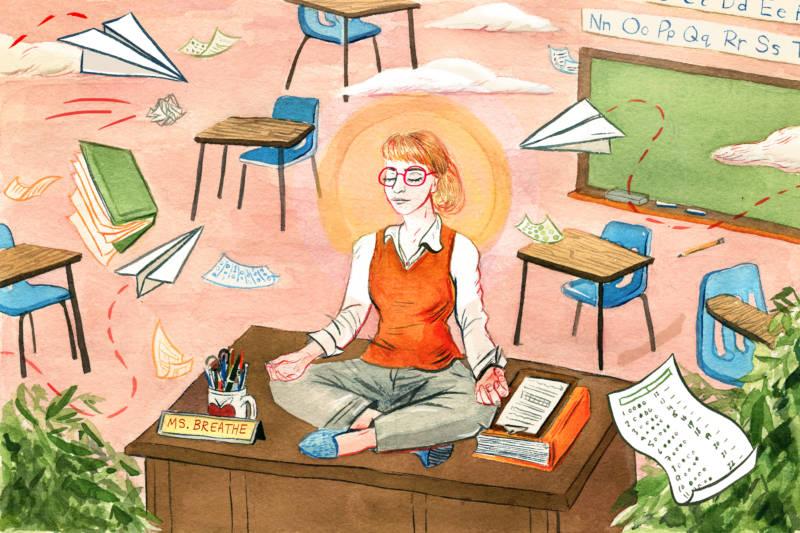
How Mindfulness is Transforming education: The Role and Benefits in Today’s Classrooms
In recent years, mindfulness in education has emerged as a transformative force, reshaping how teachers engage with students and how learners interact with their environment. As classrooms become increasingly complex, educators are turning to mindfulness practices to improve student focus, emotional regulation, and overall well-being. This article explores the role of mindfulness in classrooms, its far-reaching benefits, and the practical ways teachers can implement these techniques to foster a nurturing and dynamic learning environment.
What is Mindfulness in Education?
Mindfulness refers to the practice of paying attention to the present moment with intention and without judgment.In the context of education,mindfulness practices in classrooms help students and teachers become aware of their thoughts,emotions,and surroundings,fostering a calm and focused learning atmosphere. Rooted in ancient contemplative traditions, mindfulness is now supported by contemporary psychological research and increasingly adopted in schools across the globe.
The Growing Importance of Mindfulness in Today’s Classrooms
With rising cases of stress, anxiety, and distraction among students, educators are seeking effective approaches to promote mental wellness.Integrating mindfulness techniques in education addresses pressing classroom challenges, such as behavioral issues, low attention spans, and emotional dysregulation. forward-thinking schools recognize that nurturing both academic and emotional intelligence creates a foundation for lifetime success.
Key Benefits of Mindfulness in the Classroom
Employing mindfulness activities in education yields a range of advantages for students and teachers alike. Here are the primary benefits:
- Improved Focus and Concentration: Regular mindfulness exercises help students tune out distractions and engage fully in their learning tasks.
- enhanced Emotional Regulation: Mindfulness teaches students to notice and manage their emotions, reducing impulsivity and reactivity.
- Reduced Stress & Anxiety: Techniques such as mindful breathing and guided meditation have been shown to lower anxiety levels among students and teachers alike.
- Greater Academic Performance: A calm and attentive mind fosters better memory retention, critical thinking, and problem-solving skills.
- Better Social Skills & Empathy: Mindfulness practices encourage compassion, cooperation, and improved relationships between peers.
- Teacher Well-being: Mindfulness isn’t just for students—it also reduces teacher burnout and increases classroom patience and positivity.
How Mindfulness is Transforming Education: Real-World Impact
Case Study 1: Integrating Mindfulness in Elementary Schools
In a California elementary school, teachers introduced daily mindfulness activities—such as deep-breathing exercises and brief meditations—at the start of every morning. Within three months, educators reported a remarkable decline in behavioral incidents and a steady enhancement in classroom engagement. Students showed higher empathy and lower test anxiety, fostering a more inclusive and productive learning atmosphere.
Case Study 2: Mindfulness for High School Students
A Rhode Island high school piloted a mindfulness program in its freshman curriculum.Through journaling, yoga, and mindful listening, students gained coping mechanisms for exam stress and peer pressure. The school saw a 20% reduction in absenteeism and disciplinary actions,substantiating the positive impact of mindfulness on teenage mental health and academic outcomes.
Teacher Testimonial
“Incorporating mindfulness into my classroom has been life-changing for me and my students. The transition periods are smoother, students listen more attentively, and the general atmosphere is more harmonious. I see a visible difference in how students treat each other and manage challenges.”
— Ms. Linda Avery,Grade 5 Teacher
Practical Tips for Integrating Mindfulness in the Classroom
Introducing mindfulness doesn’t require hours of training or a radical curriculum overhaul. Here are a few actionable steps educators can take to incorporate mindfulness in their daily routines:
- Start with Short Mindful Moments: Begin each class with two minutes of deep breathing or silent reflection to help students settle and focus.
- Guided Visualizations: Use short, guided imagery sessions to promote relaxation and mental clarity.
- Mindful Listening Activities: Encourage students to actively listen to each other’s thoughts and feelings, building stronger community ties.
- Incorporate Mindfulness Apps and Resources: Platforms like Headspace for Educators or Calm Classroom provide ready-made mindfulness lessons suitable for different age groups.
- Model Mindfulness: Teachers who practice mindfulness themselves can model calm behavior and emotional regulation for their students.
- Encourage Mindful Transitions: use bells or chimes to signal transitions and remind students to reset their attention.
- Journaling and Self-Reflection: Allow time for students to write about their feelings, successes, and challenges at the end of each week.
Mindfulness and Digital Learning: Adapting Practices for online Classrooms
The shift toward digital learning environments affords new opportunities and challenges. Virtual classrooms can be busy and distracting, making the need for mindfulness even more pronounced. Teachers in online settings can incorporate:
- Scheduled mindful Pauses: Integrate short mindfulness breaks during longer virtual lessons to help students refresh their focus.
- Virtual Mindful Movement: Simple stretches and guided mindful movement exercises work well, even in remote settings.
- Digital Mindfulness Tools: Utilize videos, audio tracks, and interactive mindfulness apps to enhance learning and engagement.
Overcoming Challenges: Ensuring Success in Mindfulness Education
While the advantages of mindfulness in education are clear, challenges can arise during implementation, such as skepticism from school communities or lack of support. Key recommendations for sustained success include:
- Professional Progress: Offer regular training sessions and workshops for teachers on mindfulness strategies and their scientific basis.
- Inclusive Approach: Present mindfulness as a universal skill, not tied to religious or cultural beliefs, making it accessible for all students.
- Measure and Adapt: Gather feedback from students and teachers, and adapt mindfulness practices to suit unique classroom needs.
FAQs: Mindfulness in Education
- Is mindfulness suitable for all age groups?
Yes. Mindfulness practices can be adapted for young children, teens, and adults, making them suitable for all grade levels.
- Do mindfulness practices require special training?
While formal training can be helpful, teachers can start with simple activities and gradually expand their repertoire through online courses and resources.
- How can parents support mindfulness at home?
Parents can reinforce mindfulness by practicing together, reading about it, and sharing mindful activities like gratitude journaling or nature walks.
Conclusion: The Future of Mindfulness in Education
As evidence mounts for the positive effects of mindfulness,it’s clear that this transformative approach is here to stay. Mindfulness is not just a trend; it’s a foundational skill essential for success in our fast-paced, ever-changing world. By cultivating focus, resilience, and empathy, mindfulness empowers students and educators alike to thrive academically and emotionally. Schools that embrace these techniques are investing not only in improved test scores but in the lifelong well-being and happiness of their students.
Ready to bring mindfulness to your classroom? Start small,be consistent,and watch as your students develop the skills for strong minds and compassionate hearts,both now and in the years to come.