
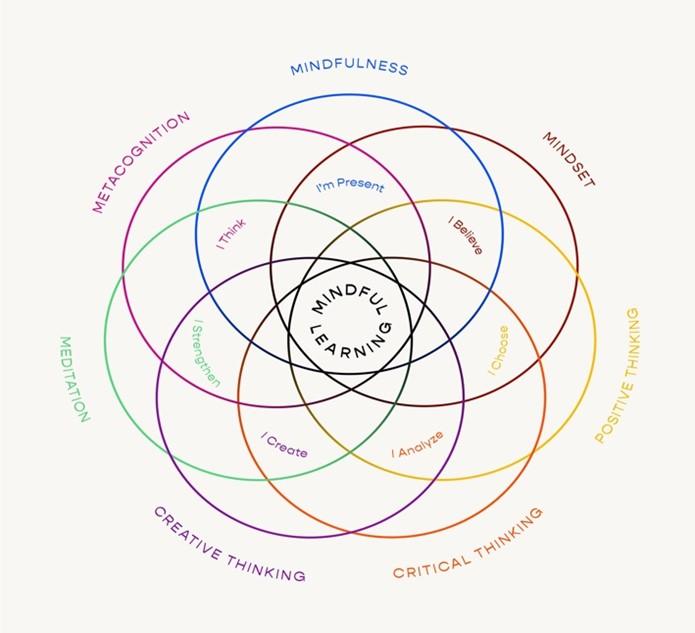
How Mindfulness Transforms Education: Benefits, Strategies, and Classroom Impact
Keywords: mindfulness in education, mindfulness benefits, classroom mindfulness strategies, mindful teaching, student well-being, social-emotional learning, teacher stress management, mindful classroom activities
Introduction
The educational landscape is rapidly evolving, and amidst this transformation, one practice stands out for its profound impact: mindfulness in education. More than just a trending buzzword,mindfulness—a focused awareness guided by present-moment attention—has become an essential tool for fostering student well-being,enhancing learning outcomes,and creating harmonious classroom environments. In this thorough guide, we delve into how mindfulness transforms education, exploring its key benefits, strategies, and real-world classroom impact.
What Is Mindfulness in Education?
Mindfulness in education refers too the integration of mindful practices within teaching and learning settings. This includes techniques like guided meditation, breathing exercises, and mindful reflection, encouraging students and teachers alike to stay present and engaged. The goal is not just academic success, but holistic development—nurturing emotional intelligence, resilience, and a deeper love for learning.
Benefits of Mindfulness in Education
- Enhanced focus and attention — Students experience improved concentration and are less likely to be distracted.
- Reduced stress and anxiety — Mindfulness practices help manage emotional challenges and cultivate calmness.
- Improved behavior and relationships — Greater self-awareness leads to better social interactions and conflict resolution.
- Boosted academic performance — By fostering a positive classroom atmosphere, students are more engaged and motivated to learn.
- Better teacher well-being — Mindful teachers report less burnout and higher job satisfaction.
scientific Evidence Supporting Mindfulness in Schools
Research consistently highlights the positive effects of classroom mindfulness strategies. Studies published in journals like Child Development and Mindfulness demonstrate that students who regularly participate in mindful exercises show notable improvements in emotional regulation, attention spans, and classroom behavior. Schools adopting mindfulness report fewer disciplinary incidents and increased overall student satisfaction.
Effective Mindfulness Strategies for the Classroom
Implementing mindfulness doesn’t require a complete curriculum overhaul. Simple, practical mindfulness activities can foster a mindful classroom culture. Here are some tried-and-tested approaches:
Fast Mindfulness practices for Students
- Breathing Breaks: Guide students through deep, focused breaths for one minute to reset attention.
- Body Scan: Briefly check in with physical sensations—from head to toe—for calm and self-awareness.
- Mindful Listening: Use sounds (like classroom chimes) to anchor attention and heighten focus.
- Gratitude Journaling: Encourage students to write down things they appreciate, nurturing positive mindsets.
- Silent Reflection: Allocate quiet time for mindful observation or processing emotions before lessons.
Mindful Teaching Strategies
- Start with presence: Begin lessons with a short mindfulness exercise to center the class.
- Integrate Social-Emotional Learning: Connect academic content with emotional intelligence activities.
- Model Mindfulness: Teachers practice self-awareness and calmly respond to classroom stresses.
- Collaborative Pause: Use mindful pauses during group work or transitions to reduce chaos and improve teamwork.
Mindfulness Activities for Different Age Groups
| Age Group | Activity | description |
|---|---|---|
| Elementary | Mindful Coloring | Children color while focusing on patterns, breathing deeply, and relaxing. |
| middle School | Guided Visualization | Students listen to guided imagery fostering imagination and inner calm. |
| High School | Journaling & Reflection | Older students journal about thoughts, emotions, or gratitude in a mindful way. |
| Teachers | Mindful Self-Compassion | Educators engage in exercises to be present, reduce stress, and avoid burnout. |
Case Studies: The Impact of Mindfulness on Classroom Dynamics
Across the globe, schools are witnessing the transformative power of mindfulness in real time. Here are a few examples:
- urban elementary School, California: After implementing daily breathing breaks, teachers observed a 30% drop in classroom disruptions and increased student engagement.
- London Secondary School: Students participating in a semester-long mindfulness program reported improved relationships and empathy towards classmates,with fewer bullying incidents.
- Australian K-12 School: Mindfulness-based social-emotional learning led to higher academic scores and notable gains in emotional resilience among students.
These real-world results underscore the immense value of integrating mindful practices into everyday education.
First-Hand Experiences: Teachers and Students Speak Out
“mindfulness helped me manage classroom stress and foster more compassionate interactions. My students are calmer and learning more effectively.”
— Rebecca, Middle School Science Teacher
Students reflect:
“Doing mindfulness before math makes me feel less anxious and helps me concentrate more. I wish we could do it in other classes too!”
— Jamal, grade 7
Tips for Successfully Introducing Mindfulness in the Classroom
- Start small: Integrate brief mindfulness moments—no need for lengthy sessions at the outset.
- be consistent: Regular practice is key to seeing results in attention, behavior, and stress reduction.
- Use technology wisely: Leverage apps and online resources to guide mindful exercises.
- Create a supportive environment: Celebrate progress, encourage participation, and respect differences in responses.
- Connect with parents: Share the benefits of mindfulness and suggest simple practices for home.
Addressing Common Challenges
- Initial resistance: Both teachers and students may be skeptical. Keep activities light and stress the science-backed benefits.
- time constraints: Mindfulness can fit into existing schedules—three-minute breathing or gratitude exercises go a long way.
- Meeting diverse needs: Adapt mindfulness activities for different learning styles and backgrounds.
Integrating Mindfulness with Social-Emotional Learning (SEL)
Mindfulness and social-emotional learning (SEL) are natural partners. While SEL focuses on building emotional and interpersonal skills, mindfulness lays the foundation for self-awareness and emotional management. By combining mindfulness with SEL curriculum, educators experience even greater improvements in classroom climate, cooperation, and student motivation.
Practical Resources for Mindful Educators
- Mindful Schools – Online courses and resources for educators and students
- Calm App – guided mindfulness exercises for all ages
- Headspace for Educators – Free mindfulness resources tailored to school settings
- The Greater Good Science Center – Research, worksheets, and lesson plans
conclusion
The power of mindfulness in education lies in its ability to transform not just academic outcomes, but the very fabric of classroom life. With improved focus, reduced stress, enriched relationships, and stronger teacher well-being, mindful practices offer benefits for everyone involved. Whether you’re a teacher, administrator, or parent, embracing mindfulness strategies can truly revolutionize the learning journey—fostering resilient, compassionate, and confident students prepared for a brighter future.
Integrate these practical tips and proven strategies, and watch your classroom become a dynamic space of growth, empathy, and discovery—one mindful moment at a time.
Interested in more ways to empower your students? Explore our latest articles on classroom mindfulness strategies and educational innovation!