
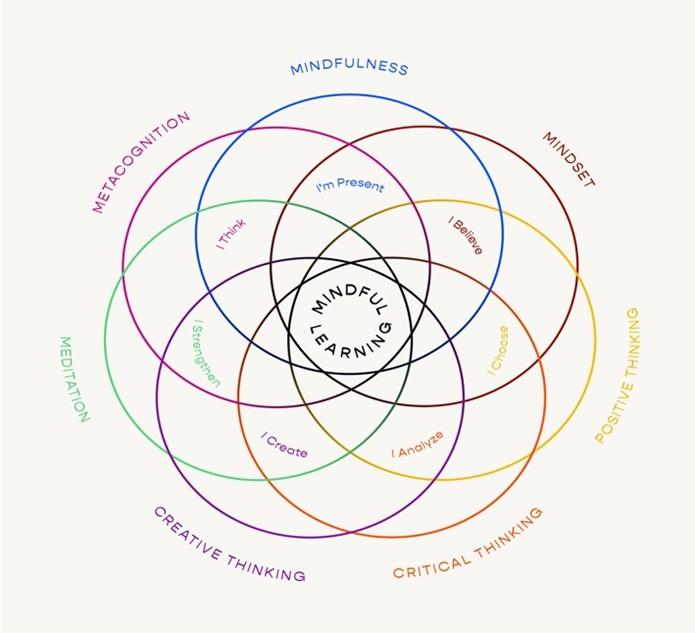
How Mindfulness Transforms Education: Benefits, Strategies, and Student Success
In today’s fast-paced and distraction-filled world, students frequently enough face rising stress, anxiety, and distraction levels. but what if there was a simple, science-backed tool that could help increase focus, emotional balance, and academic performance? Enter mindfulness in education. From elementary classrooms to higher education, mindfulness is transforming how students learn and teachers teach. In this article,we’ll explore the powerful benefits of mindfulness in education,practical strategies for implementation,and real-life examples of improved student success.
what Is Mindfulness in Education?
Mindfulness is the practice of paying purposeful, non-judgmental attention to the present moment. In an educational context, it involves teaching students and educators techniques to develop greater awareness, regulate emotions, and manage stress.
- Breathing exercises
- Guided meditation
- Body scans
- Mindful movement (e.g., yoga or walking)
- Reflection and journaling
Integrating these practices into the classroom has the potential to build more resilient, focused, and emotionally bright learners.
The Benefits of Mindfulness in Education
Implementing mindfulness strategies in schools yields profound, research-backed advantages for both students and educators. Here’s how mindfulness transforms education:
1. Reduces Stress and Anxiety
Regular mindfulness practice helps students recognise anxious thoughts, reduces reactivity, and teaches them to respond with calmness. Studies show lower rates of anxiety and depression in students who engage in mindfulness programs.
2. Improves Focus and Concentration
With mindfulness, students learn to tune out distractions and sustain attention—essential skills for academic achievement. Research highlights significant improvements in working memory and cognitive performance.
3. Fosters Emotional Intelligence
Mindfulness cultivates greater self-awareness, empathy, and emotional regulation. Students become better equipped to navigate peer relationships, manage conflicts, and respond empathetically.
4. Enhances Academic Results
Schools that incorporate mindfulness frequently report higher test scores and improved classroom engagement.By decreasing distractions and improving cognitive control, students grasp concepts quicker and retain knowledge longer.
5. Supports Teacher Well-being
Mindfulness isn’t just for students—teachers who practice mindfulness experience reduced burnout, improved job satisfaction, and a more positive classroom climate.
- 50% reduction in teacher stress (Source: Mindful Schools, 2022)
- Decreased classroom disruptions
- Improved teacher-student relationships
Proven Mindfulness Strategies for the Classroom
bringing mindfulness into educational settings doesn’t have to be elaborate. With a few simple techniques, teachers can make a big difference in classroom culture and student achievement.
Simple Mindfulness exercises for Students
- Mindful breathing: Begin each day or lesson with 2-3 minutes of deep, intentional breathing.
- Body Scan: Guide students through a quick check-in with their bodies, noticing sensations from head to toe.
- Gratitude Journals: Encourage students to write down three things they are grateful for each morning or at the end of the day.
- Mindful Movement: Incorporate gentle stretching or mindful walking breaks between lessons.
- Sound Meditation: Have students focus on the sound of a bell or chime,noticing when the sound fades away.
Tips for Teachers Introducing Mindfulness
- Lead by Example: Practice mindfulness yourself and openly share experiences with students.
- start Small: Integrate brief mindful moments rather than lengthy sessions, especially for beginners.
- Be consistent: Make mindfulness a regular part of the classroom routine, even if only for a few minutes daily.
- Create a Safe Surroundings: Emphasize that mindfulness is about self-acceptance, and all emotions are welcome.
- Use Guided Resources: Take advantage of mindfulness apps, audio recordings, or curriculum (e.g., mindful Schools, Headspace for Educators).
Case Studies: Mindfulness transforming Student Success
Many schools worldwide are reaping the rewards of mindfulness education. Here are some real-life examples:
Momentous Institute, Dallas, TX
After implementing daily mindfulness routines, this elementary school saw significant reductions in suspension rates, improved reading scores, and increased overall student happiness.
Visitacion Valley Middle School,San Francisco
A school in a high-crime neighborhood introduced twice-daily mindfulness sessions. Over four years, the school reported a 45% reduction in absenteeism and dramatic drops in discipline referrals.
Personal Story: Mindfulness Impact on Student Confidence
“As a formerly anxious student, mindfulness techniques like breathing exercises and morning meditations helped me focus and reduced my test-day jitters. I felt more in control and ready to learn.”
— Emily, High School Senior
Overcoming Challenges in mindfulness implementation
While the benefits of mindfulness in education are substantial, there are potential challenges to address:
- Initial skepticism from staff or parents. Solution: Share research and success stories.
- Time constraints in an already packed curriculum. Solution: Integrate short, simple practices within existing routines.
- Lack of training for teachers. solution: Invest in professional growth or access freely available online resources.
- Inconsistent practice leads to reduced effectiveness. Solution: Prioritize regularity over session length.
Integrating Mindfulness into School Culture
For mindfulness to truly transform education, it should be embraced throughout the school community—not just in isolated pockets. Here’s how schools can build a mindful culture:
- Leadership support: School leaders model and prioritize mindfulness values.
- Professional development: Offer all staff ongoing mindfulness training opportunities.
- Dedicated spaces: Create calming areas or “reset rooms” where students and staff can practice mindfulness.
- Family engagement: Educate parents on the benefits of mindfulness, offering workshops or informational sessions.
- Continuous evaluation: Gather feedback, measure outcomes, and celebrate progress.
Conclusion: The Future of Mindfulness in Education
Mindfulness is more than just a trend—it’s a powerful tool reshaping classrooms for the better. By reducing stress, improving focus, nurturing emotional intelligence, and enhancing academic outcomes, mindfulness has a profound, lasting impact on student and teacher success.
As more schools recognize the importance of social-emotional learning and well-being, mindfulness in education will only grow in influence. With a few simple strategies, educators can foster more resilient, compassionate, and high-achieving learners—helping students thrive both inside and outside the classroom.
Ready to bring mindfulness to your school? Start with small steps, stay consistent, and watch as your educational community flourishes—one mindful breath at a time.