
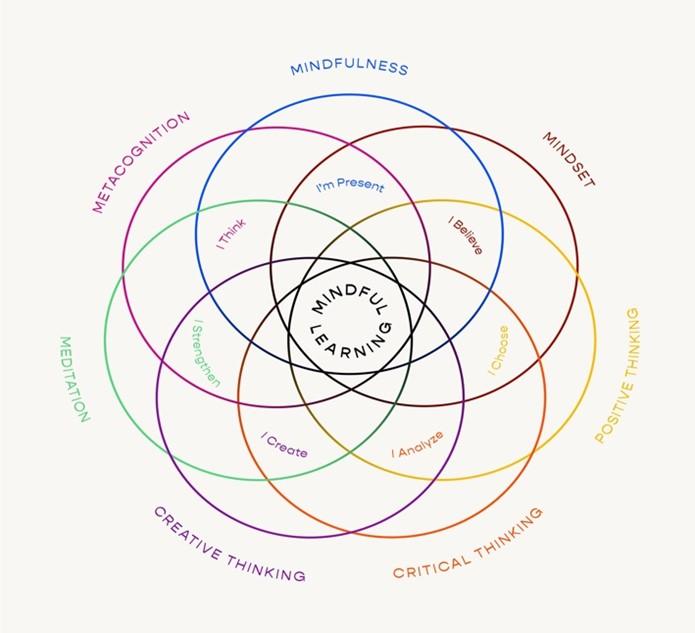
How Mindfulness Transforms Education: The Key Benefits for Students and Teachers
In today’s fast-paced and often stressful educational environments, both students and teachers are searching for ways to navigate challenges, manage emotions, and foster lasting academic and personal growth. Enter mindfulness in education—a powerful practice that can nurture focus,emotional intelligence,and resilience for everyone in the classroom.This article explores how mindfulness transforms education,revealing key benefits for both students and teachers,sharing research insights,and offering actionable strategies for implementation.
What is Mindfulness in Education?
mindfulness, at its core, is the practice of bringing one’s full attention to the present moment—without judgment or distraction. When we apply mindfulness practices in education, we encourage students and teachers to tune into their thoughts, feelings, and surroundings. Mindfulness can be woven into classroom routines through techniques such as:
- Guided breathing exercises
- Short meditation sessions before lessons
- Mindful listening activities
- Gratitude journaling
- Body scans for stress reduction
Over recent years, research has increasingly proven the value of mindfulness in schools for enhancing both cognitive and emotional outcomes.
Top Benefits of Mindfulness for Students
1. Improved Focus and Concentration
Attention can be a scarce resource in today’s digital age, especially for children and teenagers. regular mindfulness exercises train the brain’s ability to sustain focus, filter distractions, and absorb new data.This translates into better academic performance and greater satisfaction with learning.
- Studies show mindfulness meditation boosts working memory and attention span.
- Students report being able to concentrate longer during tasks and tests.
2.Enhanced Emotional Regulation
Young people must navigate a spectrum of emotions, from excitement and joy to anxiety and frustration. Mindfulness empowers students to notice, name, and manage their emotions in healthy ways.
- Lowered levels of stress and anxiety
- Reduced incidents of anger or emotional outbursts
3. Boosted Resilience and Well-Being
Mindful students are better equipped to handle setbacks, challenging assignments, and social pressures.Practicing mindfulness creates a buffer against burnout and fosters a positive, growth-focused mindset.
4. Increased Empathy and Social Skills
Mindfulness doesn’t just help individuals—it strengthens classroom communities. When students are attuned to their own feelings, they become more empathetic towards peers, enhancing collaboration and reducing bullying.
Key benefits of Mindfulness for Teachers
1. Reduced Teacher Stress and Burnout
Teaching is a demanding profession, and chronic stress can lead to burnout. Mindfulness for teachers offers practical tools to protect their mental health.
- Decreased symptoms of stress, anxiety, and depression
- increased enjoyment and satisfaction in teaching
- Reduced risk of professional burnout
2.Enhanced Emotional Regulation in the Classroom
Mindful educators can better respond to challenging student behaviors with patience and understanding, rather than frustration.
- Improved classroom management
- Greater emotional balance even in difficult situations
3.Better Teacher-Student Relationships
Mindfulness fosters authentic, compassionate relationships between teachers and students.Teachers report feeling more connected, which in turn enhances trust and cooperation in the classroom.
Scientific Evidence: Research on Mindfulness in Education
- A study at the University of California, Davis found students who practiced mindfulness showed considerably greater improvements in psychological well-being and academic achievement.
- Research from the Journal of School Psychology concluded that mindfulness programs reduce test anxiety, increase social skills, and boost self-regulation in youth.
- The MindUp Program, implemented in schools worldwide, demonstrates measurable drops in student aggression and improvements in student-teacher relationships.
These findings underscore that mindfulness transforms education, not just theoretically, but in real, measurable ways.
Real-Life Experiences: Teachers and Students Share
“Since introducing five-minute mindfulness moments, my students come back from recess more settled and open to learning. It has changed our classroom climate.”
—Emily R., Elementary School Teacher
“I used to get anxious before tests.Now I do belly breathing—it helps me calm down and do better on my work.”
—Sofia T., 8th Grade Student
Practical Tips: How to Bring Mindfulness to Your Classroom
- start small: Introduce 2-5 minute breathing or mindfulness activities at the beginning or end of the day.
- Create a calm space: Set aside a corner in the classroom for quiet reflection or mindful breaks.
- Model mindfulness: Teachers should participate in practices alongside their students to normalize the routine and show its value.
- Use guided resources: Explore free mindfulness apps or YouTube channels designed for students and teachers.
- Integrate into curriculum: Connect mindfulness activities with subjects like literature, science, or health for deeper engagement.
Consistency is key—just a few minutes of daily mindfulness can yield lasting benefits.
Conclusion: Embracing Mindfulness in Education
Mindfulness isn’t simply a trend—it’s a transformative approach that can help students and teachers thrive in today’s educational landscape.By fostering better focus, emotional stability, and resilience, mindfulness in education unlocks the door to happier classrooms and academic success. Whether you’re a teacher, a parent, or an educational leader, now is the time to explore and embrace mindfulness as a key pillar of your school’s well-being strategy.
If you’re ready to get started, begin with small, consistent practices and watch as your classroom begins to flourish—one mindful moment at a time.