
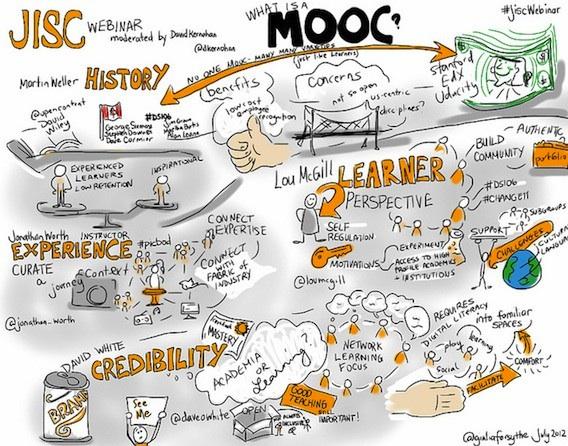
How MOOCs Are Revolutionizing Lifelong Learning: Benefits, Challenges, and Impact
In today’s rapidly evolving world, the demand for continued education and skill development is higher than ever.
Lifelong learning has become a cornerstone of professional success and personal growth. Among the most important
innovations in modern education is the rise of Massive Open Online Courses (MOOCs), which have dramatically
changed the landscape of learning worldwide. Whether you’re a student, professional, or hobbyist, MOOCs offer unprecedented
access to high-quality education from top universities and organizations—right at your fingertips.
- What Are MOOCs?
- Major Benefits of MOOCs for Lifelong Learners
- Real-World Impact & Case Studies
- Challenges and Limitations of MOOCs
- Practical Tips for Maximizing Your MOOC Experience
- Conclusion: The future of Learning
What Are MOOCs?
MOOCs, or Massive Open Online Courses, are online courses designed to support unlimited participation and open access
via the Internet. Developed by leading institutions like Coursera, edX, Udemy, and FutureLearn, these platforms offer diverse
learning opportunities across fields such as data science, business management, the arts, language learning, software development,
and more. MOOCs frequently enough provide video lectures, reading materials, quizzes, community forums, and sometimes, certificates upon completion.
- Versatility: Learn anytime, anywhere, at your own pace.
- Accessibility: Many MOOCs are available for free or at a minimal cost.
- Quality Content: Courses are often developed by renowned professors and industry leaders.
With millions of learners worldwide, MOOCs are at the forefront of the e-learning revolution and are redefining what it means
to be a lifelong learner in the 21st century.
Major Benefits of MOOCs for Lifelong learners
The explosion of online education platforms has brought numerous advantages for individuals seeking to upgrade skills or pursue
personal interests.Here’s how MOOCs are revolutionizing lifelong learning:
1. Affordable and Accessible Education
- Global Reach: Anyone with an internet connection can access leading academic resources, regardless of geographical location.
- Cost-Effective: Most MOOCs are free or charge a nominal fee for certification, lowering the barriers to quality education.
2. Flexibility and Personalization
- Courses are self-paced, allowing you to adapt studies to your schedule—ideal for working professionals or busy parents.
- A wide array of subjects lets you chart your unique learning path across multiple disciplines.
3. High-Quality Content from Top Institutions
- MOOCs provide access to the same professors and materials as customary university courses—without the high tuition fees.
- Many courses feature interactive assignments, peer-reviewed projects, and up-to-date curriculum based on current industry standards.
4. Building a global Community
- Join learner forums and online study groups spanning continents. MOOCs foster networking, cultural exchange, and collaborative learning.
- Some platforms offer mentorship programs,increasing the motivational factor and supporting skill acquisition.
5. Relevant Certifications and Career Advancement
- Earn certificates upon course completion—many of which are recognized by employers worldwide.
- Some MOOCs partner with major companies,offering professional development tracks and job-matching services.
including promotions, job changes, and skill upgrades.
Real-World Impact & Case Studies
MOOCs have empowered millions of individuals to advance their education and careers, regardless of their starting point. Here
are a few compelling stories that illustrate the transformative power of MOOCs in lifelong learning:
case Study 1: Upskilling for Career Transition
Alice, a customer service representative from Brazil, completed a series of Coursera courses in Data Science. Within 8 months, she
transitioned into an entry-level analytics role at a multinational company, crediting her new skills—and the global MOOC community—
for making the leap possible.
Case Study 2: Professional Development in Rural Areas
Teachers in rural India have used edX’s virtual classrooms to boost STEM education in under-resourced schools. Online access to
MIT and Harvard-level courses has inspired both educators and students,closing the knowledge gap caused by physical distance.
Case Study 3: Lifelong Learning for Pensioners
At age 70, John from the UK enrolled in MOOCs focusing on creative writing and philosophy. Not only did he stay mentally active,
but he also connected with learners worldwide—demonstrating that education truly has no age limit.
Challenges and Limitations of MOOCs
Despite the many advantages, MOOCs are not without their challenges. it’s important for lifelong learners to be aware of potential
hurdles and limitations:
- Lower Completion Rates: MOOC completion rates are typically below 10%. Self-motivation and discipline are essential.
- Lack of Personalized Feedback: With thousands of enrollees, individualized attention and mentorship can be limited.
- Credential Recognition: Not all employers or academic institutions recognize MOOC certificates to the same degree as traditional degrees.
- Access Barriers: Reliable internet and digital literacy are still needed, making MOOCs less accessible to some demographics.
- Language Limitations: Many MOOCs are offered primarily in English, which can be a barrier for non-English speakers.
Overcoming the Challenges
- Choose courses with active discussion forums and peer-review activities for added support and motivation.
- Set realistic goals and a dedicated study routine to increase your chances of course completion.
- Opt for verified certificates if you plan to showcase your achievements to employers.
Practical Tips for Maximizing Your MOOC Experience
- Define Clear Learning Goals: What do you want to achieve? Look for courses that align with your career or personal aspirations.
- Create a Consistent Schedule: Allocate specific times each week for lectures, assignments, and discussions.
- Leverage Community: Participate in course forums, join external study groups, and don’t be afraid to ask questions.
- Track Your Progress: Break down larger courses into manageable weekly or daily tasks.
- Apply Your Knowledge: Seek project-based MOOCs or implement what you learn in your workplace or personal projects.
- keep Certifications Organized: Update your LinkedIn profile and resume with completed certificate courses.
Conclusion: The Future of Learning
MOOCs are democratizing education by removing traditional barriers and empowering learners to take control of their educational
journeys. While there are challenges to consider, the benefits of flexibility, diverse subject offerings, global community, and cost-effectiveness
are undeniable. As technology continues to advance and employers increasingly value continuous skill development, MOOCs are poised to remain
a critical pillar of lifelong learning.
Whether you’re looking to switch careers,gain a competitive edge,or simply explore new fields out of curiosity,MOOCs offer a powerful and
accessible way forward. Now is the perfect time to embrace the future of education—and make lifelong learning an enriching, ongoing part
of your personal and professional story.