
how MOOCs Are Revolutionizing Lifelong Learning: Benefits, Impact, and Opportunities
Massive Open Online Courses (MOOCs) have swiftly transformed the educational landscape over the past decade. These platforms are democratizing access to world-class education and empowering individuals worldwide to adopt a culture of lifelong learning. In this article, we’ll explore how MOOCs are revolutionizing continuous education, spotlight their benefits, practical impacts, and emerging opportunities. Whether you’re a professional seeking new skills or a lifelong learner passionate about personal growth, MOOCs present game-changing possibilities that are just a click away.
What Are MOOCs? A Rapid Overview
MOOCs, or Massive Open Online Courses, are online courses offered by universities, institutions, and experts to a vast and frequently enough global audience. They usually provide:
- Open enrollment (no prerequisites for most courses)
- Flexible learning schedules
- Multimedia-rich content (video, quizzes, forums, peer interactions)
- Free or low-cost access, with optional certificates
- Opportunities for networking and collaboration
Leading MOOC platforms include Coursera, edX, Udemy, and FutureLearn, featuring courses from world-renowned universities like MIT, Harvard, stanford, and many more.
The Benefits of MOOCs for Lifelong Learning
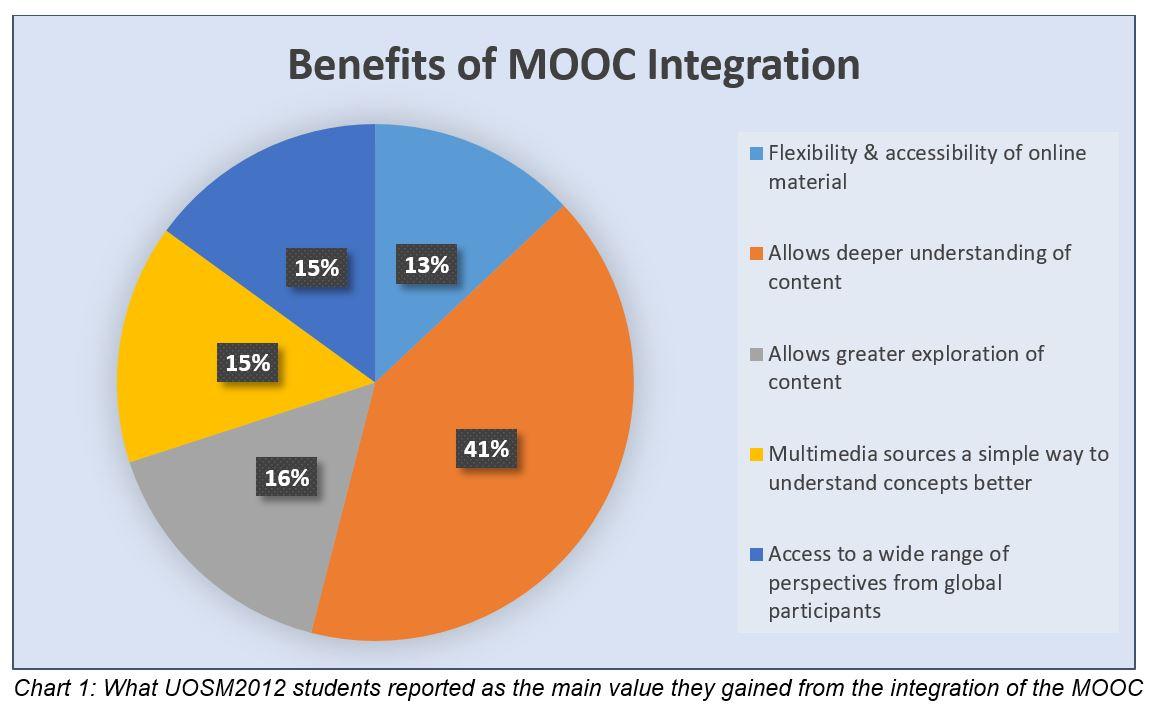
MOOCs have become an integral part of modern learning, especially for those who aspire to stay competitive in a fast-evolving job market. Let’s dive into the top benefits:
1. Accessibility and Adaptability
- Study Anytime, Anywhere: Learners can access course materials and participate at their own pace, fitting education around work, family, and other commitments.
- No Geographic Barriers: Anyone with internet access can enroll, irrespective of physical location or financial status.
2. Diverse Course Selection
- Courses cover a wide spectrum, from data science and digital marketing to creative writing and beliefs.
- Updated content ensures learners stay current with the latest trends and knowledge in their chosen fields.
3. Affordable and Often Free
- Many MOOCs are free to audit, and paid options for certifications are substantially less expensive than conventional academic degrees.
- Financial aid and scholarships often available for premium content.
4. Recognition and Certification
- Verified certificates and micro-credentials are increasingly recognized by employers and can enhance a resume or LinkedIn profile.
- Stackable credentials make it easier to build skills incrementally.
5.Community and Networking
- Discussion forums and collaborative assignments foster global connections and peer learning.
- Opportunities to interact with experts and instructors through Q&As and live sessions.
The impact of MOOCs on Lifelong Learning
Since their inception, MOOCs have accelerated lifelong learning in transformative ways:
Empowering Career transitions
Professionals facing industry disruptions or seeking promotions use MOOCs to gain relevant skills quickly.A 2023 Coursera Global Skills Report highlights that over 80% of MOOC users leveraged their learning for a new job,promotion,or career change.
Bridging the Skills Gap
With technology evolving rapidly, the existing workforce must reskill and upskill to remain employable. MOOCs offer just-in-time micro-learning modules,enabling learners to fill critical skills gaps at their own pace.
Lifelong Learning for All Ages
MOOCs aren’t just for working professionals. Retirees, students, and stay-at-home parents use them to explore personal interests, improve cognitive health, or re-enter the workforce.
Democratizing Education
MOOCs have provided vital opportunities in developing countries by breaking down institutional and geographical constraints, thus democratizing access to quality education worldwide.
Opportunities Unlocked by MOOCs
Beyond traditional education and career skills, MOOCs are opening new doors for learners:
- Entrepreneurship: Platforms offer specialized courses in business, marketing, tech, and innovation, equipping future entrepreneurs for success.
- Language Mastery: Reach proficiency or fluency in a new language with interactive exercises and global peer practice groups.
- Personal Progress: Courses in mindfulness, psychology, nutrition, and fitness support well-rounded lifelong learning.
- Social Impact: Participate in MOOCs on sustainability, human rights, or public health to drive meaningful change in your community.
Case Studies: Real-World MOOC Success Stories
Case Study 1: Upskilling for a Digital Career
Maria, a schoolteacher from brazil, used MOOCs from Coursera to learn web development and digital marketing. Within a year, she transitioned to a remote tech job, significantly increasing her income and work flexibility.
Case Study 2: Bringing Education to Rural Communities
In rural India, non-profit organizations partnered with universities to deliver free MOOC content to local students. This access to quality courses improved exam pass rates and inspired many to pursue higher education and professional certifications.
Case Study 3: Retiree Embraces lifelong Learning
Paul, a retired engineer in Canada, enrolled in art history and photography MOOCs. He credits these courses with keeping his mind sharp, building new social connections, and uncovering creative passions in his golden years.
How to Make the Most of MOOCs: Practical Tips
- set Clear Goals: Define your learning objectives—do you wont a certificate,new skill,or personal enrichment?
- Choose Wisely: Pick courses aligned with your goals,and verify the credibility of instructors and institutions.
- Schedule Regular Time: Dedicate consistent time slots weekly for study and review to stay on track.
- Engage Actively: Participate in discussion forums, collaboratives, or live Q&A sessions when possible.
- Apply Your Knowledge: Practice newly learned skills through side projects, volunteering, or sharing with peers.
- Track Progress: Monitor your milestones, celebrate achievements, and stay motivated to complete the course.
Future Trends: The Ongoing Evolution of MOOCs and Lifelong Learning
- AI-Powered Personalization: Machine learning algorithms tailor course recommendations and study paths for personalized learning experiences.
- Industry Partnerships: Collaboration between MOOC platforms and companies is resulting in job-ready learning pathways (e.g., Google Career Certificates, IBM Data Science Professional Certificate).
- Blended Learning: Hybrid models, combining online content with hands-on workshops or in-person cohorts, are enhancing engagement and outcomes.
- Digital Credentials: Blockchain-verified certificates and digital badges enable learners to showcase verified skills anywhere in the world.
Conclusion: Why MOOCs Are the Key to Lifelong Learning
MOOCs have redefined what it means to be a learner in today’s interconnected world. By making quality education accessible, affordable, and flexible, they empower individuals of any age or background to engage in ongoing lifelong learning. Whether for career growth, skill development, or personal enrichment, the opportunities MOOC platforms offer are expanding every year.
Ready to take charge of your learning journey? Explore MOOCs aligned with your aspirations and experience the change of continuous education firsthand. With the world’s knowledge just a click away, the future of learning truly lies at your fingertips.