
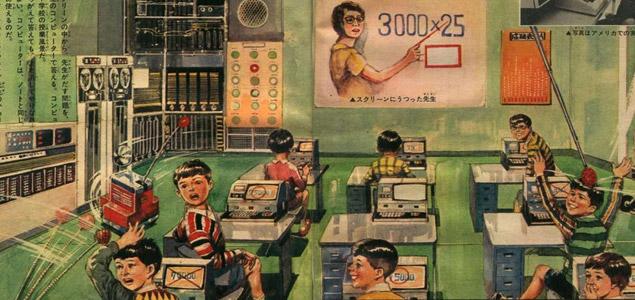
How MOOCs Are Revolutionizing Lifelong Learning: Exploring Their Role and Impact
In an era where knowledge evolves at lightning speed, the need for lifelong learning has never been greater.
Massive Open Online Courses (MOOCs) have emerged as a powerful catalyst, making education more accessible, affordable, and flexible than ever before.
This article delves into how MOOCs are revolutionizing lifelong learning, exploring their key role, transformative impact, and offering practical tips for learners looking to harness their potential.
What Are moocs? A Brief Overview
MOOCs, or Massive Open Online Courses, are online courses open to anyone, anywhere in the world.
Offered by leading universities and organizations through platforms like Coursera, edX, Udemy, and FutureLearn, MOOCs provide high-quality educational experiences without traditional barriers like geography, cost, or admission requirements.
- open Access: Anyone can enroll, usually for free or at a low cost.
- Scalability: Tens of thousands can participate at the same time.
- Flexibility: Learn at your own pace, from anywhere and at any time.
- Variety: Courses span diverse subjects, from coding and marketing to philosophy and art history.
The Role of MOOCs in Lifelong Learning
Lifelong learning refers to the continuous pursuit of knowledge for personal or professional development. In today’s rapidly changing world,
the ability to adapt and upskill is crucial. MOOCs are playing a pivotal role in this educational evolution by:
- Democratizing Education: MOOCs break down socio-economic and geographical barriers, making learning accessible to all.
- Enabling Career Advancement: Working professionals can upskill or reskill to stay competitive in the job market.
- Supporting Personal Interests: Learners can explore new fields or hobbies at their own pace.
- Promoting Continuous Professional Development: Manny industries now require ongoing learning, which MOOCs conveniently supply.
How MOOCs Are impacting Education and Skills Development
The impact of MOOCs on lifelong learning goes far beyond convenience—it’s reshaping how people around the world learn, work, and grow.
Breaking Down Traditional Barriers
- Affordability: Most MOOCs are free to audit, with affordable options for certification.
- No Prerequisites: Many courses don’t require prior qualifications or experience.
- Global Learning Community: MOOCs connect learners across cultures, fostering diverse perspectives.
Enhancing Employability
- Industry-Relevant Skills: Many courses are designed in collaboration with top employers to address current job market demands.
- Micro-Credentials: Short, focused programs like “nanodegrees” and “professional certificates” offer tangible proof of skills.
Encouraging Lifelong Curiosity and Growth
- self-Directed Learning: Learners define their own goals, pace, and areas of interest.
- Accessible Expertise: Access lectures by world-class professors, industry leaders, and practitioners.
“MOOCs have played a transformative role in empowering a new generation of lifelong learners. Wherever you are in the world,you now have the chance to learn directly from the best in the field.” – World Economic Forum
Key Benefits of MOOCs for Lifelong Learners
- Flexible Scheduling: Learn on your own time,making MOOCs ideal for working adults or busy parents.
- Cost-Effective Education: Free or low-cost alternatives to traditional university programs.
- Diverse Subject Choices: From quantum computing to creative writing—there’s something for everyone.
- Networking Opportunities: Forums and social features connect learners globally for collaboration and support.
- immediate Submission: Apply what you learn instantly to your job or personal projects.
- Recognition and Certification: Verified certificates enhance your resume and LinkedIn profile.
Practical Tips: How to Make the Most of MOOCs
- Set Clear Goals: Define what you want to achieve—career progression, skill expansion, or personal growth.
- Choose accredited Courses: Opt for courses from reputable institutions or industry-recognized providers.
- Establish a Routine: Block out regular study time to maintain motivation and progress steadily.
- Engage with the Community: Join course forums or social groups to ask questions, share insights, and network.
- Practice Active Learning: Complete assignments, quizzes, and hands-on projects to reinforce knowledge.
- Showcase Your Achievements: Add certificates to your resume, online profiles, or professional portfolios.
Case Studies: Real-Life Impact of MOOCs on Lifelong Learners
Case Study 1: Career Transition Success
Maria, a school teacher in Brazil, wanted to switch to a data science career. Through MOOCs offered by Coursera and edX, she completed
data analytics and machine learning courses. Within a year, Maria had the skills and certifications to secure a junior data analyst position at a leading tech company.
Case Study 2: Entrepreneurship Empowerment
John, a small business owner in Kenya, utilized MOOCs on digital marketing and e-commerce. These affordable courses empowered him to launch an online store,
boost his marketing strategy, and reach a wider market, resulting in a 40% increase in sales within six months.
Case Study 3: Upskilling for the Digital Economy
Sophie, a mid-career professional in the UK, used moocs to stay updated with the latest advancements in cybersecurity.
Regularly taking online courses allowed her to advance to a senior position and maintain industry relevance.
First-Hand Experience: A Learner’s Perspective
“I never thought I could enroll in courses from universities like MIT or Stanford without ever leaving my hometown. The flexibility of MOOCs allowed me to learn on my schedule,
gain valuable skills, and even make new friends from across the globe.”– Priya, MOOC participant
The Future of MOOCs and Lifelong Learning
As technology continues to advance, so do the opportunities for lifelong learning. Innovations such as AI-driven personalized learning,
virtual reality classrooms, and interactive assessments are poised to make MOOCs more engaging and effective.
With growing partnerships between universities,businesses,and tech platforms,MOOCs are set to remain at the heart of a global learning revolution.
Whether you’re seeking to reskill, upskill, or simply explore your passions, MOOCs put the future of learning firmly in your hands.
Conclusion
MOOCs are transforming the lifelong learning landscape by making high-quality, flexible, and affordable education accessible to everyone.
Their role in democratizing knowledge, enhancing employability, and supporting personal growth is unmatched. With endless possibilities for self-improvement and career advancement,
MOOCs empower learners from all walks of life to thrive in a rapidly changing world.
If you haven’t yet experienced the power of MOOCs, now is the perfect time to start. Embrace lifelong learning—your future self will thank you for it.