
How MOOCs Are Revolutionizing Lifelong Learning: Key Benefits and Insights
In today’s fast-paced and interconnected world, the importance of lifelong learning has never been greater. Whether you’re a professional seeking to upskill, a student looking to broaden your horizons, or simply a curious mind, learning doesn’t stop onc you leave the classroom. Enter Massive Open Online Courses (MOOCs)—dynamic, accessible platforms that are not only democratizing education but revolutionizing how we learn throughout our lives. In this comprehensive guide, we’ll delve deep into how MOOCs are transforming lifelong learning, their key benefits, practical insights, and inspiring case studies that highlight their global impact.
What Are MOOCs? Understanding the Online Learning Phenomenon
MOOCs, or Massive Open Online Courses, are freely accessible online courses that accommodate unlimited participants. Pioneered by top educational institutions such as MIT, stanford, and Harvard, MOOCs offer a diverse range of subjects—from data science and business management to psychology and art—making high-quality education accessible to anyone, anywhere. Popular platforms like Coursera, edX, Udacity, and FutureLearn have helped millions fuel their passion for lifelong learning on their own terms.
Key Benefits of MOOCs for Lifelong learners
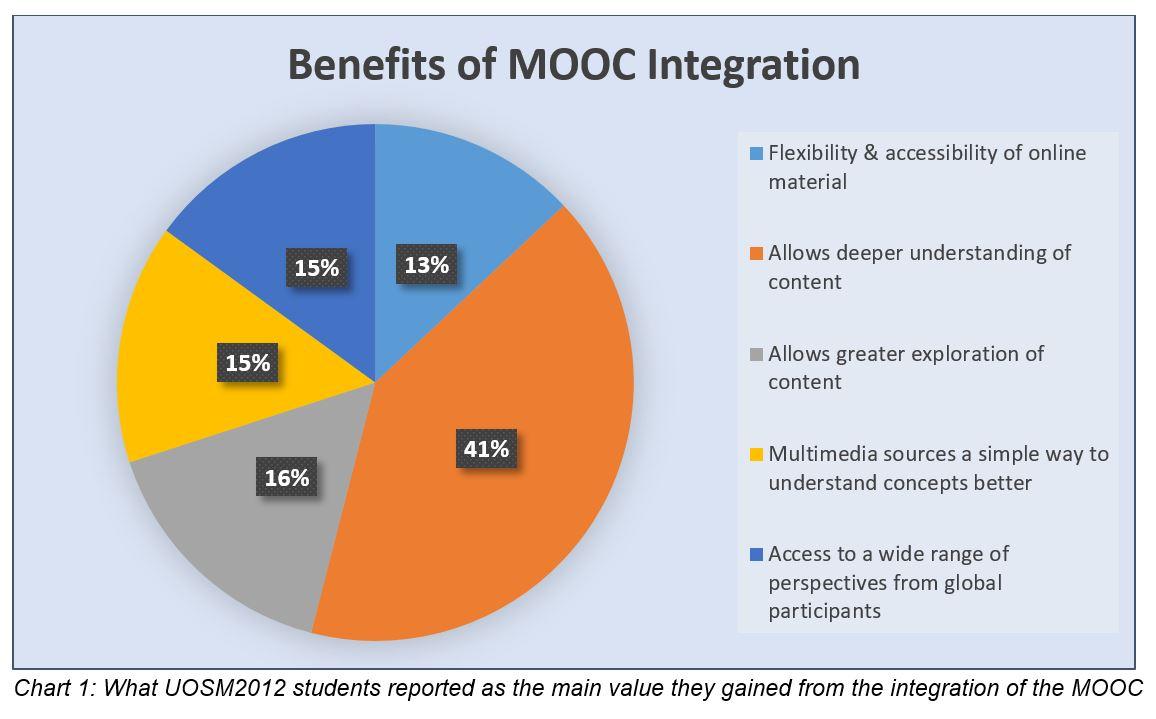
MOOCs have become a cornerstone of online education, empowering individuals with greater control over their learning journeys. Here are the top benefits that MOOCs offer to lifelong learners:
- Accessibility and flexibility: MOOCs are available online 24/7,making it easy for learners to study at their own pace,anytime and anywhere.
- Cost-Effectiveness: Many MOOCs are free, or offer affordable paid options for certifications, eliminating the financial barriers traditionally associated with higher education.
- Wide Selection of Courses: From technology and business to humanities and creative arts, MOOCs cover thousands of topics, allowing individuals to pursue personal interests or professional goals.
- Global Networking Opportunities: Learners can connect with classmates, professors, and professionals around the world through discussion forums and collaborative projects.
- Up-to-Date Content: Courses are often developed by industry experts and leading universities, ensuring the material is current and relevant to today’s job market.
- Micro-Credentials and Skill Badges: Many platforms provide digital certifications and badges, which can be showcased on resumes or linkedin profiles to demonstrate new competencies.
How MOOCs Overcome Traditional Learning Barriers
Traditional learning methods can be limited by geographic location, time constraints, and cost. MOOCs break down these barriers by providing education that is:
- On-demand: Access on your schedule, making learning compatible with work, family, and other commitments.
- Inclusive: No prerequisites or prior degrees required, opening doors for learners of every background and age group.
- Scalable: Course materials and discussion forums support thousands of students simultaneously, creating large, vibrant communities.
Practical Insights on Maximizing MOOCs for Lifelong Learning
To enhance your lifelong learning experience through MOOCs,consider the following tips and best practices:
- Set Clear Learning Goals: Define what you hope to achieve—be it a new certification, career advancement, or the pursuit of a hobby.
- Curate Your Learning Path: Leverage course recommendations, specializations, and learning tracks offered by most MOOC platforms to build a cohesive skillset.
- engage with the Community: Participate in discussion forums and peer review assignments to network, gain new perspectives, and reinforce your understanding.
- Apply Knowledge Instantly: Reinforce learning by applying new skills to real-world projects, volunteering, or at your workplace.
- Track Progress: Use built-in tracking tools to monitor your progress, set reminders, and stay motivated.
Real-World Case Studies: MOOCs Making a Difference
The transformative power of MOOCs extends across backgrounds, industries, and geographies. Here are a few compelling examples:
Case Study 1: Reskilling a Workforce in India
Facing rapid technological change, a major IT firm in India partnered with major MOOC platforms to reskill its employees. Over two years, more than 10,000 staff completed online courses on cloud computing and machine learning, resulting in increased internal promotions and reduced attrition rates.
Case Study 2: Empowering Rural Learners in Africa
With limited access to traditional classrooms, young learners in rural Kenya utilized MOOCs on mobile devices to master courses in agriculture and entrepreneurship. This led to the creation of local startups and significant community development initiatives.
Case Study 3: Career Shifts in North America
Mid-career professionals in the U.S.used MOOCs to pivot into emerging sectors like data analysis and digital marketing. Through online certification programs, many secured new roles or launched thriving freelance careers.
First-Hand Experiences: Testimonials from Lifelong Learners
Nothing illustrates the impact of MOOCs better than the stories of learners themselves:
“After losing my job during the pandemic, I turned to MOOCs. I earned certifications in project management, which played a pivotal role in landing my current role. The flexibility and affordability were game-changers.”
– sarah J.,Canada
“I always wanted to learn about art history, but never had the time. With MOOCs, I can fit lectures into my lunch breaks and weekends.”
– Hector M., Spain
The Future of MOOCs and Lifelong Learning
As technology evolves, so too do MOOCs. The integration of artificial intelligence, personalized learning paths, and virtual reality promises even more immersive and tailored educational experiences. Corporate adoption of MOOCs for employee training and upskilling is on the rise, and governments globally are partnering with MOOC providers to build inclusive, future-ready workforces.
Furthermore, as more prestigious universities and industry leaders join the MOOC movement, the credibility and value of MOOC certifications are likely to grow, bridging the gap between traditional and online education.
Conclusion: Embrace the MOOC Revolution for Lifelong Success
The MOOC revolution is profoundly shaping the way we learn, work, and grow. By offering flexible, affordable, and high-quality education to anyone with an internet connection, moocs are truly democratizing lifelong learning. Whether you want to advance your career, master a new skill, or simply indulge your curiosity, now is the perfect time to explore what MOOCs have to offer.
Ready to take your learning journey into your own hands? Dive into the world of MOOCs and unlock a future full of opportunities.