
How MOOCs Are Revolutionizing Lifelong Learning: The Essential Role of Online Courses
In the digital era, education knows no bounds. Thanks to MOOCs and online courses, lifelong learning is more accessible, flexible, and impactful than ever before.
Introduction
Gone are the days when education was confined to traditional classrooms or capped by age. Today, Massive Open Online Courses (MOOCs) are transforming how people of all ages approach learning. Thay dissolve barriers to education, offering a vast world of knowledge at one’s fingertips.Whether you’re enhancing your career, exploring a new hobby, or aiming for personal growth, online learning is paving the way for a more informed and empowered global society.
What Are MOOCs?
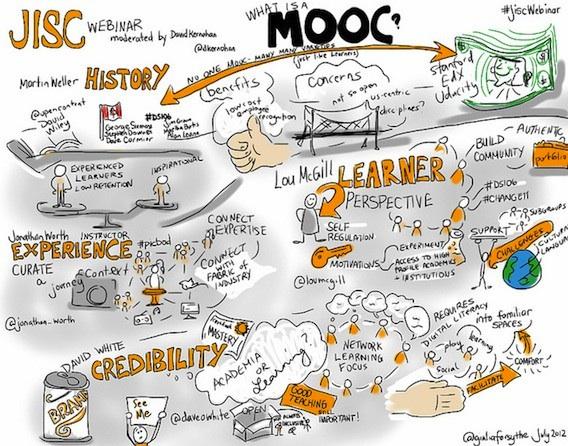
MOOCs—or Massive Open Online Courses—are web-based courses designed for large-scale participation and open access via the internet. Led by top universities,thought leaders,and industry professionals,these courses cover subjects ranging from computer science and business to the arts and personal advancement.
- Accessibility: Anyone with an internet connection can enroll.
- adaptability: Learn anytime,anywhere,at your pace.
- diversity: Courses are available in multiple languages and on countless topics.
With platforms like Coursera, edX, Udemy, and FutureLearn leading the way, MOOCs have grown into a worldwide phenomenon, revolutionizing lifelong learning.
How MOOCs Are Revolutionizing Lifelong Learning
MOOCs are not just an choice to traditional education; they’re a game changer for lifelong learners everywhere. Here’s how MOOCs are reshaping the landscape:
1. Breaking Geographical Barriers
No matter where you live, MOOCs put world-class education within your reach. learners from rural villages to urban centers gain direct access to top universities and experts around the globe.
2. Democratizing Knowledge
MOOCs make high-quality education affordable or even free. Courses that once cost thousands are now available to millions at little or no cost, making learning more equitable and widespread.
3. Enhancing Skill Development
- Professional growth: In rapidly changing industries, continuous upskilling is essential. moocs help learners stay competitive with current, in-demand skills.
- Personal interests: Explore new hobbies or passions—photography, psychology, creative writing, and more—through accessible online courses.
4.Flexible, Self-Paced Learning
Unlike rigid academic semesters, online courses allow learners to progress at their own speed. This flexibility supports various learning styles and schedules, especially for working professionals, caregivers, or those with disabilities.
5. Community and Networking Opportunities
Online platforms often feature forums, study groups, and social learning tools that connect students worldwide, fostering collaboration and cultural exchange.
Key Benefits of Online courses for Lifelong Learners
Let’s delve deeper into why MOOCs and online courses are the go-to choice for lifelong learners:
- Affordability: Most MOOCs are free or affordably priced, with optional certificates for a reasonable fee.
- Certification and Career Progression: Verified certificates add value to resumes or LinkedIn profiles,enhancing employability.
- Updated Content: Courses are regularly updated to include the latest trends, research, and industry standards.
- Personalized Learning: Learners can pick and choose course modules based on their goals.
- immediate Request: Many courses offer project-based learning, letting you apply new knowledge directly to your job or personal projects.
Real-World Case Study: MOOCs in Action
Case Study: Jane’s Career Conversion
Jane, a mid-career professional in the finance sector, felt the need to pivot toward data analytics. She took advantage of MOOCs on platforms like Coursera, enrolling in the renowned “Google Data Analytics Professional Certificate.” Not only did Jane gain a solid foundation in industry tools such as SQL and Tableau, but she also networked with peers on forums, participated in capstone projects, and earned a portfolio-boosting certificate. Within six months, Jane landed a data analyst role, showcasing how online courses can truly accelerate career transitions and lifelong learning goals.
First-Hand Experience: Lifelong Learning Through MOOCs
Many lifelong learners share similar success stories:
- Career Changers: Marketing professionals switching to UX design by completing relevant MOOC specializations.
- Entrepreneurs: Gaining practical business insights and strategies through entrepreneurship courses.
- Retirees & Hobbyists: Exploring topics like history, literature, or art recognition without any pressure or deadlines.
“Taking MOOCs reignited my love for learning. I could study neuroscience at my own pace while working full-time. The experience was empowering, and I soon applied my learning in real-world projects.” — Michael, lifelong learner
Practical Tips for Getting the Most Out of Online Courses
If you’re ready to embark on your lifelong learning journey with moocs, follow these tips to maximize your success:
- Set Clear Goals: Define what you want to achieve—be it a new skill, a certification, or pure personal growth.
- Choose Reputable Platforms: Look for trusted providers like Coursera,edX,Udacity,or niche-specific platforms.
- Engage in Community Forums: Participate in discussions to deepen your understanding and expand your network.
- Create a Study Schedule: Structure your coursework to fit your routine and avoid burnout.
- apply What You Learn: Use acquired skills in real-life scenarios—projects, freelancing, volunteering, or at your current job.
- Earn Certificates When Possible: verified certificates demonstrate your commitment and expertise to employers.
- Stay Curious: Learning is a lifelong journey—embrace it with an open and curious mind!
Popular Platforms and Courses for Lifelong Learning
Here’s a snapshot of leading MOOC providers and sought-after courses:
| Platform | popular Course | Field | cost |
|---|---|---|---|
| Coursera | Google IT Support Professional Certificate | Technology/IT | Free to audit, fee for certificate |
| edX | Harvard’s CS50: Introduction to Computer Science | Computer science | Free, fee for certificate |
| Udemy | Complete Python Bootcamp | Programming | Paid (often discounted) |
| FutureLearn | Business Strategy: The Art of Competition | Business | Free, with paid upgrades |
Frequently Asked Questions About MOOCs and Lifelong learning
Are moocs recognized by employers?
Many employers value the initiative shown by completing MOOCs, especially if the course is from a reputable institution and provides a verified certificate. Highlighting these achievements on your resume or LinkedIn can make a meaningful difference.
Can I use MOOC certificates for university credit?
Some MOOCs offer credit-eligible courses, often as part of MicroMasters or specialization programs. Check course details to see if credits transfer to partner universities.
Are MOOCs only for technical subjects?
No! While tech courses are popular, MOOCs span arts, humanities, social sciences, language learning, business, health, and much more.
Conclusion: The Future of Lifelong Learning Is Now
MOOCs are more than an educational trend—they are a social revolution. By offering affordable, adaptable, and top-quality online courses to anyone, anywhere, they empower individuals to take charge of their learning journey, drive career agility, and pursue passions without limits. As more learners and educators embrace digital platforms, lifelong learning through MOOCs is poised to shape the future of education—for everyone.
Ready to start your lifelong learning adventure? Dive into a MOOC today and unlock a world of possibilities!