
How MOOCs Are Revolutionizing Lifelong Learning: The Future of Education Explained
In today’s digital age,the world of education is undergoing unprecedented change. At the heart of this evolution are MOOCs (Massive Open Online Courses), which have opened new doors for millions of learners worldwide. Designed for flexibility and accessibility, MOOCs are challenging traditional education paradigms, making lifelong learning more attainable than ever. In this article, we’ll explore how MOOCs are revolutionizing lifelong learning, the benefits they offer, inspiring case studies, and practical strategies for maximizing your own educational journey online.
What Are MOOCs? Understanding the Basics
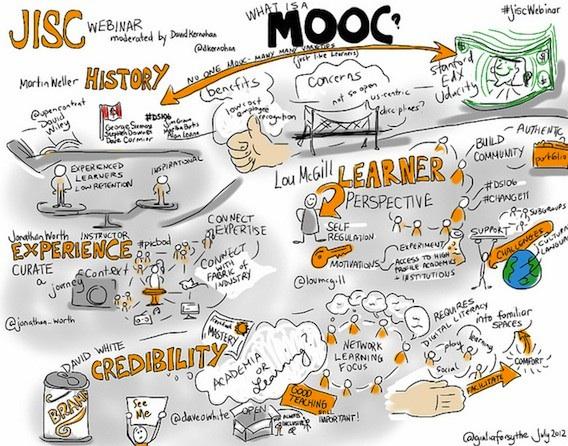
MOOCs, or Massive Open online Courses, are free or low-cost online classes available to anyone with an internet connection. Typically provided by leading universities, prestigious institutions, and industry experts, MOOCs offer a diverse range of courses—from computer science to arts, personal progress, language learning and business management.
- Massive: Enrollments can range from hundreds to even millions of learners worldwide.
- Open: Generally open to anyone, regardless of prior qualifications.
- Online: Accessible from anywhere with internet connectivity.
- Courses: Structured learning modules, often with video lectures, readings, quizzes, and interactive forums.
Top MOOC platforms include Coursera, edX, Udacity, FutureLearn, and Udemy, offering both free and paid certification programs from reputable organizations worldwide.
The Role of MOOCs in Lifelong Learning
Lifelong learning is the continuous pursuit of knowledge, weather for personal or professional reasons. In a rapidly evolving job market and society, learning never truly stops. MOOCs are crucial to promoting lifelong education by making learning opportunities accessible,personalized,and cost-effective.
Key Ways MOOCs Support Lifelong Learning:
- Self-paced Learning: Study at your own convenience, fit courses into your busy schedule, and revisit content as needed.
- Affordable Access: Many MOOCs are free to audit, with minimal fees for certification, reducing the financial barriers to education.
- Global Reach: Learners connect with peers and instructors across continents, fostering cross-cultural understanding.
- Customization: Choose topics and skill levels that best suit your needs and career goals.
- Industry relevance: Courses are frequently updated to reflect current trends and emerging fields.
How MOOCs Are Transforming the Future of Education
The traditional “one-size-fits-all” classroom is giving way to a more flexible and inclusive model.MOOCs are at the forefront of this shift,empowering individuals and organizations to adapt swiftly to new knowledge and changing skill requirements.
The Future of Education with MOOCs:
- Democratization of Knowledge: Anyone, anywhere can access world-class education regardless of socioeconomic background.
- Micro-Credentials & Digital Badges: Learners can earn stackable credentials,nanodegrees,and professional certificates online,building flexible pathways into the workforce.
- Blended and Hybrid Learning: Many universities incorporate MOOCs into traditional curricula, creating blended classrooms and digital campuses.
- Lifelong Career & Skills Advancement: Employees enhance their professional profiles, employers promote upskilling at scale, and entrepreneurs update skills in fast-changing markets.
- AI and Adaptive Learning: New AI-powered MOOCs provide personalized feedback, adaptive learning paths, and interactive exercises for a more engaging experience.
“MOOCs have removed barriers to education and created a global classroom, making it possible for people of all ages to learn, reskill, and thrive in the digital era.”
Top Benefits of MOOCs for Lifelong Learners
Why should you consider MOOCs as part of your personal development and lifelong learning journey? Here are some powerful benefits to consider:
- Flexible Schedules: Whether you’re a working professional, a busy parent, or a student, you can engage with content anytime, anywhere.
- Wide Range of Topics: From AI and blockchain to creative writing, soft skills, and language acquisition, there’s a MOOC for virtually every interest.
- Accredited Certificates: Employers and academic institutions increasingly recognise MOOC certificates, making them valuable for career advancement.
- Networking Opportunities: Engage with global communities through interactive forums, peer assessments, and group projects.
- Low to No Financial Barriers: High-quality education is now available at a fraction of the cost of traditional degree programs.
case Studies: Real-World Impact of MOOCs
Case Study 1: Upskilling for Career Change
Maria, Spain: Between jobs, maria enrolled in a Python programming MOOC offered by the University of Michigan via Coursera. After completing the course and earning a certificate, she included it in her resume—helping her land an IT role within three months, despite not having a traditional computer science background.
Case Study 2: Continuing Education for Professionals
John, USA: Working as a marketing manager, John needed to learn about data analytics to expand his skill set.He completed several data-driven marketing MOOCs on edX, applying his new skills at work and earning a promotion within the year.
Case Study 3: University Integration
National university of Singapore: NUS incorporates MOOCs into several undergraduate and graduate programs, allowing students to learn from international professors, collaborate globally, and earn credits toward their degrees—all online.
Practical Tips to Maximize Your MOOC Experience
Ready to embark on your own lifelong learning journey with MOOCs? Here are some actionable tips to help you succeed:
- Set Clear Goals: Define what you want to achieve,whether it’s a new skill,a certificate,or personal interest.
- Schedule Time: Consistent study sessions help you progress and stay motivated.
- Engage with the Community: Participate in discussion forums and group projects to deepen understanding and build connections.
- Take Notes: Summarize concepts in your own words to improve retention and application.
- Apply What You Learn: Implement new skills in real-life projects or at work to reinforce learning.
- Consider Certification: If credibility matters to your career path, invest in verified certificates and digital badges to showcase your skills.
First-Hand MOOC Experiences: Insights from Learners
Many learners attest to the transformative impact MOOCs have on their lives.Here’s what a few have to say:
“Learning through MOOCs has totally changed my outlook. I balanced my full-time job and studies without any stress, and secured a new job thanks to my certifications.” – priyanka,India
“The flexibility and quality of courses allowed me to upskill quickly during the pandemic,ensuring I remained competitive in the workplace.” – lucas, Brazil
Conclusion: Embracing the Future of Education With MOOCs
As MOOCs revolutionize lifelong learning, more people than ever are empowered to access, share, and build knowledge.The future of education is flexible, inclusive, and adaptive—redefining how, when, and why we learn. By leveraging online courses, micro-credentials, and a global network of learners and teachers, anyone can gain new skills, advance their careers, or simply indulge their curiosity.If lifelong learning is the key to success in the 21st century, MOOCs are the doors that open up the world.
Start your MOOC journey today. The future of learning is just a click away!