
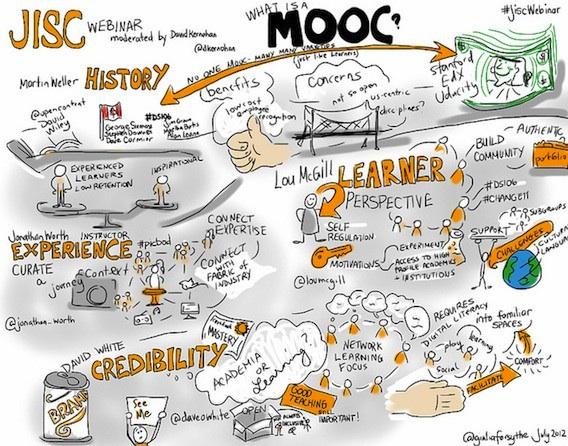
How MOOCs Are Revolutionizing Lifelong Learning: The Future of Education Online
In the last decade, Massive Open Online Courses (MOOCs) have dramatically transformed the landscape of education. No longer confined to physical classrooms or conventional timelines, MOOCs empower millions around the globe to engage in lifelong learning—on thier terms. With an ever-growing demand for upskilling, accessibility, and adaptability, moocs are truly revolutionizing the future of education online.
What Are MOOCs? Understanding the Basics
MOOCs—Massive open Online Courses—are web-based courses designed for large-scale participation and open access via the Internet. Leading platforms like Coursera, edX, Udemy, and FutureLearn have made education from top universities and experts accessible to anyone, anywhere.
- Massive: Accommodate hundreds of thousands of learners at once
- open: Free or low-cost, with no strict entry requirements
- Online: Entirely digital and accessible 24/7
- courses: Covering diverse topics, from computer science to arts and personal development
Key Benefits of MOOCs for Lifelong Learners
MOOCs are helping individuals stay current in rapidly shifting career landscapes. Hear’s why they’re gaining momentum among lifelong learners:
1. Accessibility & Flexibility
- Learn at your own pace, from anywhere in the world
- Mobile- and tablet-friendly platforms for learning on the go
- Courses available in multiple languages
2. affordability
- Many MOOCs are free or cost significantly less than traditional courses
- scholarships and financial aid are available on some platforms
3. Up-to-Date and Industry-Relevant Content
- Courses often created in collaboration with top universities or companies (Google, IBM, Microsoft)
- Focus on current, in-demand skills such as AI, data science, cloud computing, digital marketing, and more
4. Networking and Community
- Peer forums and discussion groups enhance the learning experience
- Opportunities to connect with like-minded learners and professionals worldwide
The Revolutionary Impact of MOOCs on Education
The global reach and inclusive nature of MOOCs have made them a powerful force reshaping traditional education models. Let’s explore some of the ways MOOCs are positively impacting the future of online learning:
Democratizing Education
MOOCs are breaking down the traditional barriers to education—such as geography, finances, and prerequisites. For the first time, a learner in a remote village can enroll in MIT or Harvard courses alongside learners from urban centers, all for free or at low cost.
Accelerating Workforce Reskilling
The pace of technological change means many jobs now require ongoing learning. MOOCs provide up-to-the-minute training for professionals to adapt and thrive, supporting career advancement, career switching, and entrepreneurship.
Credentialing and Micro-Degrees
Many MOOC providers now offer certificates, nanodegrees, and micro-credentials recognized by employers. This innovation is helping bridge the gap between traditional degrees and job market needs.
Real-life Success stories: MOOCs in Action
Let’s look at how MOOCs are making a tangible difference:
- Career Switch: Sasha from Brazil used free courses on Coursera to shift from journalism to front-end web development,landing a remote tech job within a year.
- Upskilling for Growth: Rajesh in India earned a Data Science professional Certificate from edX while working full-time,leading to a promotion—without ever stepping foot in a traditional classroom.
- Global Classroom: Online forums enabled Lina from morocco to form study groups with learners from 12 different countries, sharing diverse perspectives and creating lasting professional networks.
Practical Tips: Making the Most of MOOCs
Ready to make MOOCs part of your lifelong learning journey? Here’s how to maximize your success:
-
Set Clear Goals:
- Define what you want—skills, certificates, career advancement—and choose courses that align.
-
Pick the Right Platform:
- Explore Coursera, edX, Udemy, LinkedIn learning, and other platforms for different teaching styles and subjects.
-
Engage Actively:
- Participate in discussion boards and peer review assignments for deeper learning and networking.
-
Make a Schedule:
- Treat your MOOC like a real class. Dedicate regular study sessions to stay on track.
-
Apply Your Knowledge:
- Practice what you learn through projects, volunteering, or on-the-job application to reinforce skills.
The Future of moocs: What’s next for Online Education?
Looking ahead, the role of MOOCs in future online education will only grow stronger. Key trends to watch include:
- Artificial Intelligence and Personalization: Platforms will use AI to recommend courses, offer personalized feedback, and adapt materials for individual learning needs.
- Integration with Formal Education: More universities are blending MOOCs into degree programs, making hybrid and stackable learning common.
- Virtual Reality (VR) and simulations: Advanced technology will create immersive, hands-on experiences for fields like medicine, engineering, and arts.
- employer Partnerships: Companies will increasingly collaborate with MOOC providers for custom training programs and talent pipelines.
Conclusion: Embrace the Revolution in Lifelong Learning
As technology accelerates and the job market evolves, MOOCs stand out as a powerful engine for lifelong learning and personal growth. Whether you’re 18 or 80, a student or a seasoned professional, MOOCs offer a world of knowledge and prospect—right at your fingertips.
Don’t wait for the future to arrive—start exploring MOOCs today and be part of the global revolution that’s making education more accessible,affordable,and impactful for everyone.