
How MOOCs are revolutionizing Lifelong Learning: The Key Role They Play
In today’s fast-paced world, embracing lifelong learning is more than an option—its a necessity. The advent of Massive Open Online Courses (MOOCs) has profoundly transformed the way we acquire new skills and knowledge, making education accessible and affordable for people of all ages and backgrounds. But what exactly makes MOOCs such a game-changer in the field of lifelong learning? In this article, we’ll dive deep into how MOOCs are revolutionizing education, empowering self-driven learners, and shaping the future of professional growth.
What Are MOOCs?
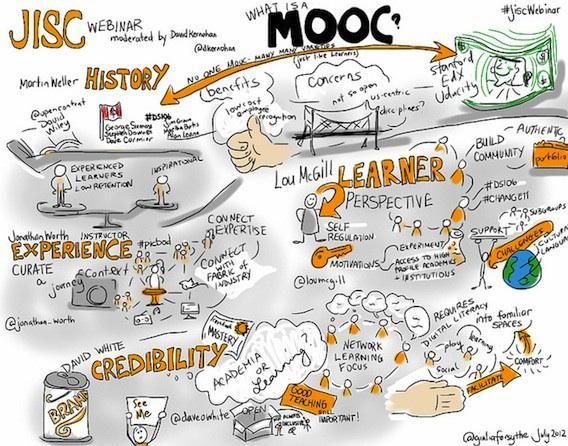
MOOCs—or Massive Open Online Courses—are online courses designed too offer unlimited participation and open access via the internet. Pioneered by platforms like Coursera, edX, Udacity, and FutureLearn, MOOCs cover a vast range of topics, from artificial intelligence to philosophy and everything in between. They usually feature:
- Video lectures
- Interactive assignments and quizzes
- Peer-to-peer discussion forums
- Downloadable resources and reading material
- certificates of completion (often available for a fee)
Why Lifelong Learning Matters More Than Ever
Technological innovation, economic shifts, and evolving workplace demands continuously reshape required skills. Lifelong learning isn’t just a buzzword—it’s essential for career growth, personal fulfillment, and community engagement. The era when education ended after high school or college is long gone. today:
- New jobs and industries frequently emerge, requiring ongoing upskilling.
- Soft skills, like leadership and emotional intelligence, are prized alongside technical expertise.
- Adaptability and continuous learning set successful professionals apart in the global marketplace.
How MOOCs are Revolutionizing lifelong Learning
MOOCs are breaking down barriers in education. here’s how they’re at the forefront of the lifelong learning revolution:
1. Unprecedented Accessibility
- Anyone with an internet connection can access world-class education, often for free.
- No geographical or socioeconomic constraints—learners from remote villages to urban centers can participate.
2. Flexible and Self-Paced Learning
- Study anytime, anywhere—fit learning into your schedule, whether you’re a working parent or a retiree.
- Select courses or “micro-credentials” to quickly address skill gaps or pursue personal interests.
3. Up-to-Date, Industry-Relevant Content
- Courses are frequently updated to reflect the latest trends and research.
- Collaboration with top universities and industry leaders ensures content quality and relevance (e.g., Google, IBM, Harvard).
4. Democratizing Credentialing
- Certificates and badges awarded by MOOCs can boost resumes and LinkedIn profiles.
- Employers increasingly recognize MOOC certifications as valid proof of ongoing learning and initiative.
5. Community-Driven Learning
- Global forums and study groups foster peer support and networking.
- Real-time feedback, project collaborations, and interactive elements enhance engagement.
Key Benefits of MOOCs in Lifelong Learning
- Cost-effective: Most MOOCs are free or affordable, making education accessible to all.
- Career Advancement: Sharpen existing skills or learn new ones to qualify for better opportunities.
- Diverse Offerings: Choose from thousands of subjects, at basic to advanced levels.
- Personalized Learning: Set your own pace and learning path based on individual needs and interests.
- No Prerequisites: Many MOOCs don’t require formal prior education—just curiosity and commitment.
Case Studies: How MOOCs Have Enabled Lifelong Learning
The Career Switcher: Sarah’s Story
Sarah, a marketing executive in her mid-30s, wanted to switch to data science.She enrolled in a series of MOOCs on Python, statistics, and machine learning through Coursera and edX. Within a year, after completing several certifications and a hands-on capstone project, she landed her first job as a data analyst. Sarah credits the structured online curriculum, flexibility, and affordable learning as key drivers of her successful career switch.
Upskilling at Scale: The Indian IT Sector
The Indian IT industry,facing rapid technological shifts,partnered with platforms like NPTEL and Coursera to upskill over a million engineers. MOOCs allowed employees to keep up with emerging technologies such as cloud computing and cybersecurity, ensuring continued relevance and competitiveness in the international market.
Enriching Retirement: Lifelong Learning After 60
John, a retired teacher, turned to MOOCs for intellectual stimulation and social connection.From art history to digital photography, he found courses that reignited his passion for learning, kept his mind active, and helped him connect with learners from around the world.
Practical Tips for Maximizing the Value of MOOCs
- Set Realistic Goals: Outline what you wish to achieve—career advancement, new skills, or personal growth.
- Choose Reputable Platforms: Opt for well-known MOOC providers or those partnered with accredited institutions.
- Engage With the Community: Join course forums and study groups to enhance understanding and accountability.
- Prioritize Consistency: Set aside regular time blocks for coursework each week.
- Apply What You Learn: Work on projects or case studies to reinforce new knowledge and skills.
- earn Shareable Certificates: Many MOOCs offer certificates that add value to your professional profile—don’t hesitate to show them off on your LinkedIn or CV.
potential Challenges and How to Overcome Them
- Lack of Motivation: Online learning requires self-discipline. Overcome this by joining peer groups or setting regular reminders.
- Completion Rates: Many learners don’t finish MOOCs. Set specific,small goals and celebrate milestones.
- Quality Variation: not all courses are created equal. Read reviews, check instructor credentials, and sample course previews before committing.
The Future of moocs and Lifelong Learning
As the workplace continues to evolve,so will the need for accessible,quality education. MOOCs are likely to become even more interactive and immersive, integrating artificial intelligence, virtual reality, and personalized learning paths. Partnerships between universities, employers, and technology companies will further raise the standard and reach of these platforms.
Moreover, as more employers appreciate MOOC credentials, lifelong learning will solidify its place as a core requirement—rather than a luxury—in professional evolution.
Conclusion
MOOCs are not just an educational trend; they are at the very heart of the lifelong learning movement.By making high-quality courses accessible, affordable, and highly flexible, MOOCs empower people across the globe to learn new skills, pivot careers, and enrich their lives at any age. Whether you’re looking to stay professionally relevant, explore new interests, or connect with a global learning community, MOOCs offer a pathway to ongoing personal and professional progress.
Embrace the revolution—take your next step on the lifelong learning journey with MOOCs today!