
How MOOCs Are Revolutionizing Lifelong Learning: Unlocking Flexible Education for All
In today’s fast-paced, ever-evolving world, the pursuit of lifelong learning is essential for both personal growth and professional progress. Recent advancements in online education have sparked a remarkable shift in the way we learn,thanks largely to the emergence of Massive Open Online Courses (MOOCs). Delivering free or affordable, high-quality educational content from leading institutions, MOOCs are democratizing access to knowledge and revolutionizing education for millions worldwide.
What Are MOOCs?
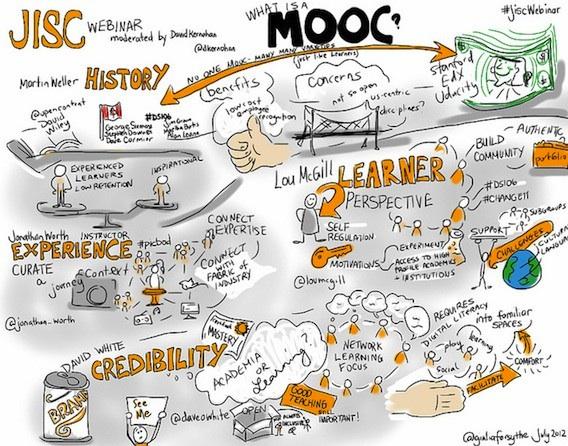
MOOCs—massive Open Online Courses—are online classes available to anyone with an internet connection. Offered by top universities and organizations such as Coursera, edX, Udacity, and FutureLearn, MOOCs cover a vast range of subjects—from computer science and business, to history, art, and personal development.
- Accessible Globally: Anyone, anywhere can enroll—breaking down barriers of geography and finances.
- Flexible Structure: Courses are often self-paced, enabling students to learn at their own convenience.
- Diverse Offerings: From beginner to expert, MOOCs offer something for every learner, regardless of background.
- Low or No Cost: Most courses are free to audit, with optional paid certifications for those seeking formal recognition.
The Role of MOOCs in Lifelong Learning
Lifelong learning—the idea that education never truly ends—has gained significant traction in the digital age. Careers, industries, and technologies are evolving rapidly, making it crucial for individuals to continually upgrade their skills and knowledge. Here’s how MOOCs are fueling this movement:
- Continuous Professional Development: professionals can bridge knowledge gaps and stay ahead in their fields by enrolling in relevant MOOCs.
- Career Transitions: MOOCs empower peopel to switch careers or upskill in emerging industries such as artificial intelligence,data science,and digital marketing.
- Accessible Personal Growth: Curious minds can pursue interests outside their career paths—like philosophy,psychology,or creative writing—without the constraints of traditional classrooms.
Key Benefits of MOOCs: Unlocking Flexible Education for all
MOOCs provide several transformative advantages that have made them a cornerstone of lifelong learning:
1. Unmatched Flexibility
Most MOOCs adopt self-paced formats, allowing learners to study anytime, anywhere. This is ideal for:
- Working professionals juggling jobs and family responsibilities
- Students supplementing their formal education
- Individuals in remote or underserved regions
2. Affordable High-Quality Education
Top universities like Stanford, MIT, and Harvard deliver MOOCs at minimal or no cost. This levels the playing field, providing access to world-class instruction beyond the traditional student body.
3. diverse Course Selections
Whether you want to master Python, learn the basics of business strategy, or explore Renaissance art, you’ll find a MOOC that suits your interests and skill level.
4. Networking and Global Collaboration
MOOCs feature international cohorts. Learners collaborate on projects, join online forums, and share knowledge, fostering a vibrant, global community.
5. Immediate, Practical Skill Building
Many MOOCs include hands-on projects and real-world case studies. This practical approach ensures learners can apply new skills at work or in personal projects right away.
MOOCs and the Democratization of Education
The impact of moocs is felt most profoundly in their ability to democratize education. By removing traditional entry barriers, such as high tuition fees, location, or entry exams, MOOCs enable equitable access to quality instruction for learners everywhere.
“Education is the most powerful weapon which you can use to change the world.” – Nelson Mandela
For underserved populations—including learners in developing countries, persons with disabilities, or those returning to education later in life—MOOCs represent a transformative opportunity to bridge the digital and knowledge divide.
Case Studies: Inspiring Transformations via MOOCs
- Rashmi from India: Working as a teacher in a rural district,Rashmi leveraged free MOOCs on Coursera and edX to upskill in educational technology. She now uses interactive tools to engage her students and has inspired colleagues to adopt digital teaching methods.
- Juan from Mexico: Facing layoffs during the pandemic, Juan completed a MOOC in data analytics. Within months, he secured a remote job with a global company, demonstrating the power of ongoing, flexible learning.
- Susan from Canada: A retired nurse, Susan took Harvard’s “Science of Happiness” MOOC to keep her mind active and connect with a community of learners worldwide. Her experience shows that MOOCs benefit learners of all ages.
Practical Tips: Maximizing Your MOOC Learning Experience
To make the most of your MOOC journey, consider these practical strategies:
- Set Clear Goals: Define your objectives before enrolling.Are you seeking professional advancement, certification, or personal enrichment?
- create a Consistent Study Schedule: Dedicate regular time slots for learning to maintain momentum.
- engage with Peers: Participate in course discussions and group projects to enhance understanding and retention.
- Apply Knowledge Immediately: Use new skills in real-life projects or at your workplace to solidify your learning.
- Track your Progress: monitor your achievements—badges, certificates, and completed assignments provide motivation and proof of your efforts.
Potential Challenges of MOOCs (And How to Overcome Them)
- Lack of Motivation: Online learning requires self-discipline. Setting manageable goals and joining peer study groups can boost accountability.
- Overwhelming Choices: With thousands of courses, selecting the right MOOC can be tough. Start with introductory courses and explore ratings and reviews.
- Limited Hands-on assistance: While interactive forums help, personalized feedback can be scarce. Choose courses with active instructor involvement.
Despite these challenges, most learners find the flexibility and breadth of MOOC offerings outweigh potential drawbacks, especially with a proactive approach.
The Future of MOOCs and Lifelong Learning
As technology continues to advance, the future of MOOCs in lifelong learning looks promising. Integration with micro-credentials, stackable degrees, and immersive learning technologies (such as VR and AI-driven assessments) will make online education more interactive and tailored.
- Micro-credentials: Employers increasingly recognize MOOC certificates and badges as evidence of relevant, up-to-date skills.
- Personalized Pathways: Adaptive courses personalize learning to each student’s pace and interests.
- Hybrid Learning Models: Combining in-person workshops with MOOCs maximizes accessibility and hands-on experience.
In the coming years, expect MOOCs to play an even greater role in workforce development, social mobility, and global education reform.
Conclusion: Embrace the MOOC Revolution
The rise of MOOCs has fundamentally changed the landscape of lifelong learning, making flexible education a tangible reality for all. Whether you’re aiming to advance your career, switch industries, or simply satisfy your curiosity, MOOCs offer the tools and community to help you succeed—on your own terms and schedule. Ready to embark on your learning journey? The world’s knowledge is just a click away!