
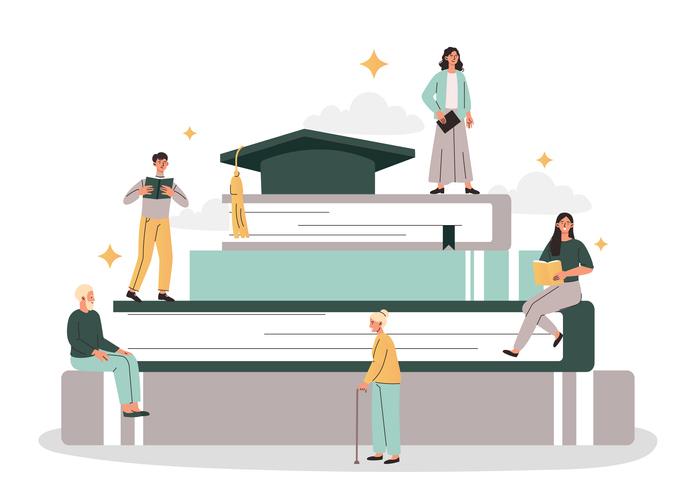
How MOOCs are Revolutionizing Lifelong Learning: Unlocking New Opportunities for Continuous Education
in today’s fast-paced world, the need for continuous education and lifelong learning has never been greater. Traditional classroom education, while valuable, often cannot keep pace with the rapid advancements in technology and evolving job markets. Enter the age of MOOCs—Massive Open Online Courses—a game-changing solution transforming how peopel across the globe access knowledge and upskill throughout their lives. In this article, we’ll explore how MOOCs are revolutionizing lifelong learning, opening new doors for personal growth, career advancement, and global education equity.
What Are MOOCs? Understanding the Basics
Massive Open online Courses, commonly known as MOOCs, are online courses designed for unlimited participation and open access via the internet. Originating from elite institutions, they now span a variety of providers such as Coursera, edX, Udemy, and FutureLearn, offering subjects from artificial intelligence to creative writing.
- Open Access: Anyone,anywhere with internet access can enroll.
- Scalable Learning: Courses accommodate thousands, even millions, of learners simultaneously.
- High-Quality Content: many MOOCs are curated by top universities and industry experts.
How MOOCs are Transforming Lifelong Learning
MOOC platforms have democratized education, making high-quality learning resources accessible beyond traditional academic boundaries. Here’s how they are at the forefront of the lifelong learning revolution:
1. Flexibility and Convenience
- Self-Paced Learning: Learners can progress at their own speed, fitting study around work and personal commitments.
- Mobile Accessibility: Many MOOCs offer apps and mobile-optimized platforms, enabling study on-the-go.
- No Geographic Barriers: Access course content globally, removing the need for physical location constraints.
2. Diverse Course Offerings
MOOCs cover a vast array of disciplines, from computer science and business management to arts, humanities, and language learning. Whether you’re seeking beginner courses or advanced specialization, there’s a MOOC for every learner.
3. Affordable and Sometimes Free Education
- Cost-Effective: Most MOOCs are free to audit,with optional fees for certification or additional resources.
- Financial Accessibility: No tuition, travel, or accommodation costs—ideal for learners with limited resources.
4. Credentialing and Career Advancement
Many MOOCs now offer professional certificates, micro-credentials, and even full online degrees.Earning a verified certificate can bolster your resume and aid career progression, while employers increasingly recognize these credentials.
Benefits of MOOCs for Lifelong learners
- Personalized Learning Experience: Use interactive quizzes, peer assessments, and adaptive content to tailor learning.
- Access to World-Class Educators: Attend lectures from globally recognized professors and industry leaders.
- Networking Opportunities: Join global communities and forums to connect with fellow learners and professionals.
- Up-to-Date Knowledge: Stay current with emerging trends and the latest advancements in your field.
- Career Transition Support: Switch industries or acquire new skills relevant to a changing job market.
Practical Tips for Making the Most of MOOCs
- Set Clear Learning Goals: Determine why you’re taking a course—career advancement, personal interest, or professional development.
- Create a Study Schedule: block regular time slots each week to stay disciplined and motivated.
- Engage with the Community: Participate in discussion forums,study groups,and peer reviews to enrich your learning experience.
- Mix and Match Course Providers: Explore different platforms to find courses best meeting your needs and learning style.
- Apply Your Learning: Enhance retention by practicing skills and sharing knowledge with others.
Case Studies: Real-World Impact of MOOCs
Empowering Career Changers
Jane Smith, a mid-career professional, leveraged MOOCs from Coursera and LinkedIn Learning to transition from journalism to digital marketing. After completing a series of micro-credentials, she secured a new role, thanks to her updated skill set and verified certificates.
Global Education Equity
In Rwanda, a group of students gained access to MIT-level computer science content through edX, equipping them for local tech startup jobs. MOOCs bridged the gap between local education and global standards, helping communities thrive in the digital age.
First-Hand Experience: A Learner’s Perspective
“Taking MOOCs allowed me to build skills I never thought possible from home. the flexibility to learn at my pace, combined with the quality of instruction, made it feel like I had a university right at my fingertips.”
– Daniel, Data Science Enthusiast
Future Trends: The Next chapter for MOOCs and Continuous Education
- Integration with AI and Adaptive Learning: Personalized learning paths and smart feedback for higher retention.
- Greater Industry Collaboration: Courses co-developed with top companies for real-world relevance.
- Micro-Degrees and Stackable Credentials: Modular learning leading to recognized qualifications.
- Continued focus on Accessibility: More courses in diverse languages and formats for people with disabilities.
As technology evolves, so will the reach and power of MOOCs, further solidifying their crucial role in lifelong learning and continuous education worldwide.
conclusion: Embrace the MOOC Revolution for Lifelong Learning
The rise of MOOCs has fundamentally transformed the landscape of education, empowering learners around the globe to pursue lifelong learning and unlock new opportunities for personal and professional growth. Whether you’re upskilling for your career, exploring new hobbies, or seeking to stay relevant in a dynamic workforce, MOOCs offer an unparalleled gateway to continuous education—flexible, affordable, and accessible. Embrace the MOOC revolution, and take control of your learning journey today!