
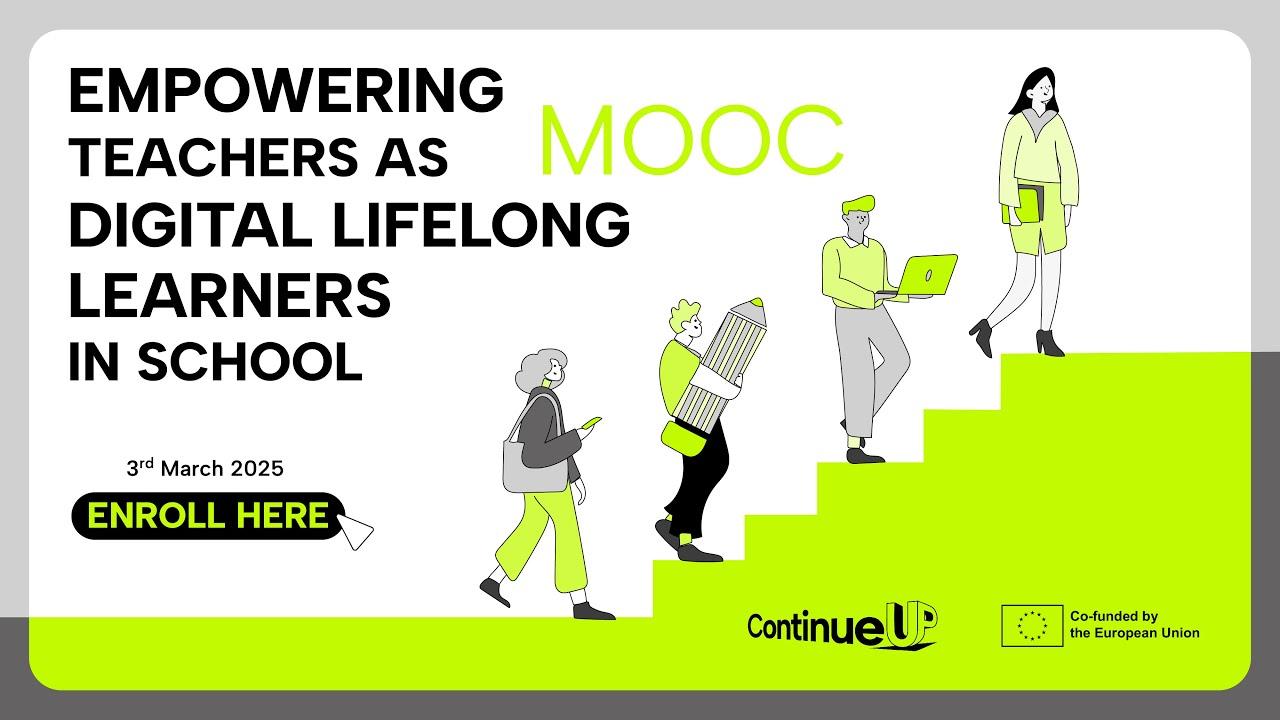
How MOOCs Are Revolutionizing Lifelong Learning: Unlocking Opportunities for Continuous Education
In today’s ever-evolving digital landscape, the need for continuous education and upskilling is more critical than ever. MOOCs—Massive Open Online Courses—are at the forefront of this educational revolution, breaking down barriers and empowering individuals to become lifelong learners.But what exactly makes MOOCs so impactful, and how can you leverage their potential for personal and professional growth? Let’s dive in.
What Are MOOCs? Understanding the Foundation of Modern learning
MOOCs, or Massive Open Online Courses, are open-access online courses offered by renowned universities, organizations, and educators worldwide. Platforms such as Coursera, edX, Udemy, and FutureLearn have democratized education by providing high-quality learning opportunities to anyone with an internet connection.
- No geographical restrictions
- Accessible at any time, from any device
- Often free or available at minimal cost
- Wide range of subjects—from data science to personal development
the Rise of Lifelong Learning: Why Continuous Education Matters
Rapid technological advancements, evolving job markets, and the rise of the gig economy have made lifelong learning indispensable. Today, acquiring a degree is no longer the endpoint of education; rather, continuous learning has become a career-long necessity.
Continuous education provides learners with:
- Career advancement by updating skills and knowledge
- Personal growth through discovery and exploration of new subjects
- Adaptability to shifting industry trends and technological changes
- Empowerment in making informed decisions and unlocking new opportunities
How MOOCs Are Revolutionizing Lifelong Learning
MOOCs are at the heart of the lifelong learning movement, offering unprecedented access to knowledge and skills development. Here’s how they are truly transforming the educational landscape:
1. Accessibility beyond Borders
MOOCs dissolve traditional boundaries, granting learners from any location access to courses that were once exclusive to elite universities. This global reach nurtures inclusive education and equips individuals from diverse backgrounds with practical expertise.
2. Flexible Learning Tailored to Busy Lives
- Self-paced Learning: Learners can study at their own speed, fitting education around work and family commitments.
- Micro-credentials: Many MOOCs offer certificates and ‘microdegrees,’ enabling targeted learning for specific skills.
- Modular Courses: Users can pick and choose content that aligns with their goals, without committing to multi-year programs.
3. high-Quality Content from Leading Institutions
Top universities—such as Harvard, MIT, and Stanford—offer MOOCs, ensuring world-class instruction from leading experts. Interactive video lectures, real-world projects, and discussion forums make learning dynamic and engaging.
4. Affordable Learning for All
Traditional education can be cost-prohibitive. In contrast, most MOOCs are free to audit, with optional certificates offered at a fraction of the price of campus-based programs. this affordability democratizes access to education for everyone.
5. Networking & Global Collaboration
MOOCs connect learners worldwide. Discussion forums, peer assessments, and collaborative assignments foster knowledge sharing, cultural awareness, and global perspectives.
Key Benefits of MOOCs for Lifelong Learning
- Expansive Course Library: Choose from thousands of online courses spanning a myriad of fields and industries.
- Career Upskilling: Stay relevant by learning the latest digital, technical, and soft skills needed in today’s job market.
- Verified Certificates & Credentials: Strengthen your resume or LinkedIn profile with recognized certificates from top institutions.
- Learning Community: Participate in forums and global classrooms to exchange ideas and collaborate on projects.
- Personal Enrichment: Explore new hobbies and passions, from languages to music and creative writing.
- Accessibility for Diverse Learners: MOOC platforms often provide subtitles, multiple languages, and resources for learners with disabilities.
Case Studies: Real-World Impact of MOOCs
Case Study 1: Upskilling for Career Change
Sarah, a mid-career professional, wanted to pivot into data science. By completing the “Data Science Specialization” on Coursera, she gained the technical skills needed to land her first job as a data analyst. MOOCs allowed her to study after work and earn recognized certificates to showcase her proficiency to employers.
Case Study 2: Improving Rural Access to Higher Education
Ravi, living in rural India, had limited access to advanced education. Through edX, he enrolled in computer science and entrepreneurship courses, connecting with mentors and peers globally.MOOCs empowered him to launch a accomplished freelance web development business.
Case Study 3: Lifelong Learning as a Retirement Goal
Maria, a retired teacher, turned to MOOCs to explore philosophy and art history. She credits online courses with keeping her intellectually engaged and socially connected through discussion boards and virtual study groups.
Practical Tips to Maximize Your MOOC Learning Experience
- Set Clear Learning Goals: Know what you want to achieve—be it a job promotion, career change, or personal enrichment.
- Choose the Right Platform: Compare MOOC platforms for content quality, instructor reputation, course structure, and user support.
- Allocate dedicated Study time: Treat MOOCs like traditional courses—block out study hours and avoid multitasking.
- Engage with the Community: Participate in discussions, join study groups, and connect with fellow learners to deepen understanding.
- Apply What You Learn: Complete assignments, work on real-world projects, and implement new skills in your daily or professional life.
- Pursue Certificates If Needed: Certificates are optional, but can add value to your resume and professional profile.
First-Hand Experience: A Lifelong learner’s Viewpoint
“I started my journey with MOOCs during the lockdown. Initially, I was skeptical about online learning. But a few courses from top instructors gave me practical skills in digital marketing that I immediately applied to my business. Over time, I developed a learning habit, and now, each new MOOC feels like opening a door to opportunities I hadn’t imagined before.”
– Priya S., Small Business Owner
Conclusion: Embracing the Future of Lifelong Learning
The era of continuous education is here, and MOOCs are the key drivers of this change. By bridging gaps in access,affordability,and versatility,MOOCs are making lifelong learning a reality for millions worldwide. whether you seek career advancement, personal enrichment, or just the joy of discovery, embracing MOOCs can unlock new opportunities and keep your skills sharp for the future.
Ready to embark on your lifelong learning journey? Explore top MOOC platforms today and invest in your growth—because the pursuit of knowledge never truly ends.