
How MOOCs Are Shaping the Future of Lifelong Learning
The world of education is transforming at an unprecedented pace, fueled by technological innovation and the growing need for accessible learning opportunities. At the heart of this revolution are MOOCs—Massive Open online Courses—reshaping how individuals pursue personal and professional growth. In this article, we’ll explore how MOOCs are influencing the future of lifelong learning, their key benefits, real-world impact, and strategies for making the most of them.
What Are MOOCs?
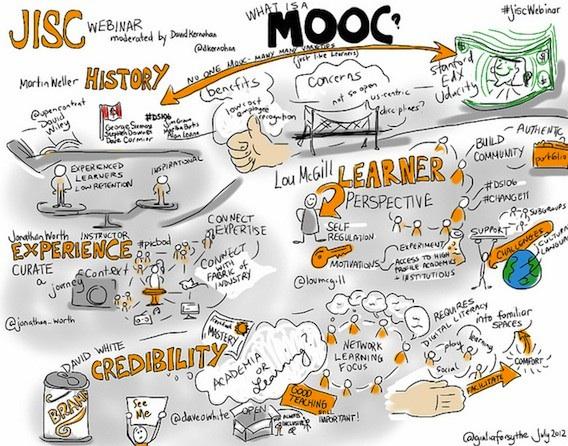
MOOCs, or Massive Open Online Courses, are online classes designed to reach a wide audience via the internet. They are typically free or low-cost and offered by top universities, educational platforms, and industry leaders worldwide. By enabling flexible, on-demand learning, MOOCs break down traditional barriers to education, making lifelong learning accessible to anyone, anywhere.
- Massive: Enroll thousands,even millions,of learners globally.
- Open: No prerequisites or barriers to entry for most courses.
- Online: Fully accessible from any device 24/7.
- Courses: Cover a wide range of subjects, from computer science to beliefs.
Why Are MOOCs Significant for Lifelong learning?
lifelong learning is essential in today’s rapidly changing world. New technologies, evolving job requirements, and the need for personal development drive individuals to continuously update their skills. MOOCs provide the versatility, scalability, and versatility needed to support this ongoing educational journey. Here’s why MOOCs are game changers in lifelong education:
Benefits of MOOCs for lifelong learners
- Accessibility: Learn from world-class instructors and institutions, regardless of location or financial resources.
- Flexibility: Study at your pace, on your schedule—perfect for busy professionals and parents.
- Personalization: Choose from thousands of topics to tailor learning according to your needs and interests.
- Affordability: Most courses are free or considerably cheaper than traditional education programs.
- Career advancement: Earn verified certificates or micro-credentials that boost your resume and job prospects.
- Community: Engage with global learners, participate in discussions, and gain diverse perspectives.
Major MOOC Platforms Leading the Way
The MOOC landscape is enriched by platforms that partner with top universities and industry giants. Here are a few leading providers:
| Platform | Key Features | Popular Courses |
|---|---|---|
| Coursera | University partnerships,accredited certifications,professional certificates | Data Science,Project Management,Language Learning |
| edX | MicroMasters programs,academic rigor,industry endorsements | Business Analytics,Computer Science,Lasting Development |
| Udemy | Instructors from all over the world,practical and hobbyist courses | Photography,Web Development,Personal Finance |
| FutureLearn | Social learning environment,short courses,degree programs | Creative Arts,Healthcare,Education |
How moocs Are Revolutionizing Learning
MOOCs are not merely a supplement to traditional education; they are redefining how,when,and why people learn throughout their lives. Here’s how:
- Democratizing Education: MOOCs offer access to quality learning resources to anyone with internet connectivity.
- Fostering Self-Directed learning: Learners independently choose what, when, and how to learn, boosting motivation and engagement.
- Supporting career Transitions: Professionals can re-skill or up-skill efficiently to adapt to workforce changes.
- Encouraging Global collaboration: MOOCs bring together students and experts from across the world, creating vibrant learning communities.
- Innovating Pedagogy: Technologies like adaptive learning, peer assessments, and interactive content enhance the educational process.
Case Study: Career Conversion Through MOOCs
Meet Maya, a marketing specialist who wanted to transition into data analytics. Facing limited local resources and a full-time job, Maya turned to MOOCs. She completed a series of Coursera data science courses, earning a professional certificate.networking via course forums, she landed freelance projects and, within a year, secured a role as a data analyst at a global company. Maya’s story is just one of thousands showcasing how MOOCs fuel real-world career advancement.
practical Tips for Maximizing Your MOOC Experience
Ready to dive into the world of MOOCs and boost your lifelong learning journey? Here are practical strategies for making MOOCs work for you:
- Define Your Goals: Clarify what skills or knowledge you hope to gain—career promotion,hobby,or academic pursuit?
- Choose the Right platforms: Research MOOC platforms that align with your learning style and needs.
- Set a Consistent Schedule: Allocate regular time each week to study and participate in course activities.
- Engage with the Community: Participate in discussion forums and connect with peers for support and networking.
- Track Your Progress: Keep a learning log and celebrate key milestones to maintain motivation.
- Apply Your Learning: Look for ways to implement new skills instantly—whether through projects, work assignments, or volunteering.
- Earn and Showcase Certificates: Attain recognized credentials to validate your learning on your resume or LinkedIn profile.
Challenges and Future Trends of MOOCs
While MOOCs have transformed access to education, challenges persist. Not all moocs offer recognized accreditation, and some learners struggle with course completion rates. Though, the MOOC model continues to evolve:
- Micro-Credentials and Digital Badges: Short, stackable certifications that can be combined for comprehensive qualifications.
- Greater Industry Collaboration: Partnerships with employers ensure courses are relevant to real workforce needs.
- Enhanced Learning Technologies: AI-driven personalization and virtual classroom experiences improve engagement and effectiveness.
- Global Accessibility: Languages options and mobile access bring learning to underserved regions.
MOOCs and the Continuous Reinvention of Lifelong Learning
As workplace demands evolve, the ability to adapt and acquire new skills becomes essential. MOOCs empower individuals to take control of their learning destinies. By embracing lifelong learning through thes platforms, anyone can unlock new opportunities regardless of age, background, or location.
Conclusion: Embracing the Future With MOOCs
MOOCs have fundamentally shifted the educational landscape, fostering a culture of lifelong learning that is more inclusive, accessible, and responsive than ever before.Whether you’re seeking career advancement,personal fulfillment,or simply the joy of discovering something new,MOOCs offer the tools and community to help you thrive.Embrace the MOOC movement today and shape your future—one course at a time.