
How MOOCs Are Transforming Lifelong Learning: Key Benefits and Opportunities
In today’s rapidly evolving world, the concept of lifelong learning has never been more important. as technology advances and industries shift, individuals must continuously acquire new skills to stay relevant and competitive. Massive Open Online Courses, or MOOCs, have emerged as a groundbreaking response to this need, democratizing education and making high-quality learning experiences accessible to millions around the globe. In this article, we’ll explore how MOOCs are transforming lifelong learning, the key benefits they bring, and the exciting opportunities they open up for learners of all ages and backgrounds.
What Are MOOCs?
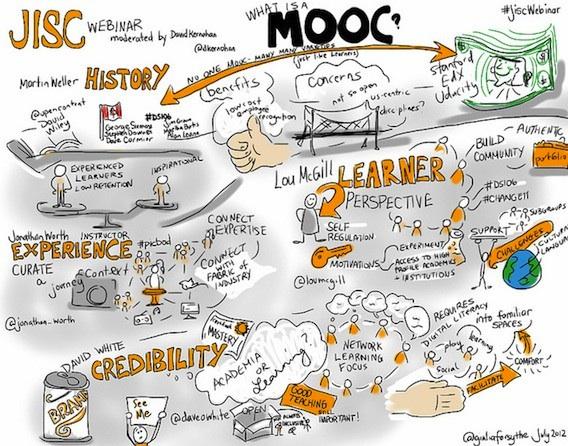
moocs (Massive Open Online Courses) are online courses designed to accommodate a large number of participants and are typically offered for free or at a low cost.Developed by top universities and institutions, platforms like Coursera, edX, Udemy, and FutureLearn deliver courses spanning a wide range of subjects, from computer science and business to language learning and creative arts. Unlike traditional classroom-based education,MOOCs harness digital technology to provide flexible,self-paced learning that fits into virtually any schedule.
MOOCs and the Lifelong Learning Revolution
lifelong learning is about ongoing, voluntary, and self-motivated pursuit of knowledge. The rise of MOOCs has supercharged this trend, enabling anyone, anywhere, to access world-class educational resources. Here’s how MOOCs are reshaping lifelong learning:
- Accessibility: Anyone with an internet connection can access MOOC content anytime, anywhere in the world.
- Affordability: Many moocs are free, and paid options are considerably less expensive then traditional degree programs.
- Versatility: Self-paced modules and a variety of learning formats (video lectures, quizzes, discussion forums) allow learners to study at their own pace and in their preferred style.
- Variety of subjects: MOOCs cover a broad spectrum of topics, from data science to philosophy, offering courses that suit hobbyists, professionals, and academics alike.
- Global Community: MOOCs foster interaction with learners and instructors from diverse backgrounds, enhancing cross-cultural communication and networking opportunities.
Key Benefits of MOOCs for Lifelong Learners
MOOCs are not just for students. Professionals seeking to upskill, career changers, and retirees looking to explore new passions all find value in these platforms.Here’s why MOOCs are a game-changer for lifelong learning:
1. Personalized Learning experiences
MOOCs offer adaptive content and customizable learning paths. with features like interactive quizzes, peer review, and personalized feedback, learners can focus on areas that matter most to them.
2. Professional Development & career Advancement
Earning certifications from reputable institutions through MOOCs can boost resumes and LinkedIn profiles. Many employers now recognize these credentials, especially in fields like IT, business analytics, and digital marketing.
3. Skill Gap Bridging
As automation and AI disrupt the job market, MOOCs help individuals quickly learn new skills and adapt to changing industry demands, supporting workforce mobility and resilience.
4. Community and Collaboration
Discussion forums, peer assessments, and group projects make learning interactive and social, simulating a classroom environment and combating the isolation of online study.
5. Responsive to Current Trends
MOOCs are constantly updated to reflect new advancements in technology, business, and science. This ensures learners always have access to the latest knowledge and best practices.
Opportunities Unlocked by MOOCs
Besides offering individual benefits,MOOCs are also opening up broader opportunities for organizations and communities:
- Corporate Training: Companies can partner with MOOC providers to upskill employees efficiently,reducing training costs and supporting talent development.
- Global Education Initiatives: NGOs and governments leverage MOOCs to deliver essential skills training in underserved regions and promote digital inclusion.
- Academic Credit: Some MOOCs offer pathways to university credits, enabling learners to advance toward degrees or professional certifications at their own pace.
- Entrepreneurship: Aspiring entrepreneurs can access resources on business management, marketing, and finance to start and grow their ventures.
Practical Tips for Getting the Most from MOOCs
To maximize the benefits of MOOCs for lifelong learning, consider these actionable tips:
- Set clear learning goals: Determine what skills or knowledge you want to acquire before enrolling.
- Create a study schedule: Allocate dedicated time each week to stay consistent and complete your courses.
- Engage with the community: Participate in discussion forums to connect with peers, ask questions, and share insights.
- Apply what you learn: Engage in hands-on projects or assignments to reinforce your understanding and practical skills.
- Showcase your achievements: Add certifications to your professional profiles and portfolio to highlight your continuous learning commitment.
Case studies: MOOCs Making a Real-World Impact
Empowering Mid-Career Professionals
Susan, a project manager in her forties, used MOOCs to learn about data analytics. By completing several courses on Coursera and earning a micro-credential, she successfully transitioned to a new role as a Business Analyst within her company—without returning to university.
Accessing Ivy League Education
In rural India,Rakesh leveraged free MOOCs from Harvard and MIT via edX to explore computer science. He connected with global learners, built his coding skills, and secured a remote internship with a US-based startup, all from his village home.
Challenges and the Future of MOOCs in Lifelong Learning
While MOOCs offer numerous advantages, it’s critically important to be aware of potential challenges:
- Low completion rates: self-paced learning demands high self-motivation; many learners do not finish their courses.
- Digital divide: Access to high-quality internet and devices remains a barrier in some regions.
- Recognition of credentials: While improving, MOOC certifications aren’t universally recognized, especially in regulated professions.
Nevertheless, advancements in adaptive learning, community engagement, and partnerships between MOOC providers and employers are steadily addressing these issues. Looking ahead, lifelong learning via MOOCs is poised to become even more inclusive, adaptive, and influential in shaping the future workforce.
Conclusion
MOOCs are ushering in a new era of accessible, flexible, and affordable lifelong learning. Weather you’re a student, a professional seeking to reskill, or an enthusiast exploring a new passion, MOOCs offer a wealth of resources designed to empower learners at every stage of life. By leveraging the benefits of MOOCs and embracing the opportunities they provide, you can stay curious, relevant, and equipped to handle the demands of a dynamic world. The change is not just about acquiring skills—it’s about adopting a mindset of growth and continuous betterment. Now is the perfect time to join this lifelong learning revolution!