
How MOOCs Are Transforming Lifelong Learning: The Evolving Role of Online Education
In the digital age, the pursuit of knowledge no longer ends with formal education. lifelong learning has become a necessity for personal and professional growth. Massive Open Online Courses (MOOCs) are at the forefront of this revolution, offering accessible, flexible, and high-quality education to millions worldwide. But how exactly are MOOCs transforming lifelong learning,and what is their evolving role in online education? Let’s explore this intriguing evolution.
The Rise of MOOCs in Online Education
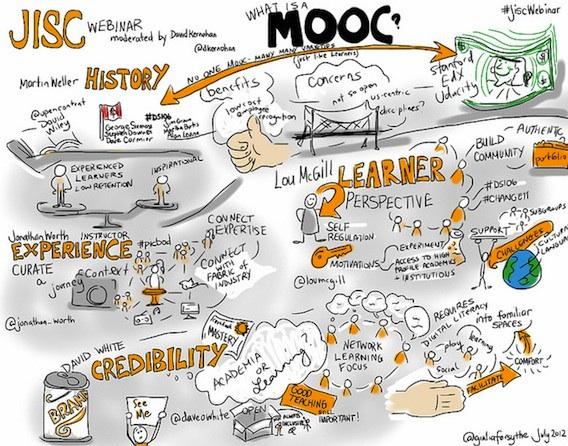
MOOCs, or Massive Open Online Courses, emerged in the early 2010s as a disruptive force in higher education. Leading platforms such as Coursera, edX, Udacity, and FutureLearn have democratized access to education by partnering with top universities and organizations to deliver content online. The core features that distinguish MOOCs from other online courses are:
- Massive: Designed to enroll thousands—or even millions—of learners globally at once.
- Open: Most courses are open to anyone, nonetheless of location or background.
- Online: Accessible via the internet, allowing flexible learning from any device.
- Courses: Structured learning paths with lectures, quizzes, assignments, and forums.
The benefits of MOOCs for Lifelong Learners
MOOCs are revolutionizing lifelong learning by breaking down traditional barriers to education.Here’s how:
1. Accessibility and Inclusivity
- Anyone with an internet connection can access quality education from top universities worldwide.
- MOOCs often provide a range of language options and accessibility accommodations, making learning more inclusive.
2. Flexibility and Self-Paced Learning
- Courses are available 24/7, allowing learners to study at their own pace, on their own time.
- Self-paced schedules enable working professionals, parents, and students to balance education with other responsibilities.
3. Diverse course Offerings
- MOOCs cover a wide array of subjects, from computer science and data analysis to art history and personal development.
- Continuous addition of new courses keeps content fresh and relevant.
4. Affordable or Free education
- many MOOCs are free to audit,while paid options usually cost a fraction of traditional tuition fees.
- Financial aid and scholarships are frequently enough available for those in need.
5. Networking and Community Building
- Forums, discussion boards, and project collaborations connect learners across borders and backgrounds.
- Opportunities to engage with instructors and industry professionals.
How MOOCs Are transforming the learning Landscape
The impact of moocs on lifelong learning and the broader field of online education cannot be overstated. Here are several ways MOOCs are driving change:
Changing Perceptions of Online Credentials
Major employers are increasingly recognizing MOOC certificates, micro-credentials, and even full online degrees. This shift is encouraging more professionals to invest in lifelong learning through MOOCs to remain competitive.
Catering to the Modern Workforce
- moocs are designed for upskilling and reskilling, offering courses in trending fields like artificial intelligence, data science, digital marketing, and more.
- Learners can pursue specializations and professional certificates that equip them with job-ready skills.
Fostering Personalized and Adaptive education
- Interactive technology enables personalized learning experiences through adaptive quizzes, peer grading, and instant feedback.
- Tailored recommendations guide learners to relevant courses based on their progress and goals.
Supporting Social and Collaborative Learning
- Discussion forums and peer-reviewed assignments offer social learning opportunities that mimic traditional classrooms.
- Global virtual communities foster cross-cultural exchange and networking.
Real-World Case Studies
To highlight the tangible effects of MOOCs,let’s look at a few inspiring case studies:
Case Study 1: Career Switch through Data Science MOOCs
Sarah,a marketing professional from Brazil,completed a series of data analytics moocs on Coursera.Armed with new skills and accredited certificates, she successfully transitioned into a data analyst role at a multinational firm, demonstrating the career-transforming potential of MOOCs.
Case Study 2: Lifelong Learning in Retirement
John, a retired teacher in the UK, used MOOCs on FutureLearn to explore his passion for philosophy and creative writing. Not only did he find intellectual stimulation, but he also joined online communities that provided a sense of belonging and camaraderie.
Case Study 3: Upskilling for In-Demand Tech Jobs
Indian developers utilized edX’s MicroMasters programs to upskill in AI and machine learning, earning lucrative positions in startups and global tech companies without leaving their hometowns.
First-Hand Experiences: Voices from MOOC Learners
“Completing online courses through MOOCs not only improved my technical skills but also taught me how to manage my time and collaborate with people across different cultures. It was a game-changer for my career.”
— Priya S.,Software Engineer
“I never thought learning at my own pace could be so rewarding. The flexibility of MOOCs fits perfectly into my busy schedule as a parent and entrepreneur.”
— Marcus L., Small Business Owner
Practical Tips for Maximizing Your MOOC Experience
Ready to start your lifelong learning journey with moocs? Here are some tips to help you succeed:
- Set Clear Goals: Define what you want to achieve—whether it’s acquiring a new skill, earning a professional certificate, or exploring a hobby.
- Choose the Right Platform: Compare features, course selections, and support options among leading MOOC websites.
- Stay organized: create a study schedule,set reminders,and track your progress to stay motivated.
- Engage with Peers: Join discussion boards, group projects, and social learning communities to enhance your experience.
- Seek Feedback: Participate in peer reviews and ask for constructive criticism to improve your understanding.
- Apply Your learning: Use course projects and assignments to practice real-world applications of your new skills.
The Future of Online Education and lifelong Learning
As technology evolves,MOOCs will continue to innovate. Expect to see:
- More personalized and adaptive learning paths powered by artificial intelligence.
- Integration of virtual and augmented reality for immersive learning experiences.
- Recognition of more online credentials by employers and academic institutions.
- Growing partnerships between MOOCs and industry leaders to offer up-to-date, relevant curricula.
Conclusion
MOOCs are transforming lifelong learning by making education accessible, flexible, and relevant in the digital age.Whether you’re a professional seeking to upskill, a retiree exploring new interests, or a student preparing for future opportunities, online education offers a world of possibilities at your fingertips. By embracing MOOCs,learners everywhere can take charge of their own educational journeys—anytime,anywhere.
Ready to embark on your lifelong learning adventure? Explore the best MOOCs today and unlock your full potential!