
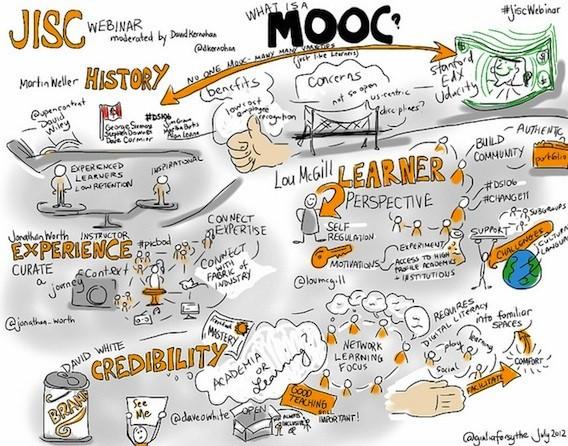
How MOOCs are Transforming Lifelong learning: The Vital Role of Online Courses
In the digital age, learning is no longer confined to classroom walls or college campuses. Thanks to Massive Open Online Courses (MOOCs), anyone with an internet connection can access high-quality education from top universities and leading experts around the globe. This leap in educational accessibility is sparking a revolution in lifelong learning—enabling individuals to upskill, reskill, and remain competitive in a rapidly changing job market. in this comprehensive article, we’ll explore how MOOCs are transforming lifelong learning, the crucial role of online courses, real-world case studies, and practical strategies to maximize online education.
What Are MOOCs?
MOOCs, or Massive Open Online Courses, are online courses designed for unlimited participation and open access via the web. First popularized by platforms such as Coursera, edX, and Udacity, MOOCs cover a wide array of subjects—from computer science and business to the arts and humanities. These courses frequently enough include video lectures, readings, assessments, discussion forums, and interactive learning modules.
- Accessibility: Anyone, anywhere, can enroll—usually for free or at a very low cost.
- Versatility: Learn at your own pace and schedule,making it ideal for working professionals,parents,and lifelong learners.
- Variety: Thousands of courses are available, covering almost any subject imaginable.
The Evolution of Lifelong Learning in the Digital age
The traditional path of attending school, graduating, and settling into a lifelong career is becoming a thing of the past. Today’s world demands continuous skill development and adaptability. With technological advancements and the rise of the gig economy, upskilling and reskilling have become essential for career growth and personal development.MOOCs play a vital role in making ongoing education accessible, affordable, and practical for everyone, irrespective of age or previous educational experience.
The Vital Role of Online Courses in Lifelong Learning
Online courses, especially MOOCs, are at the heart of the lifelong learning movement. Here’s how they’re making a lasting impact:
1. Bridging Skill Gaps
As industries transform,job requirements shift quickly. MOOCs allow learners to swiftly acquire new skills in areas such as data science, AI, digital marketing, and project management. These skills can be directly applied to current roles or open doors to new career opportunities.
2. Breaking Down Financial and Geographical Barriers
Traditional education often comes with hefty price tags and limited access. MOOCs democratize education by eliminating travel costs, tuition fees, and entry restrictions, making world-class instruction available to all.
3. Fostering Personalized Learning
Every learner is unique. With self-paced modules,discussion forums,and a vast array of resources,online courses can be tailored to fit personal learning styles and goals—leading to better knowledge retention and engagement.
4. Encouraging Social and Collaborative learning
Many MOOCs incorporate community forums and peer-reviewed projects, enabling learners around the globe to connect, share insights, and solve problems collaboratively—mirroring real-world work environments.
Key Benefits of MOOCs for Lifelong Learners
- Affordability: Most MOOCs are free to audit, with optional paid certificates for those seeking verification and recognition.
- Career Advancement: Professional certificates, micro-credentials, and nanodegree programs can bolster resumes and open new job prospects.
- Updated Knowledge: Online courses are routinely updated to reflect the latest industry trends and best practices, ensuring learners stay relevant.
- Networking Opportunities: Global forums connect learners with professors, industry leaders, and peers, creating valuable professional networks.
- Self-motivation and Autonomy: Lifelong learning via MOOCs builds independence, critical thinking, and the discipline required in modern workplaces.
Case Studies: Real Impact of MOOCs on Lifelong Learning
1. Career transitions
Maria’s Story: After working for a decade in retail, Maria wanted to switch to digital marketing. Through a series of MOOCs on content strategy, SEO, and analytics, she built a portfolio and landed a new role in a marketing firm—all without returning to traditional school.
2. Upskilling in the Workplace
TechCorp Example: A mid-sized software company partnered with major MOOC platforms to offer employees courses on cloud computing and cybersecurity.As a result, teams rapidly adopted new technologies, improved project delivery, and gained industry certifications.
3. Personal Growth & Hobby Learning
Anil’s Experience: Anil, a retiree, embraced MOOCs in art history and creative writing. The flexibility and engaging content helped him pursue long-held interests, connect with like-minded learners, and even publish poetry online.
Practical Tips for Maximizing Your Online Learning Experience
- Set Clear Goals: Define exactly what you want to achieve by taking a MOOC—personal enrichment, career change, certification, or skill enhancement.
- Create a Study Schedule: Dedicate specific times for learning each week to develop consistency and discipline.
- Participate Actively: Engage in discussion forums, group projects, and peer reviews to maximize learning and networking.
- Apply What You Learn: Seek real-world applications for new knowledge through projects, case studies, or workplace tasks.
- Leverage Platform Features: Use mobile apps, downloadable content, and accessibility features to study on the go.
- Invest in Certificates: Consider purchasing a verified certificate if you need official proof of learning for employers or your personal record.
Future Trends: The Next Frontier of MOOCs and Lifelong Learning
The landscape of online education is fast-evolving. Here are some emerging trends shaping the way MOOCs will impact lifelong learning in the years to come:
- Micro-Credentials: Modular, stackable qualifications that can be combined toward degrees or new career pathways.
- AI-Powered Personalized Learning: Adaptive algorithms can tailor learning paths based on individual strengths, weaknesses, and preferences.
- Virtual and Augmented Reality: Immersive learning experiences for fields such as healthcare, engineering, and the arts.
- Collaborations with Employers: More companies are partnering with MOOC platforms to deliver up-to-date training for their workforce.
Conclusion: Embrace the Power of Online Courses for Lifelong Learning
The rise of MOOCs and online courses has ushered in a new era of lifelong learning—where anyone, regardless of background or location, can pursue personal and professional growth. By breaking down traditional barriers and providing flexible, affordable, and up-to-date education, MOOCs are empowering millions to stay relevant, competitive, and fulfilled in a rapidly changing world. Whether you’re aiming to advance your career, learn a new skill, or simply satisfy your curiosity, online courses are the key to unlocking your lifelong learning journey. Now is the perfect time to explore the world of MOOCs and online education—your future self will thank you for it!