
How MOOCs Are Transforming Lifelong Learning: unlocking Flexible Education for All
Teh rise of Massive Open online Courses (MOOCs) has redefined how education is accessed, breaking down barriers, and empowering learners worldwide. Explore how MOOCs are revolutionizing lifelong learning and unlocking flexible education for all.
Introduction: The Evolution of Learning in the Digital Age
In recent years, education has experienced a seismic shift, transitioning from traditional classrooms too digital, globally connected platforms. Massive Open Online Courses (MOOCs) have emerged at the forefront of this change, providing unprecedented access to high-quality education for anyone, anywhere, and at any time. As lifelong learning becomes essential in today’s fast-paced world, MOOCs are now seen as pivotal tools for personal and professional growth. In this article, we’ll dive deep into the impact of MOOCs, their benefits, and how they foster a culture of lifelong learning.
What Are MOOCs?
MOOCs are online courses designed to be accessible to a large number of participants via the internet. Developed by top universities and leading organizations, MOOCs offer courses ranging from computer science and business management to art history and personal progress. Major MOOC platforms like Coursera, edX, Udacity, and FutureLearn have become household names, offering flexible, affordable, and accessible education pathways for millions.
- Free or low-cost: Many MOOCs are entirely free, or offer affordable certificates for completion.
- No prerequisites: Most courses are open to anyone, regardless of prior educational background.
- Self-paced: Flexible schedules let learners progress at their own speed.
- Interactive: Features like video lectures, quizzes, community forums, and peer-assessed assignments enhance the learning experience.
Benefits of MOOCs for Lifelong Learning
MOOCs have democratized education, offering a wide range of advantages for individuals seeking to improve their skills or pivot into new careers. Here’s why MOOCs have become integral to lifelong learning:
1. Adaptability and Convenience
- Study Anytime, Anywhere: With MOOCs, learners can access courses from any device, fitting study time around work, family, or other commitments.
- Self-Paced Learning: move faster through familiar material and spend more time where it’s needed most.
2. Accessibility and Inclusivity
- Global Reach: Learners from remote or underserved areas now access world-class education once reserved for the privileged few.
- Multilingual Support: Many platforms offer subtitles, transcripts, and even courses in several languages.
3. Affordability
- Low-Cost Education: MOOCs provide free access to course materials, considerably reducing the financial burden of learning.
- Value-Added Certifications: Paid certificates allow learners to showcase their achievements to employers and peers without accruing student debt.
4. Wide Variety of Subjects
- Interdisciplinary Learning: Choose from thousands of courses covering everything from artificial intelligence to philosophy.
- Continuous Upgrading: Stay relevant with the latest advancements in rapidly changing fields.
5. Peer Networking and Collaboration
- Global Community: Engage with like-minded learners around the world through discussion forums and peer-reviewed projects.
- Professional Connections: Join online communities, alumni networks, and even connect with instructors from leading institutions.
How MOOCs Are Unlocking Flexible Education for All
The transformative power of MOOCs lies in their flexibility and wide-reaching accessibility. Here’s how they’re opening up opportunities for all:
- Tailored Learning Paths: Whether you are a working professional, student, or retiree, you can build a personalized learning journey.
- Microcredentials and Nano Degrees: Stackable certifications and short programs offer targeted skill development, recognized by industry leaders.
- Lifelong Skill Development: From digital literacy to advanced programming, MOOCs support continual upskilling and reskilling.
- Bridging the Skills Gap: Help address workforce shortages by providing practical, job-ready training in high-demand sectors.
“Today’s job market values skills over degrees, and MOOCs are at the center of this new education paradigm.” — World Economic Forum
Case Studies: Real-Life Impact of MOOCs on Lifelong Learners
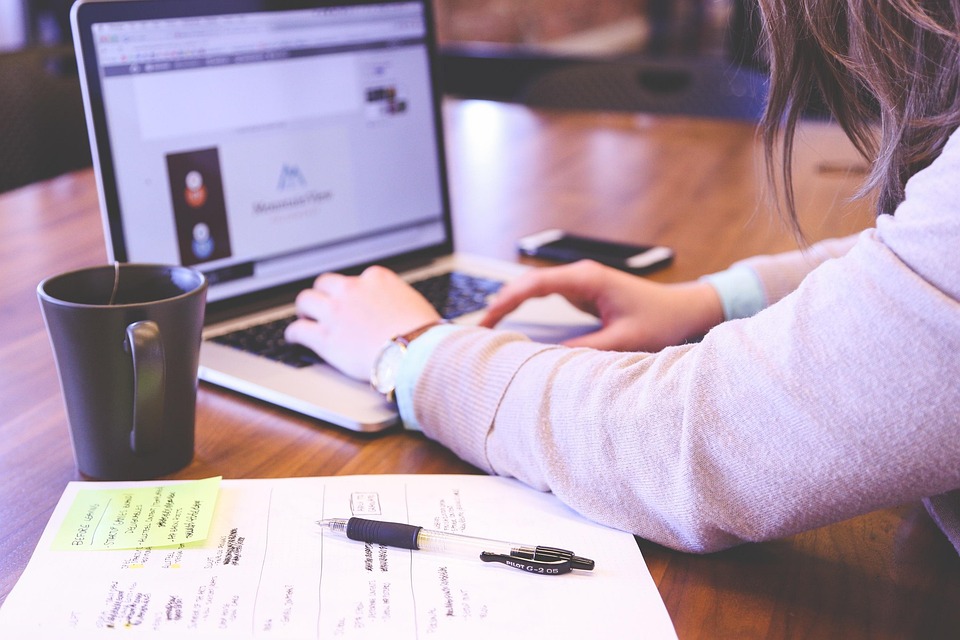
case Study 1: Upskilling While Working
Priya, a marketing manager in India, wanted to transition into digital marketing. Using MOOCs, she completed a Professional Certificate in Digital Marketing from a top university while working full-time. The flexibility of self-paced modules and affordable certification allowed her to upskill at her own pace, leading to a accomplished career shift.
Case Study 2: Closing the Gender Gap
A non-profit in Kenya partnered with several MOOC platforms to offer free courses in STEM to young women. As a result, participants gained scholarships and entry-level positions in the tech sector, showcasing MOOCs’ potential to drive inclusivity and bridge gender gaps in traditionally male-dominated industries.
Case Study 3: Supporting Retirees and Seniors
John, a retired engineer in Canada, discovered a passion for art history through MOOCs. These courses not only kept his mind active but also connected him with fellow learners globally, proving that lifelong learning isn’t limited by age or profession.
Practical Tips to Maximize Your MOOC Experience
- Set Personal Goals: Define clear objectives for each course to stay motivated.
- Create a Learning Schedule: Block regular study times to maintain consistency.
- Engage with the Community: Ask questions, participate in forums, and collaborate on assignments.
- Utilize Supplementary Resources: Explore recommended readings, videos, and additional exercises.
- Apply Learning to Real-Life Scenarios: Implement new skills in your current job or volunteer initiatives.
- Don’t Be Afraid to Experiment: Try courses outside your comfort zone to broaden your horizons.
Frequently Asked Questions about MOOCs and Lifelong Learning
- Are MOOCs recognized by employers?
- Many employers value MOOC certificates and micro-credentials, especially for technical and digital skills. Look for industry partnerships on platforms for added credibility.
- Do MOOCs offer academic credit?
- Some MOOCs offer credit-bearing options or pathways to accredited degrees, particularly through partnerships with universities.
- Are MOOCs suitable for beginners?
- Yes! Most MOOCs are designed for a broad audience,with introductory and advanced courses alike.
Conclusion: Shaping the Future of Global Education
The impact of MOOCs on lifelong learning is undeniable. by making education more accessible, flexible, and affordable, MOOCs empower individuals of all backgrounds to pursue knowledge, enhance skills, and adapt to a rapidly evolving world.Whether seeking career advancement, personal enrichment, or social connection, MOOCs unlock educational opportunities for all.
As technology continues to bridge distances and break down educational barriers,lifelong learning through MOOCs will remain at the heart of personal and societal progress. Now is the perfect time to explore, enroll, and embrace the world of open online learning—your journey to lifelong success starts today.
Ready to start learning? Browse top MOOCs on Coursera and edX now.