
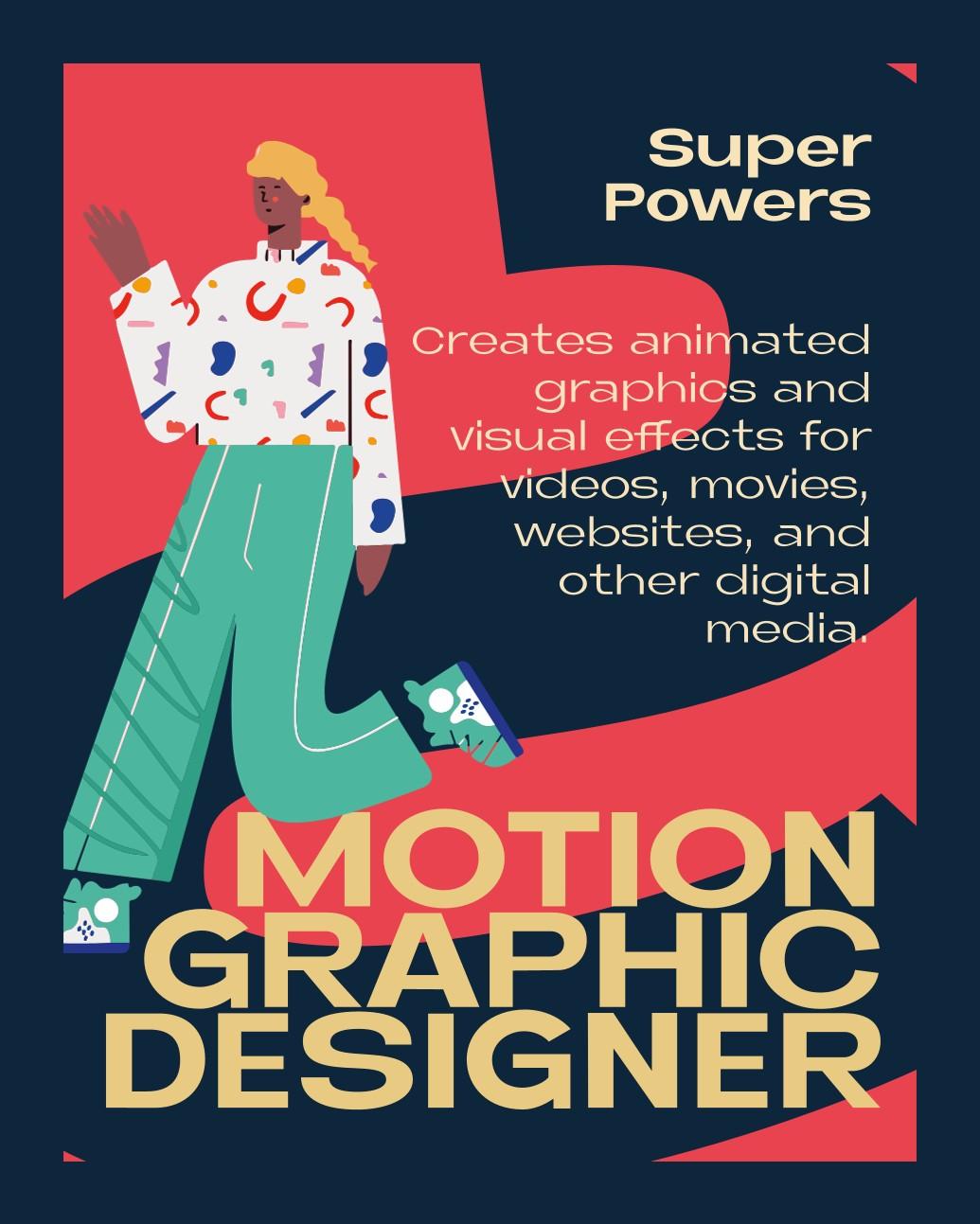
How Motion Graphics Designers Elevate E-Learning: Skills, Roles, and Impact
In the contemporary landscape of education technology, motion graphics designers have carved out a pivotal role, transforming how data is conveyed and retained across universities, colleges, and schools. If you’re a job seeker interested in e-learning positions in academia, understanding the influence and requirements of these creative professionals can be your gateway to a rewarding career. This article dives into how motion graphics designers elevate e-learning,their essential skills,common responsibilities,impact on learning outcomes,and practical tips to join this dynamic field.
Introduction: The Importance of Motion Graphics in E-Learning
With the rapid shift towards digital learning platforms, institutions are striving for engaging, interactive, and visually rich content. Motion graphics—animated visual elements that illustrate complex concepts—are at the core of this effort. For students, faculty, and educational technology teams, these graphics bridge the gap between abstract theory and practical understanding, making learning experiences more memorable and accessible. Motion graphics designers, therefore, play a crucial part in educational digital content creation, from online courses to interactive modules.
Key Skills Required for Motion graphics Designers in Education Technology
To excel as a motion graphics designer in the academic sector,mastery of technical and soft skills is vital. Universities,colleges,and schools seek professionals who can blend artistic creativity with educational relevance.Here are the most in-demand competencies:
- Proficiency in Design Tools: Expertise in Adobe After Effects, Premiere Pro, Illustrator, Photoshop, and other animation software.
- understanding of Typography and Visual Hierarchy: Ability to communicate information clearly and effectively using visual elements.
- Storyboarding Skills: Capability to outline concepts and create logical, instructional progressions for motion graphics.
- Knowledge of Educational Pedagogy: Awareness of how different learners absorb content, enabling designs tailored to diverse audiences.
- Collaboration: Experience working with instructional designers, educators, and multimedia teams to align graphics with curriculum goals.
- Attention to Detail: Precision in animation timing, transitions, and consistency with branding guidelines.
- Time Management: Ability to handle multiple projects on tight deadlines common in academic settings.
- Adaptability: Willingness to learn new technologies and respond to evolving digital education trends.
Roles and Responsibilities: What a Motion Graphics Designer Does in Academia
Motion graphics designers contribute to various e-learning formats, shaping the educational experience for students and instructors alike. typical roles include:
- course Content Animation: Creating animated introductions,explainer sequences,and visual aids for online lectures and tutorials.
- Interactive Learning Modules: Designing interactive simulations, quizzes, and scenario-based animations that foster engagement and active learning.
- Instructional Video Production: Collaborating on recorded lectures, webinars, and promotional materials using dynamic visuals and motion effects.
- Branding and Visual Identity: Aligning educational content graphics with school branding, ensuring consistency across platforms and materials.
- Feedback and Revisions: Iterating on designs based on educator input and student feedback to enhance clarity and effectiveness.
- Accessibility Enhancements: Designing graphics that are inclusive, such as subtitles, color contrast management, and clear icons for diverse learners.
The Impact of Motion Graphics on E-Learning Outcomes
The integration of motion graphics has been proven to significantly boost learning outcomes in academic settings.Here’s how:
- Enhanced Engagement: Animated visuals stimulate interest and excitement, reducing learner fatigue and promoting active participation.
- Improved knowledge Retention: Concepts depicted visually through motion are easier to comprehend and recall, especially for complex subjects.
- Facilitation of Abstract Ideas: Through animation,educators can break down elaborate topics—such as scientific processes or past events—into digestible sequences.
- Wider Accessibility: Motion graphics can cater to different learning styles and needs, including visual, auditory, and kinesthetic learners.
- Support for Remote Learning: As online education grows, motion graphics make digital courses more engaging, helping students stay motivated in virtual environments.
Benefits of Becoming a Motion Graphics Designer in Education Technology
Pursuing a motion graphics designer role in universities, colleges, or schools offers unique professional benefits, including:
- Meaningful Impact: Contribute to the future of education by enhancing how students learn and interact with content.
- Creative Freedom: Opportunities to experiment and innovate with visual storytelling and animation techniques.
- Diverse work Environments: Collaborate in academic settings ranging from classroom projects to institution-wide digital initiatives.
- Career Growth: expand your skill set in educational technology, opening doors to instructional design, curriculum progress, and leadership positions.
- Job Stability: With the increasing adoption of e-learning solutions, educational institutions are continuously seeking talented designers.
Practical Tips for Aspiring Motion Graphics Designers in Education
If you’re aiming for a career as a motion graphics designer in academic e-learning, consider these actionable steps:
- Build an Educational Portfolio: Include samples tailored for online courses, learning modules, and student engagement projects to showcase relevant expertise.
- Stay Updated on EdTech Trends: Follow advancements in learning technologies (such as augmented reality, AI-powered teaching tools, and virtual classrooms) to keep your skills competitive.
- Network with Academic Professionals: Join educational technology communities and attend webinars or academic conferences to connect with potential employers.
- Take Online Courses: Explore modules in instructional design, educational psychology, and user experience to supplement your technical abilities.
- Emphasize soft Skills in applications: Highlight collaboration, communication, and adaptability when seeking jobs in universities, colleges, or schools.
- Understand Accessibility Guidelines: Familiarize yourself with standards such as WCAG (Web Content Accessibility Guidelines) to ensure your work serves all students.
- Seek Feedback and Iterate: Share versions of your work with educators and learners, applying constructive feedback to improve future projects.
career Pathways and Advancement Opportunities
The field of motion graphics within education technology is multifaceted, offering various progression routes:
- Junior Motion Graphics Designer: Entry-level positions involve supporting senior designers and contributing to smaller projects.
- Senior Designer/Animator: Lead animation projects with greater autonomy and supervise collaborative teams.
- Instructional Designer: Leverage experience with motion graphics to plan and structure entire e-learning courses or modules.
- Multimedia Manager: Oversee digital content strategies for institutions, guiding teams and managing e-learning initiatives.
As universities, colleges, and schools continue to invest in digital transformation, motion graphics designers will see new opportunities in research, curriculum innovation, and even educational technology startups.
Conclusion: The Future of Motion Graphics in Academic E-Learning
Motion graphics designers are redefining how institutions deliver engaging, effective, and inclusive learning experiences. Their blend of artistry, technical acumen, and understanding of pedagogical principles drives e-learning forward—making education more interactive and accessible for all.
If you’re looking to make your mark in education technology, equipping yourself with motion graphics expertise can set you apart in today’s competitive job market. By mastering relevant skills,embracing lifelong learning,and understanding the unique needs of academic environments,you can play a vital role in shaping the future of e-learning at universities,colleges,or schools.
Start your journey today—turn your creativity into a catalyst for educational change!