
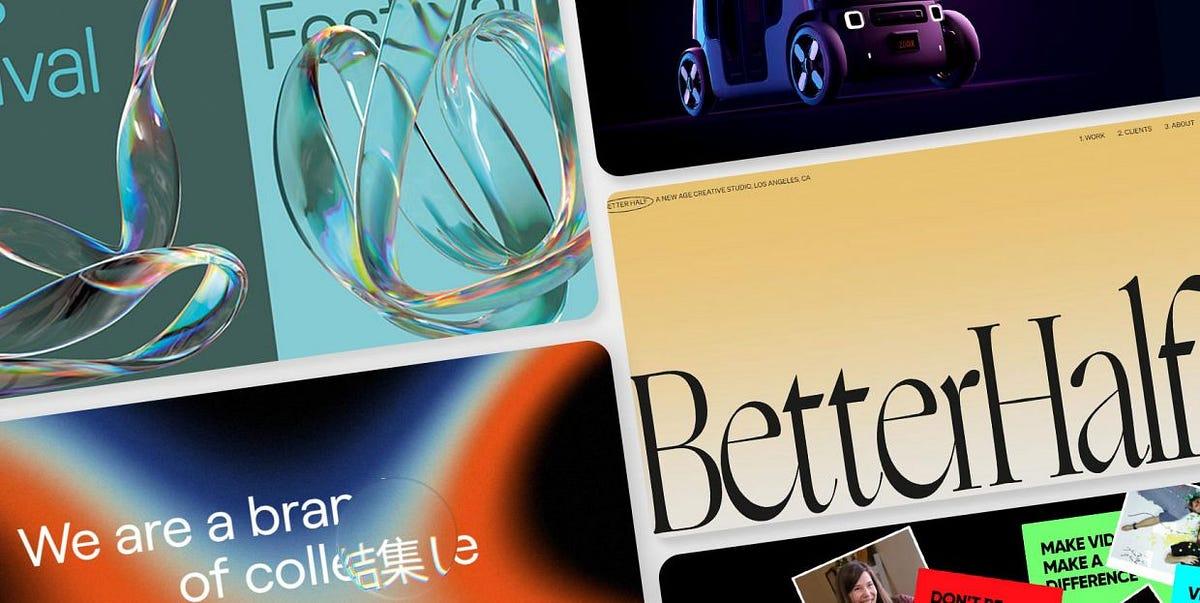
How Motion Graphics Designers Transform E-Learning Experiences
The rapid evolution of education technology is reshaping the way universities, colleges, and schools approach digital learning. At the heart of this change are motion graphics designers—creative problem solvers who blend art and technology to make complex educational content accessible, engaging, and memorable. If you’re interested in finding a rewarding job in education technology, understanding the pivotal role of motion graphics designers in e-learning can set you on the path to success.
Introduction to Motion Graphics in E-Learning
Motion graphics are animated visual content used to communicate ideas, explain concepts, and enhance storytelling. In the context of e-learning, motion graphics designers use animation, typography, and dynamic visuals to bring educational materials to life. Their work is crucial at universities, colleges, and schools that are committed to delivering impactful online learning experiences.Whether it’s illustrating scientific processes,visualizing ancient events,or simplifying mathematical theories,motion graphics make learning interactive and fun.
The Role of Motion Graphics Designers in Education technology
Motion graphics designers in education technology (EdTech) are responsible for creating visually compelling instructional materials that cater to diverse learning styles. Their expertise enables institutions to produce courses that are not only informative but also visually engaging. here’s how their contribution is transforming the field:
- Visual Storytelling: By turning complex information into relatable animations, motion graphics designers make lessons more understandable and memorable.
- Accessibility: Motion graphics can simplify challenging content for students who might struggle with conventional teaching methods, ensuring inclusivity.
- Interactivity: Designers incorporate interactive elements, such as animated quizzes, infographics, and simulations, fostering active participation.
- Branding and Consistency: Educational institutions maintain a unique and professional look across their digital platforms thanks to cohesive graphic design.
Key Responsibilities of Motion Graphics Designers in E-Learning
If you’re considering a job as a motion graphics designer in academia or EdTech, you’ll likely be involved in:
- Collaborating with instructional designers, subject matter experts, and educators to conceptualize animated content.
- Developing storyboards and prototypes for interactive modules, explainer videos, and digital assets.
- Animating educational content using tools like Adobe After Effects, Premiere Pro, and other motion graphics software.
- Adapting graphics for diverse platforms, including mobile apps, video lectures, online courses, and virtual learning environments.
- Ensuring accessibility and inclusivity by adhering to visual standards and universal design principles.
Why Motion Graphics Matter in modern Education
- Boosts Retention: Animated visual aids promote better comprehension and improve knowledge retention among students.
- Encourages Self-Paced Learning: Dynamic content allows students to engage at their own pace,catering to different learning speeds and preferences.
- Engages Digital Natives: Today’s learners are accustomed to high-quality digital content. Motion graphics meet their expectations,making courses more attractive and relevant.
- Supports Remote Learning: Interactive visuals provide a bridge for students learning outside the classroom, making abstract concepts more tangible.
Benefits of Being a Motion Graphics Designer in Education
A career as a motion graphics designer in education offers unique rewards,including:
- Creative Fulfillment: Apply artistic skills in a meaningful way,shaping the future of education with compelling visuals.
- Strong Demand: As e-learning continues to grow, so does the need for talented motion graphics designers within universities, colleges, and schools.
- Continuous Learning: Work with cutting-edge tools and technologies, and stay updated with the latest trends in animation and instructional design.
- Collaboration: Engage with educators, technologists, and other creative professionals, building a diverse skill set.
- Job Adaptability: Many positions offer opportunities for remote work, contract-based projects, or full-time roles in both public and private educational institutions.
Essential Skills for Motion Graphics Designers in E-Learning
Aspiring motion graphics designers seeking roles in education technology should develop a blend of creative and technical skills:
- Design principles: Mastery of color, composition, typography, and branding consistency.
- Animation Software: Proficiency in Adobe Creative Suite (After Effects, illustrator, Premiere pro) and other animation tools.
- Storyboarding: The ability to translate educational content into visual narratives.
- Instructional Design Collaboration: Understanding pedagogical goals and how animation supports different learning outcomes.
- interaction: Effectively conveying ideas to educators and collaborating with interdisciplinary teams.
- Problem-Solving: Adapting designs based on feedback, technical constraints, or learner needs.
Practical Tips to Succeed as a Motion Graphics Designer in Education Technology
-
Build a Focused Portfolio:
Create a portfolio showcasing animation work relevant to education—such as explainer videos, learning modules, or animated infographics.
-
stay Updated with EdTech Trends:
Follow blogs, webinars, and online courses to understand emerging learning technologies and standards in e-learning.
-
Emphasize Accessibility:
Make sure your graphics are accessible to all learners, including those with visual or auditory impairments, by using captions, alt text, and clear visuals.
-
Network within the educational Community:
Attend EdTech conferences, join educational organizations, and connect with educators to understand their unique challenges and how motion graphics can help solve them.
-
Collaborate and Communicate:
Be open to feedback and willing to modify your animations to better align with instructional objectives.
-
Showcase Impact:
If possible, gather metrics or testimonials that demonstrate how your designs improved student engagement or learning outcomes.
Career Opportunities for Motion Graphics Designers in Academic Settings
With the rise of digital learning, motion graphics designers are in demand in a variety of educational environments:
- Universities and Colleges: Produce interactive lectures, research animations, and massive open online courses (MOOCs).
- K-12 Schools: develop engaging multimedia lessons for younger learners and support teachers with visual aids.
- Online Learning Platforms: Collaborate on mobile learning apps, curriculum modules, and virtual classrooms.
- EdTech Companies: Work on educational games, simulations, and instructional resources delivered worldwide.
For job seekers interested in education technology careers, having expertise in motion graphics not only broadens your professional scope but also aligns you with the future of learning.
Conclusion: The Future of E-Learning is Visual
As educational institutions continue to embrace technology,the impact of motion graphics designers in e-learning is only expected to grow. These creative professionals are redefining how knowledge is shared and absorbed—making digital lessons more vibrant, inclusive, and effective. If you’re passionate about visual storytelling and seek a job that blends creativity with purpose, consider pursuing a role as a motion graphics designer within universities, colleges, or schools’ education technology teams. Your skills can make a measurable difference in shaping engaging, accessible, and future-focused learning experiences for students everywhere.
Start building your portfolio, sharpen your animation skills, and join a thriving community of educators and technologists who are transforming the world of e-learning one frame at a time.