
How Online Learning Platforms Are Revolutionizing Education in 2025: Key Trends and Innovations
Online learning platforms have dramatically transformed the educational landscape over the last decade, and in 2025, their impact has reached new heights.Technology-driven innovations have democratized access, personalized learning experiences, and equipped learners of all ages with tools for success.In this comprehensive article, we’ll explore how online learning platforms are revolutionizing education in 2025 by examining key trends and innovations, uncovering benefits, sharing practical tips, and highlighting inspiring cases.
Major Trends Shaping Online Learning Platforms in 2025
The speed at which digital learning evolves is astounding. Let’s delve into the most significant trends characterizing online learning this year:
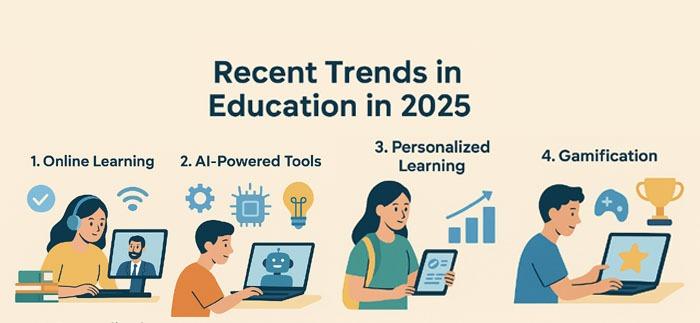
1. Artificial intelligence and Adaptive Learning
- Personalized Learning Analytics: AI-driven algorithms track student progress in real time, suggesting tailored content and exercises too strengthen weak areas.
- Bright Tutors: Virtual assistants and chatbots provide instant feedback, answer questions, and guide learners—almost mimicking a one-on-one experience.
- Automated assessment Tools: Adaptive quizzes and assignments automatically adjust difficulty based on individual performance, maximizing engagement.
2. Immersive Technologies: Virtual Reality (VR) and Augmented Reality (AR)
- Interactive Classrooms: Students attend virtual lessons in 3D environments, engage in lab simulations, and participate in collaborative group projects remotely.
- Field Trips and Hands-On Practice: VR and AR enable explorations—from ancient history sites to complex engineering systems—making learning tangible and fun.
3. Microlearning and modular courses
- Just-in-Time learning: Bite-sized content allows users to learn at their own pace,review modules when needed,and track their progress seamlessly.
- Stackable Credentials: Learners can earn micro-certificates for completed modules, which together build towards recognized qualifications—a flexible approach for upskilling.
4.Social and Collaborative Learning
- Peer-to-Peer Interaction: Online forums, study groups, and video chats foster a sense of community even when students are geographically dispersed.
- Group Projects and Crowd-sourced Curriculum: Learners contribute to content and assessment creation, ensuring relevance and engagement.
5. Gamification and Motivation
- Rewards and Badges: Progress bars,achievement badges,and leaderboards motivate learners to set goals and celebrate milestones.
- Story-Based Courses: Narrative-driven content keeps students engaged while guiding them through educational pathways.
Key Innovations Revolutionizing Digital Education
The evolution of online education platforms hinges on innovative solutions. here are some striking examples making waves in 2025:
- Blockchain for Credential Verification: Secure, tamper-proof digital diplomas and certificates streamline recruitment and admissions processes.
- Real-Time Language Translation: Instant language conversion tools break down barriers, enabling truly global classrooms.
- Accessibility Enhancements: tools like speech-to-text, closed captioning, and customizable interfaces make learning more inclusive for people with disabilities.
- Learning Experience platforms (LXPs): Unlike static LMSs, LXPs provide curated content pathways, integrating resources from various sources and adapting to user preferences.
- Integration of Augmented Analytics: Educators and administrators harness predictive analytics to monitor learner engagement and intervene proactively.
Real-World Case Studies: Online Learning Success stories
EdTech Pioneer: Coursera’s Global Degrees
Coursera partnered with top universities to offer fully-accredited online degrees. In 2025, the platform’s AI-driven personalization and peer-learning tools have resulted in higher completion rates—especially in STEM fields.Working professionals and remote learners now earn industry-recognized qualifications without sacrificing their careers.
VR-Powered STEM Labs: Labster in High School Science
Labster’s virtual science simulations provide practical lab experiences to students worldwide, regardless of their physical location or school resources. Aligned with national curricula, these immersive environments turn complex theory into engaging, hands-on learning, improving both outcomes and retention.
Collaborative Coding: GitHub Classroom
GitHub Classroom empowers computer science educators to set up coding assignments, offer feedback, and encourage teamwork online. Students build real-world skills by working collaboratively on live projects, contributing to open-source repositories, and preparing for future tech careers.
Benefits of Online Learning Platforms in 2025
What makes digital learning platforms so popular among students, educators, and employers alike? Here’s why:
- Accessibility: Learn anywhere, at any time—ideal for remote learners, working professionals, and individuals with mobility challenges.
- Affordability: Lower tuition fees, free resources, and financial aid make education universally accessible.
- Flexibility: Choose from full-time, part-time, and self-paced options to fit any schedule.
- Wide Range of Subject Areas: Study everything from data science and business management to arts, languages, and personal progress.
- Immediate Feedback: Automated assessments and instant grading speed up the learning loop, helping students identify gaps and improve swiftly.
- Continuous Innovation: Platforms constantly update content, features, and support tools to enhance student success.
Practical Tips for Maximizing Your Online Learning Experience
Whether you’re exploring e-learning platforms for the first time or are a seasoned online learner, these tips will elevate your results:
- Set Clear Goals: Define what you want to achieve—certification, skills upgrade, or personal growth—to select the right courses and stay motivated.
- Choose Accredited Platforms: Opt for reputable providers offering recognized qualifications and robust support.
- Establish a Routine: Schedule regular study sessions to maintain consistency and avoid procrastination.
- Participate Actively: Engage in discussions, join groups, and seek feedback to maximize your learning.
- Leverage New Technologies: Explore VR simulations, AI-powered tutors, and collaborative tools for an enriched experience.
- Track Your Progress: Use built-in analytics to monitor your learning and adjust strategies when needed.
First-Hand Experience: Voices from Online Learners in 2025
Digital education isn’t just about technology—it’s about people and stories. Here are real-life reflections from students and educators:
“The personalized learning paths helped me juggle my full-time job and study for my data science degree.The AI feedback was like having a tutor on my schedule!”
— Miguel, Online Graduate Student
“Teaching with VR simulations has transformed my biology classes—the engagement and retention rates are much higher than before!”
— Dr. Amanda Lee, High School Science Teacher
Challenges and the Road Ahead
Despite remarkable progress, some hurdles remain:
- digital Divide: Unequal access to broadband and devices can exacerbate inequalities. Strategic investments are needed to bridge gaps.
- Screen Fatigue and Wellbeing: Prolonged online engagement requires new strategies for mental and physical health.
- Content Quality and Accreditation: Regulation and independent verification are key to maintaining standards in a rapidly expanding market.
As technology continues to advance, collaboration between governments, educators, and EdTech companies will be vital for ensuring equitable access and high-quality learning experiences.
Conclusion: The Future of Education is Here
Online learning platforms have ushered in a new era for education in 2025. From personalized AI-driven experiences and immersive VR classrooms to flexible, accessible, and collaborative learning environments, digital education is now at the forefront of lifelong development. As key trends and innovations continue to reshape the field, both learners and educators are empowered to overcome customary barriers and unlock their true potential.
Whether you’re a student, professional, educator, or stakeholder, embracing the opportunities offered by online learning platforms will ensure you stay ahead in an ever-evolving world of knowledge.