
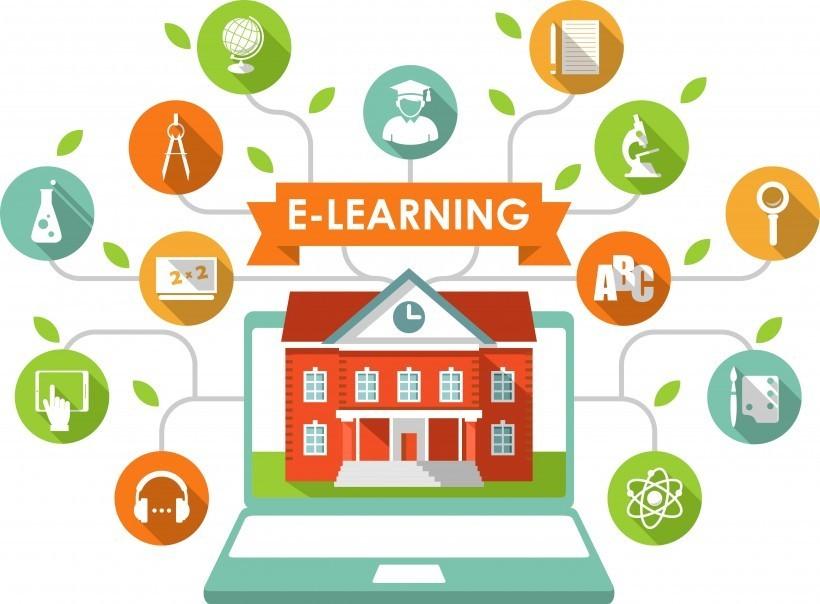
How Online Learning Platforms Are Transforming Education in 2025: The Evolution Unveiled
The landscape of education has undergone a seismic shift in recent years, with online learning platforms leading the charge into a new era of accessibility, personalization, and innovation. As we step into 2025, the way we teach and learn has evolved remarkably, leveraging technology to create powerful educational experiences.In this complete guide, we unveil how online learning platforms are transforming education, reshaping traditional classrooms, and empowering learners across the globe.
Table of Contents
- The Evolution of Online Learning Platforms
- Key Benefits of Online Learning in 2025
- Innovative Features Redefining Education
- Real-World impact: Case Studies
- Practical Tips for Learners and Educators
- The Future of Online Education
- Conclusion
The Evolution of Online Learning Platforms
Online learning platforms have rapidly evolved from simple video lectures to dynamic, interactive ecosystems that offer personalized learning journeys. In 2025, the adoption of artificial intelligence, adaptive learning, and data-driven insights has created an educational landscape where students and teachers thrive beyond the limitations of traditional classrooms.
From Static Content to Dynamic Learning
Early online education consisted mainly of recorded lectures and static assignments.As technology advanced, so did platforms, which now offer:
- interactive simulations and virtual labs
- AI-powered tutoring and feedback systems
- Collaborative project workspaces
- Gamified assessments and leaderboards
These advancements have substantially improved student engagement and learning outcomes, making education more accessible than ever before.
Key Benefits of Online Learning in 2025
The digitalization of education brings numerous benefits for students, educators, and institutions alike. Let’s explore how online learning platforms are transforming education today:
1.Personalized Learning Experiences
- Adaptive technology customizes lesson plans based on each student’s pace and progress.
- AI-driven recommendations suggest supplementary resources tailored to learning gaps.
2. Increased Accessibility & Adaptability
- Remote access eliminates geographic and logistical barriers.
- Learners can study anytime, fitting education around work or family commitments.
3. Cost-Efficiency for Institutions and Learners
- Reduced infrastructure and material costs lower tuition fees or make courses free.
- Open educational resources (OERs) ensure high-quality, budget-amiable materials.
4. Improved Engagement and Retention
- Gamified learning modules make lessons interactive and fun.
- Real-time analytics help educators intervene at critical moments.
5. Global Collaboration
- Virtual classrooms foster interaction between diverse learners worldwide.
- Cross-cultural group projects develop global citizenship and teamwork skills.
Innovative Features Redefining Education
The future of education is being shaped by breakthrough innovations within online learning platforms in 2025. Here are key trends to watch:
AI and Machine Learning Integration
- Intelligent tutoring systems deliver personalized feedback and coaching.
- Data analytics track student progress and predict learning challenges.
Immersive Technologies: AR & VR Classrooms
- Augmented reality (AR) overlays digital details onto the real world for hands-on learning.
- Virtual reality (VR) transports learners to simulated environments, from science labs to historical sites.
Microlearning & Modular courses
- Bite-sized lessons focus on specific skills, ensuring learners master one topic at a time.
- Stackable credentials let students customize their learning pathways and accelerate career advancement.
Blockchain for Credentials and Security
- Digital certificates and transcripts are securely stored on blockchain, reducing fraud and simplifying verification.
Social Learning Ecosystems
- Discussion forums, peer review, and collaborative projects build community and deepen understanding.
Real-World Impact: Case Studies
Real-life examples illustrate the immense potential of online learning platforms in 2025. Here are two compelling case studies highlighting their transformative impact:
Case Study 1: Rural Empowerment Through Digital Education
- Situation: In a remote village in Kenya, access to quality education was limited by distance and resources.
- Solution: An online learning platform provided solar-powered tablets and an offline-capable course library, allowing students to participate in real-time classes and receive personalized feedback.
- Outcome: Test scores improved by 35% within the first year, and high school graduation rates rose dramatically.
Case Study 2: Upskilling Workforce with adaptive Courses
- Situation: A global technology company needed to reskill thousands of employees in AI and data science.
- Solution: They implemented an online learning platform featuring adaptive courses,project-based assessments,and mentors from leading universities.
- Outcome: Employee retention rose by 25%, with 80% of participants earning industry-recognized certifications within six months.
Practical Tips for learners and Educators
To maximize the advantages of online learning platforms, consider these actionable strategies:
For Learners
- Create a dedicated study environment: Choose a quiet, distraction-free space for online courses.
- Set clear goals: Outline your objectives for each course and track progress regularly.
- Engage with the community: Participate in discussions, ask questions, and collaborate with peers.
- Leverage analytics: Utilize platform-provided data to identify strengths and areas for improvement.
- Practice time management: Use schedules and reminders to balance study with other commitments.
For Educators
- Embrace blended learning: Combine synchronous and asynchronous teaching methods for flexibility.
- Utilize multimedia content: Incorporate videos, infographics, and simulations to enhance understanding.
- Offer timely feedback: Use automated quizzes and AI-driven comments to provide instant support.
- Encourage peer-to-peer learning: Design collaborative projects and mentoring sessions.
- continuously upskill: Stay updated on platform features and pedagogical trends to deliver optimal learning experiences.
The Future of online Education
As online learning platforms continue to evolve, their role in democratizing education is set to strengthen further. We can expect:
- Greater personalization: Hyper-adaptive platforms will respond to individual emotional and cognitive needs in real-time.
- Seamless lifelong learning: Education will become a continuous journey, with platforms serving learners of all ages.
- Global partnerships: Increased collaboration between educational providers, employers, and governments.
- Sustainable education: Digital platforms will reduce environmental impact by minimizing physical infrastructure and travel.
The transformative impact of online education in 2025 showcases a future where learning is accessible, engaging, equitable, and lifelong.
Conclusion
The rapid evolution of online learning platforms is a testament to the power of technology in shaping the future of education. In 2025, digital solutions are breaking down barriers, enabling personalized and impactful learning experiences for students and professionals worldwide. As innovations such as AI, immersive technologies, and blockchain become mainstream, education will become more inclusive, efficient, and future-ready.
Whether you are an educator looking to enhance your teaching methods, a student eager to explore new learning horizons, or an association seeking to upskill your workforce, embracing online learning platforms is a strategic move. The journey ahead promises continued growth, equity, and opportunity for all—truly unveiling the next chapter in the evolution of education.