
How Parental Involvement Boosts Social-Emotional Learning Success in Children
In today’s fast-paced world, the importance of Social-Emotional Learning (SEL) cannot be overstated. SEL forms the backbone of children’s ability to understand and manage emotions, set positive goals, display empathy, maintain healthy relationships, and make responsible decisions. A growing body of research shows that parental involvement is a crucial factor in fostering SEL success. This complete article explores how active participation by parents can significantly enhance a child’s social and emotional growth, providing valuable insights, benefits, and actionable tips for families looking to make a real difference.
what is Social-Emotional Learning (SEL)?
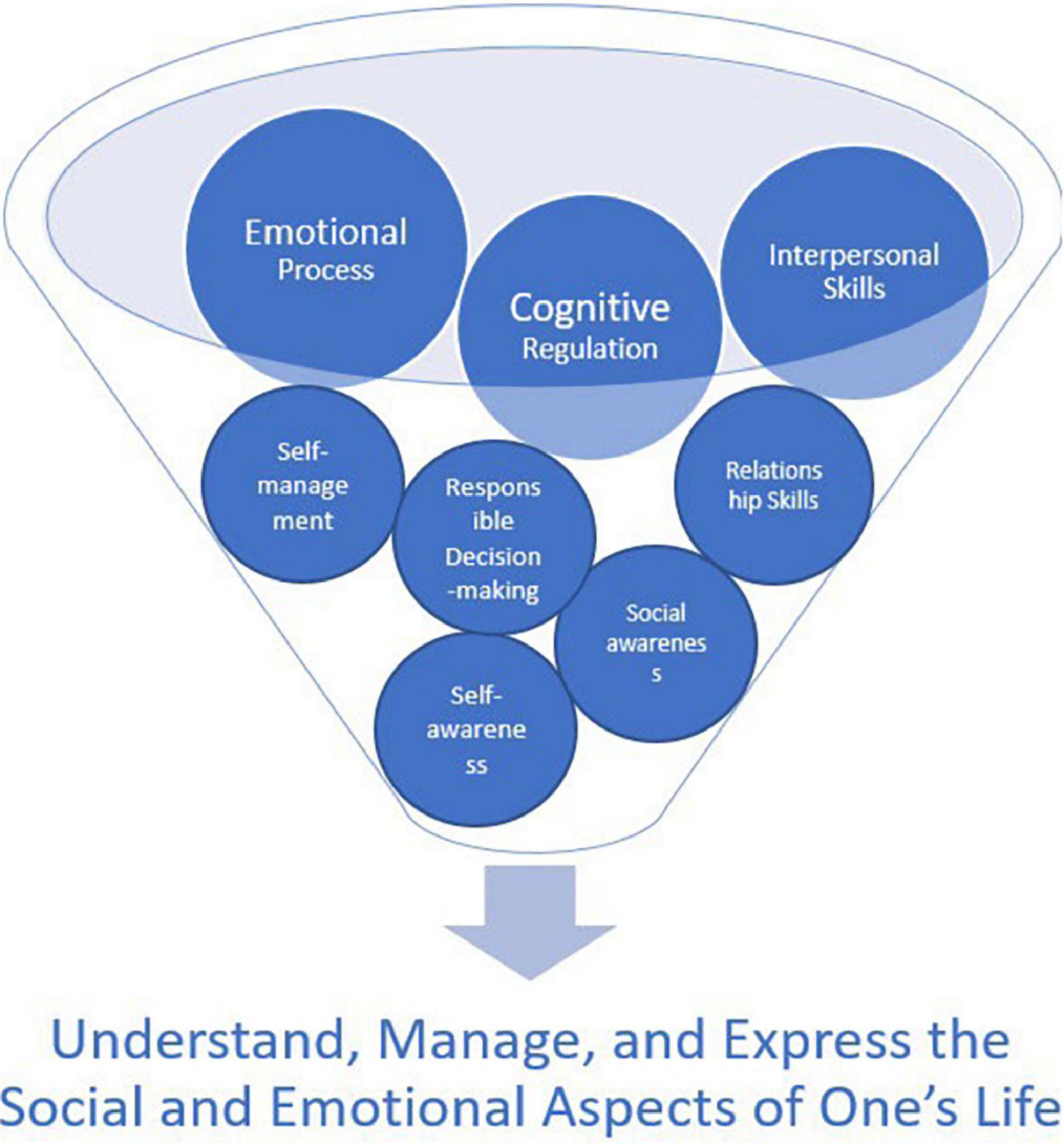
Social-Emotional Learning refers to the process through which children acquire and apply the knowledge, skills, and attitudes required to navigate their social world confidently and responsibly. The core components of SEL include:
- Self-awareness – Recognizing one’s emotions and values.
- Self-management – Regulating emotions and behaviors.
- Social awareness – Showing empathy and understanding others’ perspectives.
- Relationship skills – Building healthy and rewarding connections.
- Responsible decision-making – Making ethical, constructive choices.
SEL lays the foundation for lifelong success, both in academics and personal relationships, and is closely linked with mental health, resilience, and well-being.
The Power of Parental Involvement in Social-Emotional Learning
Children learn best when the adults around them—especially their parents—are actively engaged in their education and development. The role of parental involvement in SEL extends beyond school walls, as daily family interactions shape attitudes, behaviors, and emotional intelligence from an early age.
Why parental Involvement Matters
- Modeling Social-Emotional Skills: Children learn by observing and imitating their parents. When adults manage stress constructively, communicate respectfully, and resolve conflicts calmly, children pick up these essential skills.
- Consistent Support: Parents reinforce what’s being taught at school, ensuring the lessons of social-emotional learning are practiced consistently at home.
- Cultural and value Transmission: Family involvement brings context and cultural relevance to SEL, making it more meaningful for each child.
- Boosted confidence: Children with engaged parents are more likely to express themselves, take healthy risks, and believe in their abilities.
“Parental involvement is the key ingredient that amplifies the effects of social-emotional learning programs, nurturing well-rounded and emotionally intelligent children.” – CASEL (Collaborative for Academic, Social, and Emotional Learning)
Key Benefits of Parental Involvement in SEL
Research highlights several major advantages when parents make a conscious effort to support social-emotional learning at home. Some of the main benefits include:
- improved Academic Performance: Studies show that students with strong SEL skills typically have better grades, higher test scores, and improved classroom behavior.
- Stronger Emotional Regulation: Parental encouragement helps children notice, label, and process their feelings in healthy ways, leading to greater emotional resilience.
- Enhanced Social Skills: Engaged parents coach children through friendships, teamwork, and conflict resolution, enhancing empathy and cooperation.
- Reduced Behavioral Problems: When SEL principles are reinforced at home,children are less likely to engage in bullying,aggression,or disruptive behavior.
- Better Mental Health Outcomes: Active parental involvement is linked to lower rates of anxiety and depression, and higher levels of self-esteem in children.
- Long-Term Success: The social-emotional skills nurtured with parental guidance pave the way for successful,healthy adulthood.
Practical Tips for Parents to Foster Social-Emotional Learning
Integrating SEL into everyday family life doesn’t have to be elaborate. Here are some actionable strategies for parents seeking to boost their child’s social-emotional development:
1. Prioritize Open family Communication
- Encourage children to talk about their feelings by asking open-ended questions.
- Use “emotion words” regularly: Happy, frustrated, proud, worried, excited, etc.
- Listen actively—show empathy and validate your child’s experiences.
2. practise Problem-Solving Together
- Role-play scenarios and brainstorm solutions to common social challenges.
- Guide children to resolve sibling disputes calmly and respectfully.
3. Encourage Self-Regulation techniques
- Teach deep breathing, counting to ten, or taking breaks when upset.
- Model how you handle frustration or disappointment.
4.Show Empathy and Compassion
- Share stories about times you faced difficulties, highlighting how you managed them.
- Volunteer as a family or perform acts of kindness in your community.
5. set realistic expectations and Boundaries
- Discuss family values and set clear rules, but allow space for open dialogue.
- Celebrate progress and effort, not just outcomes.
6.Stay Connected with Teachers and Schools
- Participate in SEL workshops, parent-teacher meetings, and school events.
- Communicate regularly with educators about your child’s social-emotional growth.
Case Studies: Parental involvement Elevating SEL
Case Study 1 – Building Resilience through Family Routines
Consider the Alvarez family, who implemented a daily “feelings check-in” around the dinner table. Over time, their children became more articulate in expressing both positive and negative emotions, leading to fewer sibling arguments and deeper understanding of one another’s needs.
Case Study 2 – Collaborative Problem Solving
In the Lin family, parents created a “calm corner” at home, a safe space for anyone feeling overwhelmed. Children were taught to use coping strategies there, such as listening to music or drawing. Teachers later reported significant improvements in both children’s ability to handle stress and cooperate in group activities.
Case Study 3 – Bridging Home and School
The Johnsons joined a school-led SEL program that included parent workshops. By practicing active listening and empathetic responses at home, their child became a classroom leader—helping peers and fostering positive relationships, as observed by teachers.
Overcoming Challenges: Common barriers and Solutions
While the benefits of parental involvement in social-emotional learning are clear, obstacles do arise. here are some common barriers—and ways to address them:
- Lack of Time: Tip: Integrate SEL into daily routines (e.g., discuss feelings during car rides or bedtime).
- Uncertainty About SEL Concepts: Tip: Utilize available resources—books, webinars, or consult your child’s teachers for guidance.
- Cultural Differences: Tip: Embrace and adapt SEL principles to fit your family’s values and customs.
- Resistance from Children: Tip: Be patient and consistent; acknowledge their effort and recognize incremental growth.
Expert Insights: The Research behind Parental Influence on SEL
According to a report by the Collaborative for Academic, Social, and Emotional Learning (CASEL), children whose parents are engaged in SEL show significantly greater gains in emotional regulation, empathy, and collaboration.The Harvard Graduate School of Education further confirms that SEL practices at home predict higher life satisfaction, healthier peer interactions, and stronger academic engagement.
Supporting your child’s social-emotional growth is a journey—one that’s more impactful when parents and caregivers participate with intention and heart.
Conclusion: your Role Matters in Social-Emotional Learning
Parental involvement in social-emotional learning sets the stage for children to thrive—academically, socially, and emotionally. by modeling positive behaviors, maintaining open communication, and reinforcing SEL skills day-to-day, parents become their children’s most influential teachers. Whether through everyday conversations,supportive routines,or collaborative problem-solving,your efforts matter.
Ready to nurture emotional intelligence and resilience in your child? Start small, stay consistent, and remember: When parents are meaningfully engaged, children’s social-emotional success soars.