
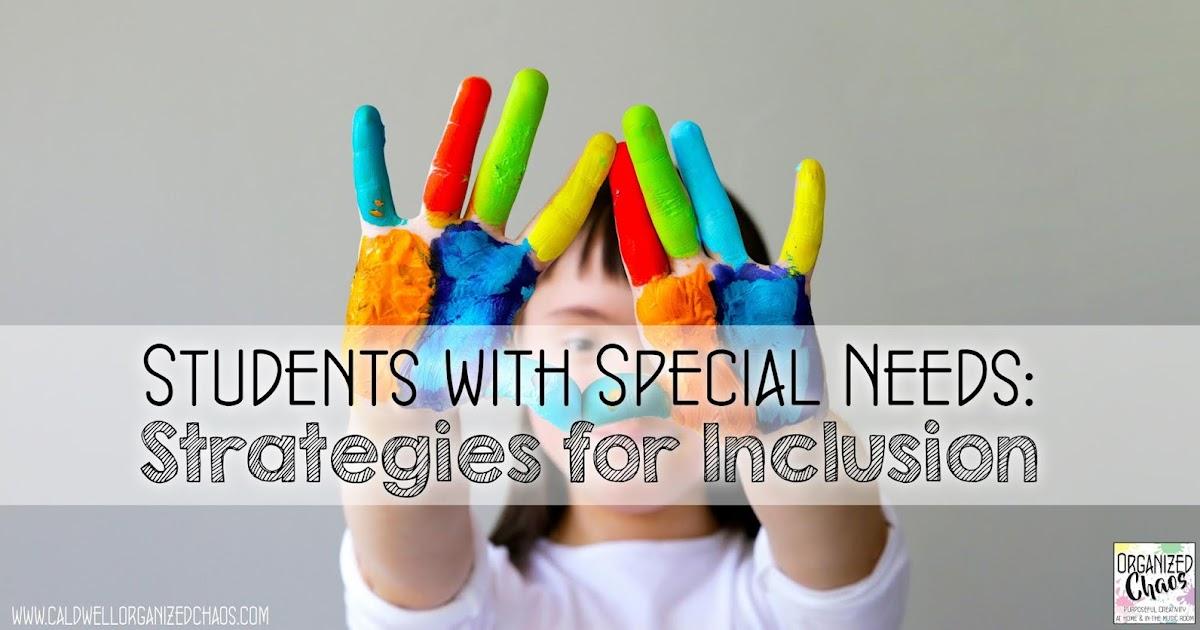
How SEL Empowers Students with Special Needs: Strategies & Benefits
Social-Emotional Learning (SEL) has transformed the educational landscape by fostering essential life skills, resilience, and self-confidence. For students with special needs, SEL is even more critical, providing tailored support that addresses unique challenges and enables every child to thrive.In this complete guide, we’ll explore how SEL empowers students with special needs, discuss impactful strategies, demonstrate measurable benefits, and offer actionable tips for educators and parents. Discover how SEL can be your ally in building inclusive, supportive, and empowering learning environments.
What is Social-Emotional Learning (SEL)?
Social-Emotional Learning (SEL) refers to the process by which individuals, both children and adults, develop the skills to understand and manage emotions, establish healthy relationships, set positive goals, and make responsible decisions. SEL frameworks, such as those outlined by CASEL (Collaborative for academic, Social, and Emotional Learning), emphasize core competencies crucial for success in school and beyond:
- Self-awareness
- Self-management
- Social awareness
- Relationship skills
- Responsible decision-making
For students with special needs — including learning disabilities,developmental delays,autism spectrum disorder,and emotional/behavioral challenges — SEL is not just beneficial,but essential. It creates a pathway for personal growth, social integration, and academic achievement.
Why SEL is Crucial for Students with Special Needs
SEL supports the holistic progress of students with special needs by addressing not only academic outcomes but also emotional and social well-being. Research indicates that SEL programs:
- Reduce behavioral problems and emotional distress
- Increase self-esteem, self-regulation, and motivation
- foster inclusive communities where diversity is valued
- Enhance peer relationships and reduce bullying
- Improve academic performance by strengthening executive function
By integrating SEL into individualized education programs (ieps) and daily routines, educators can provide consistent, meaningful support that meets students at their unique starting points.
Benefits of SEL for Students with Special Needs
Social-Emotional Learning delivers specific advantages for children with a range of disabilities and learning differences. Here are some of the top benefits:
1. Improved Emotional Regulation
SEL helps students identify, express, and manage their emotions, reducing outbursts and providing strategies for coping with frustration, anxiety, or sensory overload. This emotional toolkit is invaluable for children with autism, ADHD, and other neurodiverse conditions.
2. Enhanced Interaction Skills
Through direct instruction and modeling, SEL teaches students how to communicate their needs and desires, improving their ability to interact with peers and adults. This is especially beneficial for students with language and speech challenges.
3. Stronger Social Connections
By practicing empathy and perspective-taking, children with special needs become more adept at building friendships and working collaboratively. SEL activities break down social barriers and encourage inclusion.
4.Increased Confidence and Independence
When students understand and appreciate their unique strengths, self-esteem flourishes. SEL encourages self-advocacy and independence,empowering students to take ownership of their learning and social experiences.
5. Reduced behavioral Issues
SEL frameworks provide proactive behavior supports,allowing students to recognize triggers,self-monitor,and apply coping strategies.This reduces incidents of disruptive behavior and disciplinary referrals.
Effective SEL Strategies for Special Needs Classrooms
Implementing SEL in special education settings requires creativity, flexibility, and individualized approaches. Here are proven strategies to make SEL accessible and impactful for students with diverse needs:
1. Visual Supports & Social Stories
- Use charts, icons, or illustrations to reinforce SEL concepts
- Develop personalized social stories to model expected behaviors in new or challenging situations
2. Scaffolded Role-Playing
- Practice common scenarios through guided role-play, gradually increasing independence
- Provide scripts and prompts for students who struggle with spontaneous expression
3.Incorporate Sensory Breaks and Mindfulness
- Implement calming routines like deep breathing, stretching, or quiet spaces
- Teach mindfulness practices to tune into emotions and develop self-awareness
4. Peer Modeling and Buddy Systems
- Pair students with supportive peers for collaborative activities
- Foster friendships and positive role models through inclusive group work
5. Personalized Goal Setting
- Work with each student to set realistic, meaningful social-emotional goals
- Use regular check-ins and visual trackers to celebrate progress
6. Family Engagement
- Collaborate with parents and caregivers to reinforce SEL concepts at home
- Provide accessible resources, communication logs, and workshops
7. Integrate SEL Across the Curriculum
- Embed SEL themes into academic lessons, arts, and play-based activities
- Use stories, music, and creative projects to explore emotions and relationships
Case study: SEL in Action with Special Needs Students
A middle school resource room implemented a year-long SEL program focused on self-regulation, communication, and friendship skills. Students with autism and ADHD participated in weekly activities, including:
- Daily “Feelings Check-in”: Students used emotion cards to state how they felt at the start of each day.
- Social Stories: Custom stories helped students navigate cafeteria routines and recess interactions.
- Peer buddies: Older students mentored younger ones, modeling conversation skills and friendship.
- Mindfulness Breaks: Guided breathing exercises promoted self-calming and focus.
The outcome? Teachers observed reduced behavioral incidents, fewer emotional meltdowns, and improved peer relationships. Parents reported increased confidence and willingness to try new social activities—demonstrating the profound impact SEL can have in special education settings.
Practical Tips for Parents and Educators
- Start small: Introduce one SEL concept at a time, such as naming emotions or practicing deep breathing.
- Be Consistent: Reinforce SEL strategies daily, both at school and at home.
- Use Visuals: Visual cues can reinforce abstract concepts and provide a sense of structure.
- Celebrate Success: Acknowledge effort and progress, no matter how minor it may seem.
- Collaborate: Communicate regularly with other educators, therapists, and families to ensure consistency.
- Model SEL Skills: adults can demonstrate empathy,active listening,and self-regulation for students to emulate.
- Leverage Technology: Explore apps and online resources designed to support SEL for diverse learners.
First-Hand Experience: SEL’s Impact on Students with Special Needs
“My son, who has Down syndrome, used to get overwhelmed during group activities.But after practicing SEL strategies in class—especially mindfulness and role-playing—he can now express his feelings and ask for help. He’s making friends and feels proud of himself. SEL made a world of difference!”
– Parent of a 5th Grader
Teachers and therapists consistently share positive feedback about integrating SEL:
- Students handle frustration and change with greater resilience
- Classrooms are calmer and more collaborative
- Individual strengths are highlighted, creating a culture of acceptance
Conclusion: Embracing SEL for a More Inclusive Future
Social-Emotional Learning is a transformative force in the realm of special education, equipping students with special needs to better understand themselves, connect with others, and navigate their world with confidence. By adopting tailored SEL strategies and upholding consistent support,educators and parents can unlock each child’s potential and cultivate an habitat where diversity is valued and every voice is heard. Let SEL be the bridge toward equity, empathy, and lifelong success for all learners.
Ready to implement SEL in your classroom or at home? Start today, and witness the incredible growth that comes from empowering every child, every day.