
How to Become a Chief Technology Officer (CTO): Education Requirements and Essential Skills
Are you passionate about integrating technology into education and eager to lead digital change in universities, colleges, or schools? Pursuing a career as a Chief Technology Officer (CTO) in the education sector can be an incredibly rewarding path. This article provides a thorough guide on how to become a CTO in education technology, detailing the education requirements, essential skills, benefits of the role, and practical tips to help you achieve your professional goals.
Introduction: the Role of a CTO in Education Technology
A Chief Technology Officer (CTO) is a key executive responsible for managing an educational institution’s technological needs, formulating IT strategy, spearheading digital innovation, and ensuring seamless integration of technology into classroom and administrative workflows. As educational environments increasingly rely on advanced technology solutions, the demand for CTOs in universities, colleges, and schools continues to grow.
Understanding the CTO Role in Educational Institutions
The CTO acts as a technology visionary and operational leader. in educational settings, this position involves:
- Developing and managing long-term IT strategies aligned with learning objectives.
- overseeing the deployment of learning management systems (LMS), digital assessment tools, and classroom technology.
- Ensuring cybersecurity and data privacy for students and staff.
- Leading IT teams, setting technology budgets, and evaluating new educational technologies.
- Bridging communication between technology teams, educators, and administrative staff.
Education Requirements to Become a CTO in Education technology
To secure a CTO position in universities,colleges,or schools,a solid educational foundation and relevant work experience are crucial. Educational requirements typically include:
Bachelor’s Degree
- Relevant Fields: Computer Science, Information Technology, Educational Technology, Software Engineering, or a related discipline.
- Focus Areas: Programming, database management, systems analysis, and instructional technology.
Master’s Degree (Often Preferred or Required)
- Relevant Master’s Programs: Master of Education (with Educational Technology specialization), Master of Science in Information Technology, Master of Business management (MBA) with a technology focus.
- Advanced Topics: Technology leadership, change management, project management, and educational systems integration.
Doctorate Degree (Optional for Senior University Roles)
- Ed.D.or Ph.D.: In education, information systems, or related fields, especially for institutions with research or strategic planning focus.
Certifications and Professional Advancement
- Certified Education Technology Leader (CETL)
- Certified Information Systems Security professional (CISSP)
- Project Management Professional (PMP)
Continuing education in areas such as cloud computing, data analytics, and AI in education can strengthen your candidacy for CTO roles in the academic sector.
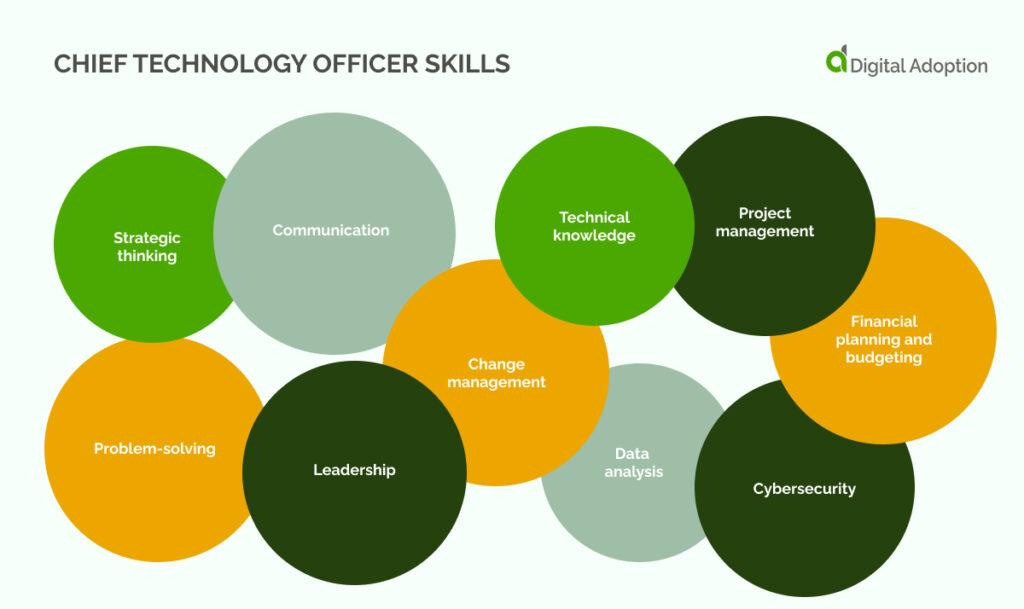
Essential Skills for a Prosperous CTO in Education
Beyond formal education, CTOs in universities, colleges, and schools must possess a wide range of technical and leadership skills. The most sought-after skills include:
Technical Skills
- IT infrastructure management (networks, servers, storage).
- Knowledge of learning management systems, digital classrooms, and eLearning tools.
- Cybersecurity protocols and data privacy compliance (such as FERPA in the US).
- Data analytics, cloud solutions, and digital assessment platforms.
Leadership Skills
- Visionary thinking and the ability to align technology with institutional goals.
- Change management and driving digital transformation.
- Team building, mentorship, and cross-department collaboration.
- Strategic decision-making and budget management.
Communication and Interpersonal Skills
- Translating complex technical concepts for educators, administrators, and other non-technical stakeholders.
- Engaging with faculty and staff to support the adoption of new technologies.
- Negotiation skills for vendor management and contract negotiations.
Project Management Skills
- Overseeing large-scale technology implementation projects.
- Risk assessment and mitigation planning.
- Agile and traditional project management methodologies.
Steps to Becoming a CTO in Education Technology
Becoming a CTO at a university, college, or school is a journey that involves education, hands-on experience, and continuous professional development. Follow these actionable steps:
-
Gain a Strong Educational Foundation
- Pursue a Bachelor’s and, ideally, a Master’s degree in a relevant field.
- Engage in coursework related to both IT and education systems.
-
Start with Entry-Level IT or EdTech Roles
- Positions such as systems administrator, instructional technologist, or IT support specialist in schools or universities provide valuable experience.
-
Move into Technology leadership Positions
- Progress to managerial roles like Director of Technology, IT Project Manager, or Educational Technology Manager.
-
Develop a Portfolio of Successful Projects
- Lead initiatives such as LMS deployment,data security upgrades,or digital curriculum integration.
-
Earn Relevant Certifications and Network
- Pursue certifications in technology leadership and cybersecurity.
- Attend EdTech conferences, workshops, and join professional organizations.
-
Stay Informed on Emerging Technologies
- Continuously update your knowledge of trends like artificial intelligence in education, adaptive learning platforms, and virtual/augmented reality in classrooms.
-
Apply for CTO Positions
- Prepare a compelling resume highlighting technology leadership in educational environments.
- Demonstrate strategic vision and a proven track record of enhancing learning through technology.
Benefits of Becoming a CTO in Education
Pursuing a CTO role in universities, colleges, or schools comes with unique benefits:
- Influence Transformation: Directly impact how institutions leverage technology to improve teaching, learning, and administration.
- Career advancement: High-level executive roles come with competitive salaries and opportunities for growth.
- Job Security: Demand for EdTech leaders continues to rise as educational institutions increasingly digitize operations.
- Professional Fulfillment: Making a tangible difference in students’ and educators’ lives through innovative solutions.
Practical Tips for Aspiring Education Technology CTOs
Standing out as a CTO candidate requires dedication and strategic career moves.Here are some practical tips:
- Build Cross-Functional Experience: Work on projects integrating teaching, administration, and technology.
- Showcase Measurable Outcomes: Quantify the impact of your projects (e.g., improved student productivity, reduced costs, higher security compliance rates).
- Be Adaptable: Stay flexible and open to learning about emerging technologies like AI-driven analytics or blockchain in education.
- Engage in Thought Leadership: Present at education conferences, write articles, and share best practices within the EdTech community.
- Network with Educational Leaders: Connect with academic executives, educators, and IT professionals to stay informed about institutional needs and job openings.
- Uphold Ethics: Ensure that all technology decisions prioritize student privacy, accessibility, and inclusive learning.
Conclusion: Start Your Education Technology Leadership Journey
Securing a position as a Chief technology Officer (CTO) at a university, college, or school is a rewarding career choice for innovators passionate about enhancing education through technology. By following a clear pathway of higher education,acquiring hands-on experience,pursuing relevant certifications,and developing both technical and leadership skills,you can stand out in this competitive field. Embrace the evolving landscape of education technology, and embark on your journey to becoming a transformative technology leader within the education sector. Your expertise can drive positive, lasting change in the world of learning.