
How to Become a Chief Technology Officer (CTO): Essential Education and Skills for Success
if you’re passionate about leveraging technology to revolutionize learning and dream of leading innovation in universities, colleges, or schools, a career as a Chief Technology Officer (CTO) in education technology (EdTech) could be your ideal path. This in-depth guide walks you through everything you need to know about becoming a CTO in the education sector—including required qualifications, critical skills, benefits, and practical tips to secure this influential role.
Introduction: The Evolving Role of a CTO in EdTech
Chief Technology Officers (CTOs) are the visionaries and trailblazers steering digital conversion across educational institutions. Whether at a university, college, or K-12 school, CTOs lead the integration of emerging technologies, provide strategic direction, and ensure secure, effective learning environments. As education technology continues to reshape how we teach and learn, the demand for skilled CTOs is on the rise. But how do you embark on the journey to become a CTO in this dynamic field?
What does an Education Technology CTO Do?
The responsibilities of a CTO in education can vary depending on the institution’s size and focus, but core duties generally include:
- Developing and executing IT strategies aligned with educational goals
- Overseeing the implementation of learning management systems (LMS) and classroom technologies
- Ensuring cybersecurity and data privacy compliance
- Leading teams of IT professionals and EdTech specialists
- Evaluating and adopting innovative tools such as AI, AR/VR, and cloud solutions
- Facilitating professional development in technology for staff and faculty
- Managing technology budgets and vendor relationships
Education Requirements for a CTO in Education Technology
to become a Chief Technology Officer in education, a robust academic background is crucial. Here’s what’s typically expected:
Bachelor’s Degree
start with a bachelor’s degree in a relevant field such as:
- Computer science
- Information Technology
- Educational Technology
- Software Engineering
- Management Information Systems
During your undergraduate studies,focus on courses related to programming,networking,cybersecurity,database management,and project management. Minoring in education or related pedagogical studies can give you a unique edge in edtech settings.
Master’s Degree (Frequently enough Preferred or Required)
Most CTO roles at universities, colleges, or larger schools require a graduate degree, such as:
- Master of Science in Computer Science or IT
- Master of Education (M.Ed.) with a focus on Educational Technology
- Master of Business Administration (MBA) with a technology concentration
- Specialized edtech master’s programs
Graduate studies help build advanced technical, management, and leadership skills necessary for strategic decision-making in educational environments.
Additional Certifications & Professional Development
- Certified Education Technology Leader (CETL): Recognized in K-12 and higher ed,this credential affirms leadership and technical proficiency in EdTech.
- Project Management Professional (PMP): Useful for managing large-scale technology projects.
- Certifications in cloud computing, cybersecurity, data privacy, or IT service management (e.g., AWS, Google Cloud, CISSP, ITIL Foundation)
Continuous learning through certifications, seminars, and online courses ensures you keep pace with rapid developments in education technology.
Essential Skills Every CTO in Education Technology Needs
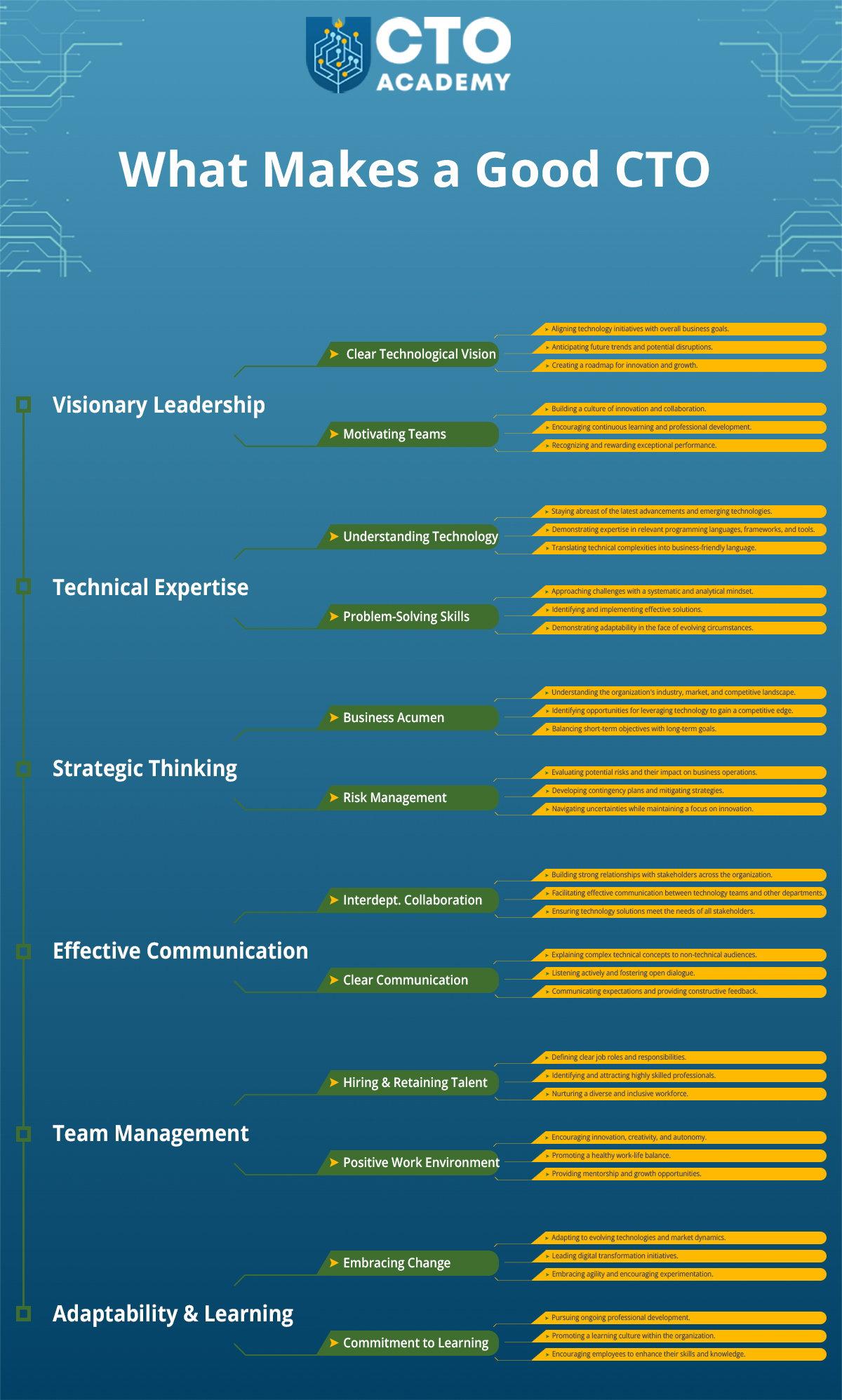
Technical prowess is crucial, but CTOs must also excel in soft skills and strategic thinking. Below are key competencies for success as an education technology CTO:
Technical Skills
- Network infrastructure design and management
- Systems integration (LMS, SIS, library systems, etc.)
- Cybersecurity protocols and data protection
- Software development and cloud architecture
- Data analytics and reporting (for learning outcomes,resource usage,etc.)
- Emerging EdTech trends (AI, AR/VR, IoT, adaptive learning tools)
Leadership and Management Skills
- Strategic planning and vision-setting
- Team leadership and motivation
- Vendor evaluation and contract negotiation
- budgeting and resource allocation
- Change management in educational settings
- Excellent interaction and presentation skills (particularly to non-technical stakeholders)
Interpersonal and Change Leadership Skills
- Ability to bridge the gap between faculty, administration, students, and IT teams
- Collaborative and consultative approach to organizational change
- Training and support for digital literacy among educators and students
Pathways to Becoming a CTO in Education Technology
Though there is no single linear route to becoming a Chief Technology Officer in EdTech, most professionals follow a progression similar to:
- Start in entry-level roles such as IT support technician, network administrator, or educational software developer.
- Advance to mid-level positions like IT manager, instructional technology coordinator, or systems analyst.
- Transition into leadership roles—director of technology, EdTech project manager, or similar supervisory posts—as your experience grows.
- Demonstrate accomplished leadership in managing complex educational technology initiatives.
- Apply for CTO roles at universities, colleges, or school districts, leveraging your combination of technical expertise, leadership skills, and educational passion.
Benefits of Becoming a CTO in Education Technology
- High Impact: Shape the future of education and create more equitable, effective learning experiences through technology integration.
- Professional Growth: Stay at the cutting edge of innovations in EdTech while continually developing your management skills.
- competitive Compensation: CTO positions in education offer strong salaries with excellent benefits, especially in higher education and large K-12 systems.
- Job Security: Technology leadership is increasingly essential for educational institutions, leading to robust career prospects.
- Work-Life Balance: Many institutions offer flexible schedules and generous vacation policies.
Practical Tips for Aspiring Education Technology CTOs
- Build a portfolio: Document successful technology initiatives, system upgrades, or EdTech implementations you have led.
- Develop Cross-Functional Expertise: Spend time in both IT and instructional roles to understand classroom technology needs and strategic priorities.
- Network Actively: Attend education technology conferences, seminars, and local professional meetups to connect with othre technology leaders.
- Mentor and Be Mentored: Seek guidance from current CTOs and, in turn, mentor rising professionals in the IT or EdTech space.
- Stay Informed: Regularly read EdTech publications,follow thought leaders,and participate in online learning to keep up with the fast-paced developments in educational technology.
- Hone Emotional intelligence: Effective CTOs understand the challenges faculty,staff,and students face and foster supportive environments for digital transformation.
Frequently Asked Questions (FAQ)
How many years of experience are needed to become a CTO?
Most educational institutions seek CTOs with at least 7-10 years of progressive IT or EdTech experience, with several years in management or leadership roles.
Can teachers transition to CTO roles?
Yes—teachers with strong technical skills and a background in instructional technology can move into IT leadership by pursuing further education and gaining experience in technology management roles.
What is the average salary for an Education Technology CTO?
Salaries vary widely: In K-12 settings, CTOs typically earn $90,000–$140,000, while those at universities or large colleges can command $120,000–$200,000 or higher, depending on location, institution size, and responsibilities.
Conclusion: The Journey to Becoming a CTO in Education Technology
Becoming a Chief Technology officer in education technology is both a challenging and rewarding journey. It requires a blend of technical mastery, visionary leadership, and a genuine passion for transforming learning experiences. By pursuing robust educational qualifications, developing crucial skills, gaining hands-on experience, and remaining adaptable in the face of new EdTech trends, you can position yourself as a leading candidate for CTO roles in universities, colleges, or schools.Embrace the continuous evolution of technology in education, and you’ll find a career path that is both impactful and fulfilling.
If you’re eager to make a lasting difference in the future of education through technology, now is the perfect time to embark on your journey toward becoming a Chief Technology Officer in EdTech.