
How to Become a Data analyst: Essential Steps for Learning Data Analyst Skills Fast
Are you interested in pursuing a rewarding career as a data analyst in education technology? With higher education and schools increasingly relying on data-driven insights,data analysts in universities,colleges,and schools are in high demand. If you’re a job seeker aiming to secure a data analyst position in EdTech, you’ve chosen a career path filled with opportunities for growth, innovation, and impact on student success. In this complete guide, you’ll discover the essential steps to become a data analyst, learn critical skills quickly, and stand out as a top candidate in the education sector.
Why Choose a Data Analyst Role in Education Technology?
Education technology is transforming how institutions operate and support student achievement. As a data analyst, you will analyze complex data sets to improve learning outcomes, shape curriculum progress, inform decision-making, and enhance student experiences. Here are some of the core benefits of pursuing a data analyst role in the EdTech sector:
- High Demand: Universities, colleges, and schools are increasingly hiring data analysts to interpret academic and operational data, making this a future-proof career choice.
- Meaningful Impact: Your insights can directly improve student retention, optimize teaching strategies, and streamline educational processes.
- Challenging and dynamic Work: Education technology environments offer a variety of projects, from predictive analytics to education performance tracking.
- Growth Opportunities: As analytics grows in importance, skilled data analysts can progress to senior analytical, consulting, or leadership roles.
Key Responsibilities of a Data Analyst in EdTech
Before diving into the essential steps, it’s useful to understand the typical responsibilities of a data analyst working in university, college, or school settings:
- Collecting, cleaning, and organizing educational data from various sources (student databases, online learning platforms, surveys, etc.)
- Conducting statistical analysis and generating reports to support academic and administrative decisions
- Identifying trends and patterns that can improve teaching methods and student performance
- Building data dashboards and visualizations for easy interpretation by educators and administrators
- Collaborating with IT, academic staff, and other stakeholders to translate complex data into actionable insights
Essential Steps to Become a Data Analyst in Education Technology
1. Build a Strong Foundation in Mathematics and Statistics
understanding the fundamentals of data means being agreeable with numbers. Statistics forms the backbone of data analysis, enabling you to interpret data accurately. Focus on:
- Descriptive and inferential statistics
- Probability theory
- Regression analysis
- Hypothesis testing
Most universities offer online courses in statistics and mathematics,making it accessible for career switchers and recent graduates.
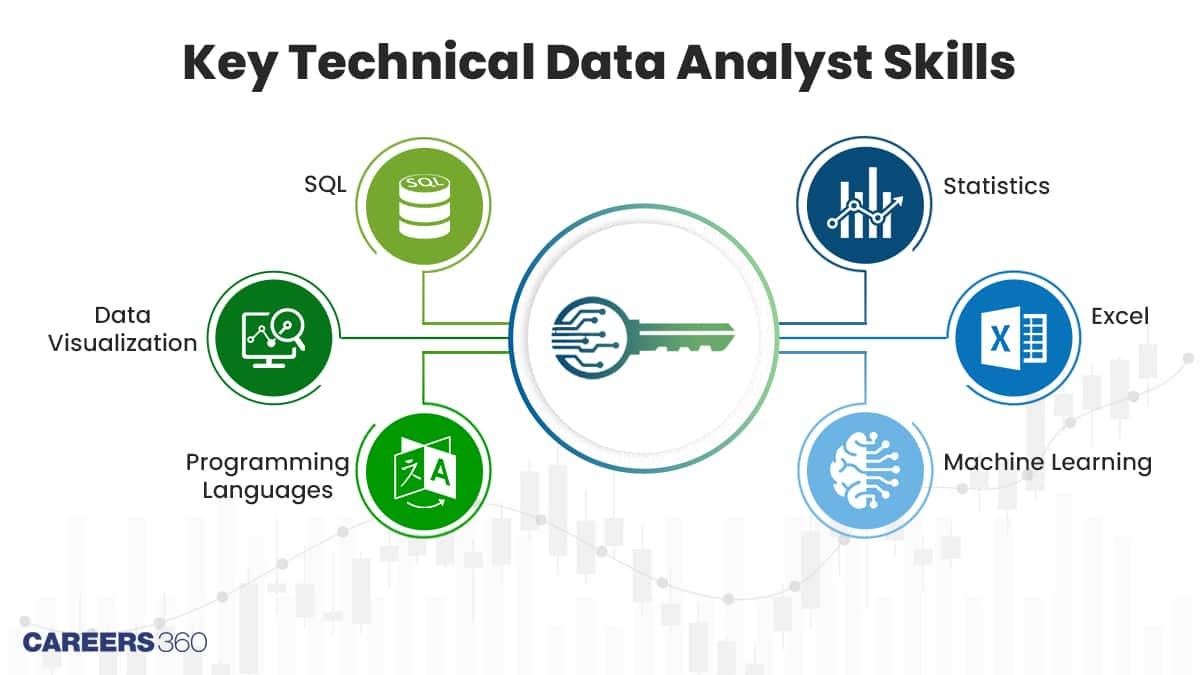
2. Get Proficient in essential Data analyst Tools and Programming Languages
Familiarity with leading data analysis tools is critical. Recruiters in education technology often look for candidates skilled in:
- Excel: Data cleaning, pivot tables, and simple statistical functions
- SQL: Querying educational databases and extracting meaningful data
- Python or R: Powerful programming languages for data wrangling, statistical analysis, and machine learning
- Tableau, Power BI, or Google Data Studio: Data visualization tools for presenting insights to non-technical audiences
Seek quick online tutorials or bootcamps tailored for beginners to speed up your learning.practice by working on sample education datasets to build hands-on experience.
3.Learn Data Wrangling and Data Cleaning Techniques
In education technology, data frequently enough comes in messy, unstructured formats. Data analysts spend a meaningful amount of time preparing data for analysis. Essential skills include:
- Identifying and handling missing or inconsistent data
- Standardizing formats and merging multiple data sources
- Data validation and transformation using Python (Pandas library) or Excel functions
Mastering these skills ensures higher accuracy in your insights and recommendations.
4. Develop Data Visualization and Reporting Skills
Explaining complex findings to educators,administrators,and policy makers is crucial. Data analysts must create clear, compelling reports and dashboards. Focus on:
- Designing user-amiable charts and graphs to highlight key findings
- Utilizing data visualization software to build interactive dashboards
- Presenting data to non-technical audiences using storytelling techniques
5. Gain Knowledge of Educational Data Systems and EdTech Platforms
Familiarity with education-specific systems gives you a competitive edge. Explore common platforms such as:
- Student Information Systems (SIS)
- Learning Management Systems (LMS) like Moodle, Canvas, or Blackboard
- Assessment and performance tracking tools
Understanding how these platforms store and process data will help you adapt analysis techniques to school or university environments quickly.
6. Pursue Certifications and Upskill Continuously
Certifications demonstrate your commitment and expertise to employers in the education technology sector. Popular options include:
- Google Data Analytics professional Certificate
- Microsoft Data Analyst Associate
- IBM Data Analyst Certification
Additionally, stay updated with emerging trends in EdTech analytics and machine learning to expand your skill set over time.
7. Build a Strong Portfolio with EdTech Projects
Practical experience matters. Even if you’re new to the field, you can:
- Analyze open-source education datasets or public school data
- Develop sample dashboards or reports based on hypothetical university scenarios
- volunteer to help local schools or non-profits with data projects
Showcase these projects on your LinkedIn profile or personal website to impress hiring managers.
8. Network within the Education Technology Community
Networking can open doors to job opportunities that aren’t advertised. Join EdTech forums, attend online conferences, or participate in webinars focused on education data. Connect with:
- Current data analysts at universities, colleges, and schools
- EdTech recruiters and career coaches
- Professional groups for education data professionals
9. Tailor Your Resume and Ace the Interview
Customize your resume to highlight relevant data analyst skills and experiences, focusing on education data projects if available. Prepare for interviews by:
- Practicing common data analysis case studies in an academic context
- Demonstrating your ability to communicate technical findings to non-technical staff
- Sharing examples of how your insights have driven positive changes or efficiency in educational settings
Practical Tips for Learning data Analyst Skills Fast
- Set clear learning goals and break them into weekly objectives
- Join study groups or online communities for peer support
- Engage with real educational data sets for hands-on experience
- Challenge yourself with mini-projects, such as analyzing student performance trends
- Seek mentorship from data analysts already working in EdTech
- Consistently dedicate time to practice and revisit challenging concepts
Common Data Analyst Interview Questions in Education Technology
Preparing for a data analyst interview in the education sector? Expect questions like:
- How would you handle missing or inconsistent data in student records?
- Can you describe a time when your analysis changed a process or policy?
- How do you present data findings to academic staff who have limited technical knowledge?
- What statistical methods would you use to identify trends in student achievement?
Conclusion: Start Your Data Analyst Career in Education Technology
Embarking on a career as a data analyst in education technology is a smart move for anyone passionate about leveraging data to shape the future of learning. By acquiring key data analyst skills fast—ranging from statistics and programming to data visualization and education systems—you’ll be prepared to have a real impact in schools, colleges, and universities. With dedication, the right training, and practical experience, you can become a sought-after professional in the growing edtech landscape. Take your first step today, and watch as your efforts open doors to a fulfilling and influential career.