
How to Become a DevOps Engineer in Education Systems: Skills, Roles, and Career Path
If you’re passionate about both technology and education, a career as a DevOps engineer in education systems might be your perfect fit. The rise of digital infrastructure in universities, colleges, and schools has created a growing demand for IT professionals who can efficiently manage, deploy, and secure educational technologies. In this thorough guide, you’ll discover what it takes to become a DevOps Engineer in education, explore key skills, understand job responsibilities, and map out your professional path in this rewarding field.
why DevOps Engineers Are Essential in Education Systems
As education evolves, so do the systems supporting it. Digital learning platforms, administrative portals, data analytics, remote classrooms, and research applications all rely on robust, scalable, and secure IT infrastructure. DevOps Engineers ensure these services are continuously delivered, maintained, and improved, helping to create seamless learning experiences for students and educators. Their unique skill set blends software development and IT operations, making them invaluable to modern education environments.
what is a DevOps Engineer in Education Systems?
A DevOps Engineer in education systems manages the development, deployment, and maintenance of digital solutions within academic settings. This typically includes:
- Learning management Systems (LMS)
- Administrative portals for students and staff
- Cloud-based resources for research and teaching
- Automated testing and deployment tools
- Data analytics and reporting systems
The goal of a DevOps Engineer is to streamline collaboration between software developers and IT operations teams, automate repetitive tasks, ensure smooth software delivery, and implement robust cybersecurity measures—making them critical to educational institutions aiming for digital innovation.
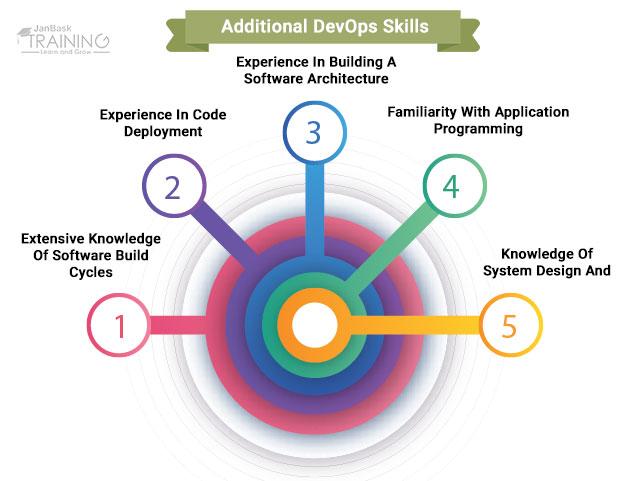
Essential Skills for a DevOps Engineer in Education
Technical Skills
- Cloud Platforms: Proficiency with AWS, Azure, or Google Cloud, as many institutions migrate to cloud environments.
- Infrastructure as Code (IaC): Experience with tools like Terraform, Ansible, or puppet to automate infrastructure provisioning and configuration.
- Continuous Integration/Continuous Deployment (CI/CD): familiarity with Jenkins, gitlab CI, or Github Actions for automated software pipelines.
- Containerization: Knowledge of Docker and kubernetes for deploying scalable, isolated application environments.
- Monitoring and Logging: Use of tools such as Prometheus, Grafana, and ELK Stack to monitor system health and performance.
- Programming/Scripting: Proficiency in languages such as Python, Bash, or PowerShell for writing automation scripts.
- Version Control: Expertise in Git for source code management and collaboration.
- Cybersecurity: Understanding security practices for data protection, especially critically important given the sensitivity of student and institution data.
Soft Skills
- Collaboration: Ability to communicate and work with cross-functional teams,including developers,educators,and administrators.
- problem-solving: Aptitude for diagnosing issues and creating innovative solutions for technology challenges in education.
- Adaptability: Willingness to adopt new tools, approaches, and educational priorities as technology evolves.
- Project Management: Organizational skills to manage multiple projects,deadlines,and stakeholders.
Primary Roles and Responsibilities
As a DevOps Engineer in education,your daily tasks and responsibilities may include:
- Designing,building,and maintaining scalable IT infrastructure to support learning management systems and administrative software.
- Implementing automation for deployment, monitoring, and backup processes.
- Managing cloud resources and optimizing their use to reduce costs while maintaining performance.
- Enhancing cybersecurity measures to protect student and institutional data.
- Troubleshooting technical issues impacting online learning or administrative systems.
- Collaborating with academic staff, IT teams, and third-party vendors to support educational initiatives.
- Participating in disaster recovery planning to ensure business continuity.
- Documenting processes, workflows, and system configurations for transparency and knowledge sharing.
- Staying updated on emerging edtech tools and recommending improvements where relevant.
Steps to Become a DevOps Engineer in Education Systems
Ready to start your DevOps journey in the academic sector? Follow these steps to land your ideal education technology job:
-
Pursue Relevant Education
- Earn a degree in computer science, facts technology, software engineering, or a related field.
- Consider postgraduate studies or certifications in educational technology or cloud computing for added advantage.
-
Gain Hands-On IT and Development Experience
- Work in IT support,system governance,or software development roles to build foundational technical skills.
- Participate in internships or part-time positions with educational institutions to gain sector-specific exposure.
-
Master DevOps tools and Practices
- Self-study or enroll in workshops focused on cloud platforms, CI/CD, automation, and containerization.
- Contribute to open-source DevOps projects or create personal projects to showcase your skills.
-
Earn Professional Certifications
- Obtain industry-recognized DevOps certifications (e.g., AWS Certified devops Engineer, Microsoft Certified: DevOps Engineer Expert).
- Pursue certifications in educational technologies or edtech platforms if available.
-
Build a Specialized Portfolio
- Document and present your DevOps solutions, automation scripts, and successful deployments on a personal website or GitHub.
- Emphasize any projects related to educational IT systems or learning platforms.
-
Apply to Education-Focused Opportunities
- Target DevOps Engineer roles at universities, colleges, educational software companies, or school districts.
- Customize your resume and cover letter to highlight experience with education technology and your understanding of academic IT needs.
-
Engage in Continuous Learning
- Stay current with emerging technologies, security practices, and education sector trends.
- Join professional networks,attend edtech conferences,and participate in relevant online communities.
Career Path and Advancement Opportunities
DevOps Engineers in education systems can advance their careers in several directions, such as:
- Senior devops Engineer: Leading larger infrastructure projects and mentoring junior engineers.
- DevOps Architect: Designing and overseeing entire IT architectures for schools or academic organizations.
- IT Operations Manager: Managing broader IT teams and ensuring alignment with educational goals.
- EdTech product Manager: Moving toward product management roles with a focus on technical educational tools.
- Chief Technology Officer (CTO): Reaching executive-level positions within educational institutions or edtech companies.
Gaining experience with multiple institutions, contributing to innovative education projects, or earning advanced certifications can accelerate your progress along this rewarding career path.
Benefits of a DevOps Career in Education Systems
Choosing a DevOps Engineer role in the education sector comes with unique advantages, including:
- meaningful Impact: Contribute to the success of students and educators by building reliable, innovative technology systems.
- Job Stability: Education is a steady sector with long-term employment opportunities.
- Continuous Learning: Exposure to new technologies and evolving educational practices keeps the role dynamic and fascinating.
- Work-Life Balance: Many academic institutions offer flexible schedules and generous benefits.
- Collaborative Environment: Enjoy teamwork with professionals who are passionate about both technology and educational outcomes.
- Path to Leadership: Opportunities for career advancement,specialization,or transition into management roles.
Practical Tips for Aspiring DevOps Engineers in Education
- Understand Academic Priorities: Familiarize yourself with educational workflows, the academic calendar, and the needs of students and staff.
- Network Within EdTech Circles: Connect with IT professionals and academic technologists via conferences, webinars, and online forums.
- Stay Security-Conscious: Engage in continuous security education, as educational institutions are common targets for cyberthreats.
- Promote Automation: Look for processes in educational IT that can be automated to improve efficiency and reliability.
- Document Everything: Good documentation is crucial in academic settings with rotating staff and contributors.
- Emphasize Interaction: Ability to explain technical concepts to non-technical users is a major asset in education.
Conclusion
Becoming a DevOps engineer in education systems is a rewarding and impactful career path for those who blend a passion for technology with a commitment to improving learning experiences. As the role of education technology continues to expand, so do the opportunities for skilled professionals eager to shape digital transformation across universities, colleges, and schools. Focus on building both technical and interpersonal skills, stay attuned to trends in edtech, and you’ll be well on your way to a successful career as a DevOps Engineer in the education sector.
Start your journey today and empower the future of education with your expertise!