
How to Become a Full Stack Developer: Essential Education Pathways and Skills
Are you eager to combine your passion for technology with the transformative world of education? As the demand for digital solutions in universities, colleges, and schools continues to rise, the role of a full stack developer in education technology (EdTech) is more crucial than ever.This comprehensive guide will walk you through the essential education pathways, must-have skills, and practical tips to launch a successful career as a full stack developer in the dynamic EdTech industry.
What Is a Full Stack Developer in Education Technology?
A full stack developer is someone who designs, builds, and supports both the front-end (user-facing) and back-end (server-side) components of web applications. In the context of education technology, full stack developers create and maintain software solutions such as learning management systems, online classrooms, assessment tools, and more for universities, colleges, and schools.
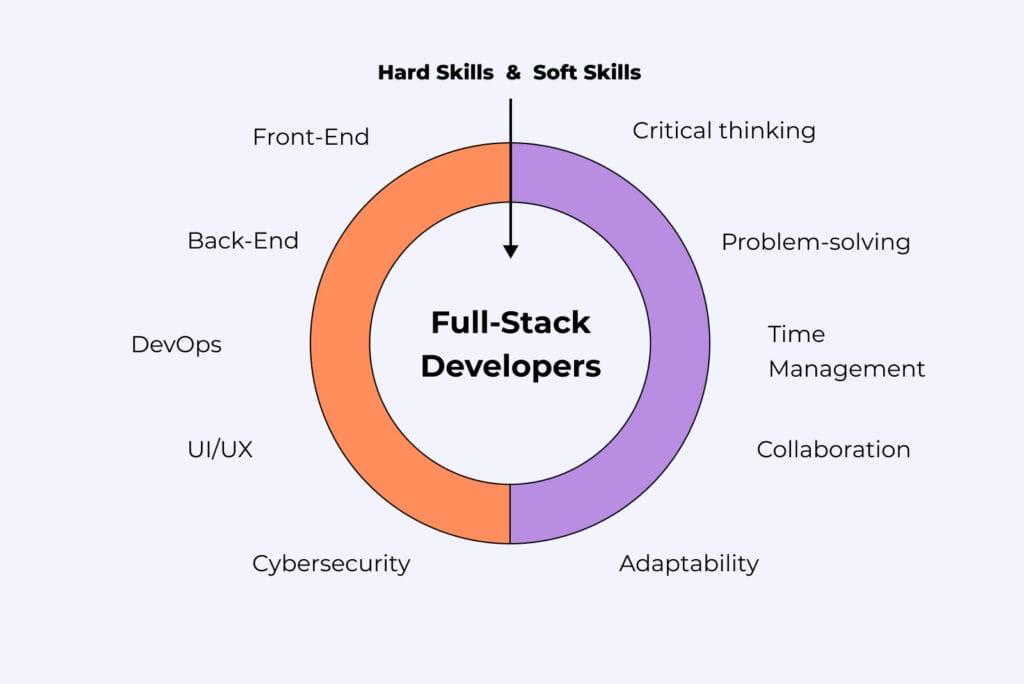
- Front-end development: Focuses on the user interface, ensuring a seamless and accessible learning experience for students and educators.
- Back-end development: Handles databases, application logic, user authentication, and data security critical to EdTech platforms.
- DevOps: Integrates deployment, testing, and maintenance processes to keep educational applications reliable and scalable.
Why Pursue a Full Stack developer Role in EdTech?
Pursuing a full stack developer job in the education sector has unique advantages:
- Make a Difference: Drive innovation that improves educational access and learning outcomes for students worldwide.
- High Demand: Universities, colleges, and schools are investing in digital transformation, increasing the need for skilled developers.
- Collaborative Environment: Work closely with educators, administrators, and students to develop meaningful technology solutions.
- Opportunities for Growth: The EdTech industry continues to expand, offering abundant opportunities for professional advancement.
Essential Education Pathways for Full Stack Developers in EdTech
Becoming a full stack developer for education technology typically involves a blend of formal education, self-learning, and practical experience. Here are the main education pathways to consider:
Bachelor’s Degree in Computer science or Related Fields
- Computer Science – Most employers prefer candidates with a computer science background, covering software engineering, algorithms, and data structures.
- details Technology (IT) – Offers exposure to networking, system administration, and security, all beneficial in EdTech environments.
- Software engineering – Focuses on application design, project management, and collaborative development.
Relevant coursework may include web development, database management, object-oriented programming, networking, and cybersecurity.
Bootcamps and Certifications
- Full Stack Development Bootcamps – Intensive, hands-on programs designed to teach in-demand technologies quickly.
- Online Certifications – Platforms offer certificates in JavaScript frameworks, database technologies, and cloud computing.
- EdTech-Specific Training – Some programs offer modules tailored to the unique compliance and functionality needs of educational software.
Bootcamps and certifications are ideal for career changers or newcomers wanting a fast track into the field, though employers may still value formal degrees.
Hands-On Experience and Internships
- Gain real-world experience by joining EdTech projects, hackathons, or contributing to open-source learning platforms.
- Apply for internships at universities, colleges, or EdTech companies to learn directly from experienced professionals.
- Develop your own side projects—such as online quiz applications or e-learning modules—to showcase your abilities to future employers.
Key Technical Skills Required for Full Stack Developers in education Technology
To thrive as a full stack developer in the education sector, you’ll need to master a versatile set of programming languages, frameworks, and tools:
- Frontend Technologies: HTML, CSS, JavaScript, React, Vue.js, or Angular
- Backend Technologies: Node.js, Python (Django/Flask), Ruby on Rails, Java (Spring), or PHP (Laravel)
- Database Management: SQL (MySQL, PostgreSQL), NoSQL (MongoDB, Firebase)
- Version Control: Git and platforms like GitHub or GitLab
- API Development: RESTful APIs, graphql
- security Standards: User authentication, data encryption, privacy compliance (FERPA, GDPR in education)
- Cloud Services: AWS, Azure, Google Cloud for scalable EdTech solutions
- Responsive Design: Ensuring applications work on desktops, tablets, and smartphones
- Testing & Debugging: Using tools such as Jest, Mocha, Selenium
Essential Soft Skills and Qualities for EdTech Developers
Technical expertise is vital, but soft skills are equally vital for EdTech full stack developer jobs:
- Problem-Solving: Identify and resolve challenges in learning platforms efficiently.
- Collaboration: Work with teachers,IT staff,instructional designers,and fellow developers.
- Dialog: Explain technical concepts in an accessible manner, particularly to non-technical stakeholders.
- Adaptability: EdTech is ever-evolving; be ready to learn new frameworks and tools.
- Empathy: Understand the needs of students and educators to design user-friendly solutions.
Practical Tips for Landing a Full Stack Developer Job in EdTech
- build a Strong Portfolio: Showcase your EdTech-related projects on a personal website or GitHub profile. Include case studies or demo videos demonstrating functionality and problem-solving.
- Network in the EdTech Community: Attend webinars, workshops, or online forums focused on educational technology and development.
- Stay Updated: Follow trends and best practices in both technology and education—adaptive learning, AI in classrooms, data privacy, etc.
- Customize Your Applications: When applying to universities, colleges, or schools, tailor your resume and cover letter to highlight your passion for education and technical expertise.
- demonstrate Understanding of Accessibility: Ensure your portfolio or projects follow accessibility standards (such as WCAG) to cater to diverse student populations.
- Prepare for technical Interviews: Practice coding challenges and be ready to discuss your experience designing, developing, and maintaining EdTech solutions.
Benefits of Being a Full Stack Developer in Education Technology
- Creative Satisfaction: enjoy the challenge of designing software that enhances the learning experience.
- Job Security: EdTech investments are growing, and skilled developers are always in demand.
- Remote Work Opportunities: Many EdTech roles offer flexible or remote working options.
- Lifelong Learning: Stay intellectually engaged as technology and education continuously evolve.
- sense of Purpose: Know that your work directly contributes to educational equity and student success.
Frequently Asked Questions
What is the salary range for full stack developers in education technology?
Salaries can vary depending on location, experience, and institution type. On average, full stack developers in higher education or edtech firms earn between $70,000 and $115,000 annually, with opportunities for higher earnings as you gain specialized skills or leadership responsibilities.
Do I need teaching experience to work as a developer in the education sector?
While not required, having a basic understanding of educational processes or direct classroom experience can be a plus. It helps you build empathy and design more effective learning tools.
How can I transition to EdTech as a full stack developer from another industry?
Focus on building relevant projects, seek certifications in educational technology, and emphasize your transferable technical and communication skills. Networking with EdTech professionals can open doors to new opportunities.
Conclusion: Embark on Your EdTech Full Stack Developer Journey
Becoming a full stack developer in the education technology sector is a rewarding path for anyone who loves technology and wants to make a difference in the world of learning. By pursuing the right education pathways, cultivating in-demand skills, and staying involved in the EdTech community, you’ll be well-equipped to launch a fulfilling and impactful career at universities, colleges, or schools. Start building your portfolio, keep learning, and take that first step toward shaping the future of education technology today.