
How to Become a Multimedia Designer: education Requirements and Best Programs
Are you passionate about creativity, technology, and education? A career as a multimedia designer in universities, colleges, or schools could be the perfect fit for you. In today’s fast-paced digital world, educational institutions increasingly rely on multimedia designers to develop engaging learning materials, interactive resources, and visually compelling content. If you’re interested in joining the thriving field of education technology (EdTech), this comprehensive guide will walk you through the educational requirements, recommended programs, essential skills, and practical tips for launching a triumphant multimedia design career in academia.
What is a Multimedia Designer?
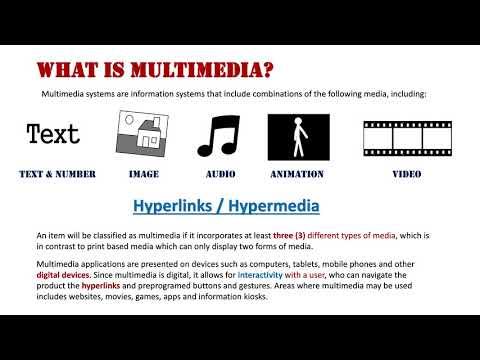
A multimedia designer specializes in creating and integrating various digital assets—such as graphics, video, animation, audio, and web content—to enhance educational experiences.In schools, colleges, and universities, multimedia designers collaborate with educators and EdTech professionals to produce learning modules, e-learning platforms, instructional videos, virtual labs, and marketing materials. Their work is instrumental in delivering curriculum effectively, engaging students, and supporting institutional goals.
Why Pursue a Multimedia Design Career in Education Technology?
- High Demand: EdTech continues to expand as educational institutions adopt new digital tools for teaching and learning.
- Impactful Work: Multimedia designers play a pivotal role in shaping modern education and improving learning outcomes.
- Diverse Opportunities: You can work directly for universities, colleges, schools, e-learning platforms, or become a consultant.
- Creative Surroundings: The role offers creative freedom and the chance to experiment with new design technologies and formats.
Core Responsibilities of a Multimedia Designer in Education
- Develop interactive e-learning content and online course materials
- Design visual assets such as infographics, explainer videos, and educational animations
- Create user-amiable interfaces for educational platforms and applications
- Edit audio and video content for lectures, webinars, and institutional communications
- Collaborate with educators, instructional designers, and IT teams
- Stay updated with the latest trends and best practices in EdTech and multimedia design
Education Requirements for Multimedia designers in EdTech
Even though some multimedia designers are self-taught, most employers in universities, colleges, and schools look for candidates with formal education and specialized training. Hear’s what you need to know about the essential education requirements:
Minimum Qualifications
- Bachelor’s Degree: Most entry-level jobs require at least a bachelor’s degree in Multimedia Design, graphic Design, Digital Media, Visual Communication, or related fields.
- Associate Degrees & Diplomas: These can provide a foundation and are suitable for junior roles or as stepping stones to advanced education.
Recommended Majors and Coursework
To maximize your career opportunities, consider pursuing a degree or courses with the following themes:
- Multimedia Design
- Digital Arts
- Animation and Motion graphics
- graphic Design
- Web Design and Development
- Instructional Technology or Educational Technology
- Communication and Media Studies
Key Subjects and Skills Developed
- Visual Communication Principles
- Digital Imaging and Editing (Photoshop, Illustrator, InDesign)
- Animation and Video Production (After Effects, Premiere Pro)
- Web and Mobile Design (HTML5, CSS, UI/UX)
- Storyboarding and Content Planning
- Audio Editing and Integration
- Project Management and Collaboration Tools
- Educational Content Development and Instructional Design Basics
Best Multimedia Design Programs for aspiring EdTech Professionals
When selecting a program, prioritize curriculum relevance, reputation, faculty expertise, internship opportunities, and industry connections. Here are popular program types to consider:
Bachelor’s Degree Programs
- Bachelor of Arts in Multimedia Design
- bachelor of Science in Digital Media
- Bachelor of Fine Arts in Graphic Design
- Bachelor in Communication and Media Studies
These programs typically offer comprehensive training in design principles, digital production, and collaborative project experience tailored for multimedia careers.
Master’s Degree and Graduate Certificates
- Master of Arts in Educational Technology or Instructional Design
- Master of Science in Interactive Media
- Graduate Certificate in Multimedia Design for Education
Advanced degrees and specialized certificates are valuable if you’re aiming for leadership roles, teaching responsibilities, or specialized EdTech positions in academia.
Online Programs and Short courses
- Online Multimedia Design diploma programs
- Professional certifications in tools like Adobe Creative Cloud
- MOOCs (Massive Open Online Courses) in animation, interactive media, or EdTech
Flexible and accessible, these programs can help supplement your formal education and sharpen your skills in specific areas like video editing, animation, or web design.
Essential Skills for Multimedia Designers in Education
Employers seek well-rounded candidates who possess a blend of creative, technical, and interpersonal skills. Here are the top competencies to develop:
- Creative Problem Solving: Ability to turn abstract educational ideas into clear, engaging digital materials
- Technical Proficiency: Expertise with multimedia software (Adobe Creative Cloud, Final Cut Pro, unity, HTML/CSS, etc.)
- Communication Skills: effectively present and explain design concepts to educators and stakeholders
- Collaboration: Work with diverse teams on multi-phase educational projects
- Project Management: Organize timelines, budgets, and deliverables to meet institutional needs
- Attention to Detail: Ensure accuracy and consistency in design work
Practical Tips for Building Your Multimedia Design Career in EdTech
- Build a Portfolio: Create a diverse collection of educational multimedia projects, including e-learning modules, animations, and interactive tools.
- Internship Experience: Seek internships at universities, colleges, or EdTech companies to gain hands-on experience and network within academia.
- Stay Current: Attend workshops, webinars, or conferences on multimedia design and educational technology.
- Learn New Tools: Continuously update your skills on emerging design software and EdTech platforms.
- Freelancing: Consider freelance projects for schools or educational startups as a way to diversify your experience.
- Networking: Connect with instructional designers, IT professionals, and educators through industry forums and associations.
- Certify Your Skills: Acquire recognized certifications to enhance your resume and credibility.
Benefits of Working as a Multimedia Designer in Academia
- Job Stability: Educational institutions often offer secure employment and comprehensive benefits.
- Growth Opportunities: Many institutions invest in ongoing professional development for their staff.
- Creative Satisfaction: Contribute meaningfully to student success through innovative visual storytelling and instructional design.
- Collaborative Culture: Work with passionate educators, researchers, and technologists to shape the future of learning.
- Chance to Innovate: Experiment with new media formats, blended learning, and AR/VR in the classroom.
Frequently Asked Questions about Becoming a Multimedia Designer in EdTech
Do I need a degree to become a multimedia designer at a university, college, or school?
While some professionals are self-taught, most employers in academic settings prefer candidates with a bachelor’s degree or equivalent in multimedia design, digital media, or a related field. Advanced roles may require a master’s degree or certifications in instructional technology.
Which software should I master for EdTech multimedia design roles?
Key tools include Adobe Creative Cloud (Photoshop, Illustrator, Premiere Pro, After Effects), Final Cut Pro, HTML/CSS/JavaScript, Unity or Unreal Engine (for interactive or VR projects), and basic audio editing software.
Can teachers transition into multimedia design?
Absolutely! Educators with experience in curriculum development or instructional technology can upskill through formal multimedia design programs or certifications and apply their expertise in content creation for academic institutions.
What industries hire multimedia designers outside of schools?
Besides educational institutions, multimedia designers work in corporate training, marketing, digital agencies, e-learning platforms, nonprofit organizations, and government agencies.
Conclusion
becoming a multimedia designer in education technology is a rewarding and dynamic career path, perfect for those who love combining creativity with technology to make a positive impact. By investing in the right education, mastering essential design tools, and gaining experience through internships and projects, you can position yourself as an invaluable asset to universities, colleges, and schools. From enhancing student engagement to pioneering new digital learning formats,multimedia designers are central to the evolution of modern education. Weather you’re a recent graduate or a seasoned professional seeking a career shift, now is the perfect time to pursue your passion in EdTech multimedia design and help shape the future of learning.