
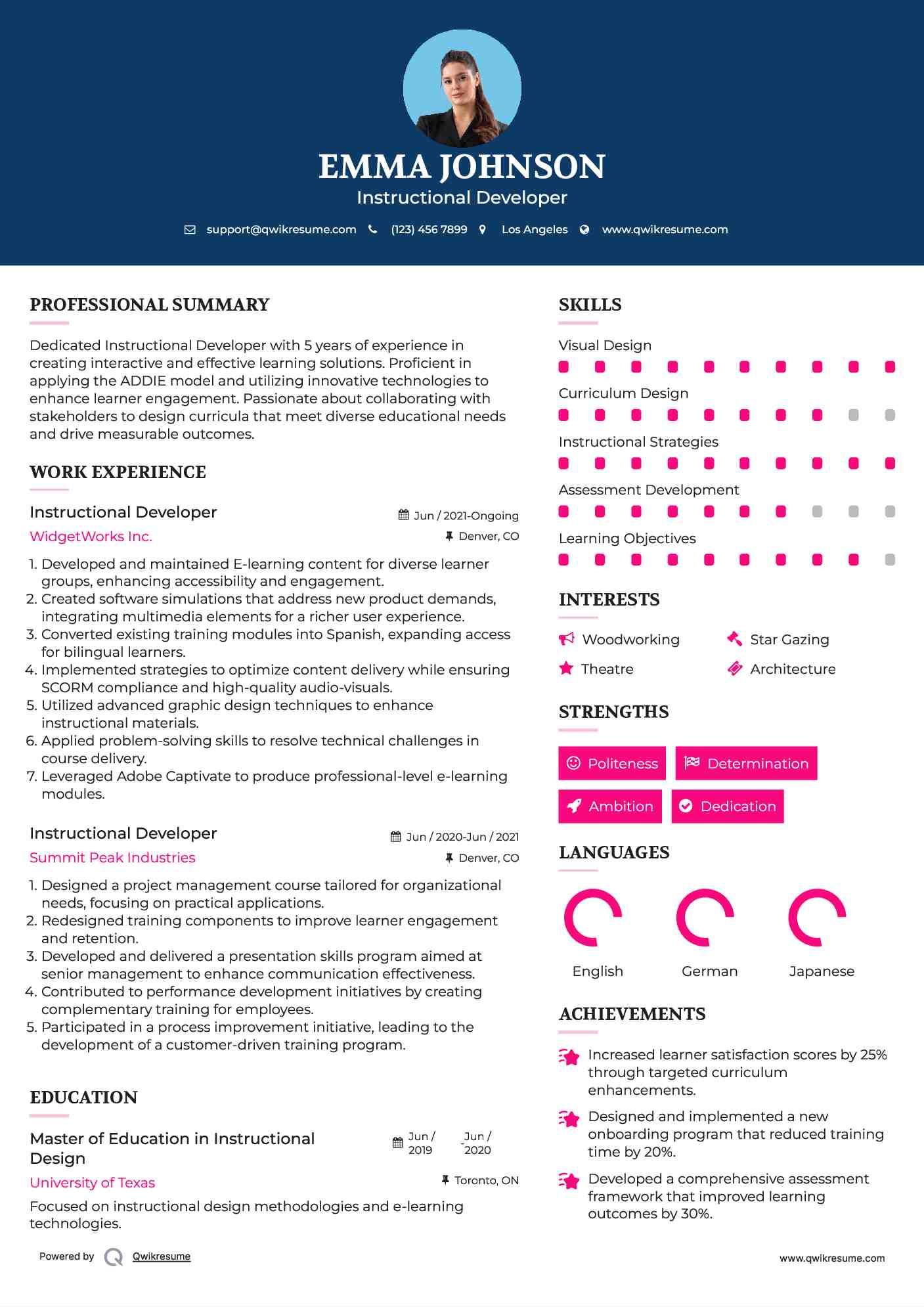
How to Become a Successful Curriculum Developer: Skills, Roles & Career Guide
Are you passionate about shaping the future of education and empowering learners? If you dream of designing impactful learning experiences using the latest in education technology, a career as a curriculum developer might be a perfect fit. This in-depth guide will walk you thru how to become a successful curriculum developer, including essential skills, daily responsibilities, advancement opportunities, and actionable tips to excel in universities, colleges, or schools.
What Is a Curriculum Developer?
A curriculum developer—also known as an instructional coordinator or curriculum specialist—plays a pivotal role in creating, evaluating, and revising instructional materials and strategies for educational institutions. With the rapid adoption of education technology (EdTech),these professionals are in high demand to craft engaging,accessible,and technology-driven curricula for diverse learning environments.
Key Roles and Responsibilities
Curriculum developers operate at the intersection of teaching methodologies, subject matter expertise, and technology integration. Their core duties typically include:
- Designing Curricula: Developing extensive coursework and lesson plans, aligned with educational standards and institutional goals.
- integrating Technology: Leveraging digital tools, learning management systems, and multimedia resources to enhance teaching and learning experiences.
- Assessing Curriculum Effectiveness: Analyzing student performance data and feedback to refine and improve instructional materials.
- Collaborating with Educators: Working with teachers, professors, and subject experts to ensure materials are relevant, engaging, and up-to-date.
- Professional Advancement: Training faculty on new curriculum materials and technology applications.
- Compliance: ensuring curricula meet state, national, or accreditation standards, and also inclusivity and accessibility guidelines.
Essential Skills for a Successful Curriculum Developer
To thrive in a curriculum developer role, especially within EdTech-powered institutions, the following skill set is crucial:
- Instructional Design: Mastery of instructional design models (such as ADDIE, Bloom’s Taxonomy, or backward design) for effective curriculum creation.
- Technology Integration: Proficiency with learning management systems (e.g., Blackboard, Moodle, Canvas), educational apps, and digital content authoring tools.
- Analytical Skills: Ability to interpret data to identify trends,gaps,and opportunities for curriculum enhancement.
- Communication: Strong written and verbal communication skills for articulating complex educational concepts clearly to stakeholders.
- Adaptability: eagerness to stay updated with the latest educational technologies, methodologies, and policies.
- Collaboration: Teamwork skills to partner effectively with educators, administrators, and technology staff.
- Project Management: Capable of handling multiple projects and meeting deadlines in a dynamic academic setting.
- Creativity: Innovative thinking to design engaging and effective learning materials.
Educational Qualifications and Professional Pathways
The typical pathway to becoming a curriculum developer includes the following educational credentials and experiences:
- Bachelor’s degree: Most positions require at least a bachelor’s in education, curriculum & instruction, educational technology, or a related field.
- Master’s Degree: A master’s in curriculum development, instructional design, or instructional technology is highly preferred for advancement and specialized roles.
- Teaching Experience: Prior experience as a classroom teacher, educational technologist, or subject matter expert is often expected.
- Certifications: Optional yet beneficial certificates in instructional design, educational technology, or related areas can enhance your credentials.
Career Progression opportunities
- Senior Curriculum Developer: Lead major projects and mentor junior developers.
- Instructional Designer: Specialize in e-learning and online course construction.
- Director of Curriculum and Instruction: Oversee curriculum strategy for an entire institution or district.
- Education Technology Specialist: Advise on cutting-edge tech adoption in teaching and learning processes.
Benefits of Becoming a Curriculum Developer in EdTech
Choosing a career as a curriculum developer, especially in education technology environments, brings an array of professional and personal rewards:
- high Demand: As digital transformation sweeps through education, skilled curriculum developers are increasingly sought after by universities, colleges, and schools.
- Diverse Work Environments: Opportunity to work in K-12 schools, higher education, corporate training, or even nonprofit organizations.
- Impactful Work: Shape the education and futures of countless students by improving learning outcomes and promoting equity.
- Collaborative Culture: Work closely with educators, tech professionals, and administrators in creative and innovative teams.
- Professional Growth: Endless learning opportunities as educational technology and methodologies continually evolve.
Practical Tips to Succeed as a Curriculum Developer
Ready to launch or advance your career in curriculum development? Take these actionable steps to stand out:
- stay Curious: Follow the latest trends in EdTech, curriculum design, and instructional best practices.
- Expand Your Network: Join professional organizations, attend education conferences, and connect with peers on social platforms.
- Build a Portfolio: Develop a collection of your curriculum projects, lesson plans, and technology-enhanced instructional materials.
- Seek Feedback: Regularly solicit feedback from educators and learners to refine your work and demonstrate a learner-centered approach.
- Pursue Continued Education: Enroll in workshops, online courses, or certificate programs to sharpen your skills and keep your credentials current.
- Be Adaptable: Embrace change and be willing to adjust strategies as new technologies and teaching models emerge.
- Master assessment Techniques: Learn to design effective formative and summative assessments that align with learning objectives and standards.
Frequently Asked Questions About Curriculum Developer Careers
What is the average salary for curriculum developers?
According to industry surveys, curriculum developers in education technology roles typically earn between $60,000 and $90,000 annually in the United States, with senior positions exceeding these figures. Salary can vary based on experience, education, institution type, and geographic region.
Do I need teaching experience to become a curriculum developer?
While not always mandatory, teaching experience is highly valued. It provides practical insight into learning environments, student needs, and effective instructional strategies.
Which EdTech skills are most valuable for curriculum development?
Top EdTech skills include learning management systems (LMS) proficiency, multimedia content creation, data analysis, and familiarity with collaborative digital tools.
Can curriculum developers work remotely?
Yes, many curriculum developer and instructional design jobs offer remote or flexible work arrangements, especially when developing digital or online learning materials.
Conclusion: Start Your Impactful Career in Curriculum Development
Becoming a successful curriculum developer in education technology is both a rewarding and future-proof career choice.By mastering instructional design, technology integration, and collaboration, you’ll play a vital role in transforming educational experiences for students and educators alike. Whether you aspire to work at a university, college, or school, the demand for talented curriculum specialists continues to rise as education embraces digital innovation.
If you’re ready to make a difference, now’s the perfect time to cultivate your skills, pursue the right qualifications, and embark on an exciting journey as a curriculum developer. Your expertise can help shape the learners and leaders of tomorrow.