
How to Become a Successful Training Content Developer: Skills,Tips,and Career Guide
If you’re passionate about education and technology,becoming a Training Content Developer could be the perfect career path. This rewarding role is in high demand as universities, colleges, and schools increasingly rely on digital platforms to deliver learning experiences. In this comprehensive guide, you’ll learn everything you need to know to start and succeed as a training content developer in the dynamic field of education technology.
What Is a Training Content Developer?
A Training Content Developer is responsible for designing, creating, and implementing educational materials that facilitate learning. These materials can include online courses, multimedia tutorials, instructional guides, and digital resources used by educators and students. As a content developer, you transform complex concepts into engaging and accessible learning modules tailored to meet the needs of diverse learners in educational institutions.
Key Skills for training Content Developers
To excel as a training content developer, you’ll need a mix of technical, creative, and interpersonal abilities. Below are the essential skills required:
- Instructional Design: Understanding learning theories and instructional methodologies is vital to creating effective content.
- Technical Proficiency: Familiarity with Learning Management Systems (LMS), authoring tools (e.g., Articulate Storyline, Adobe Captivate), and basic HTML/CSS can help you build interactive training modules.
- Writing and Dialog: Strong writing skills are essential to convey data clearly. You should be able to write for different audiences and adapt the tone as needed.
- Project Management: Managing deadlines and coordinating with subject matter experts and stakeholders is crucial to delivering high-quality content.
- Assessment and Evaluation: ability to design quizzes, assignments, and metrics to measure learning effectiveness.
- Visual Design: Skills in graphic design software such as Canva or Photoshop help you create visually appealing materials that enhance learning outcomes.
- Collaboration: You’ll work closely with educators, instructional designers, and IT teams, so teamwork and communication are key.
Steps to Become a Successful training Content developer
Follow these steps to launch and grow yoru career in education technology as a training content developer:
-
Acquire Relevant Education
Most roles require a bachelor’s degree in education, instructional design, educational technology, or a related field.Advanced degrees or certifications in instructional design can boost your career prospects.
-
Gain Technical Experience
Get hands-on practice with e-learning authoring tools,LMS platforms,and design software. Manny employers look for candidates who can demonstrate practical expertise.
-
Build a Portfolio
Create sample modules, infographics, lesson plans, and online courses to showcase your skills. Your portfolio is essential when applying for jobs at universities, colleges, or schools.
-
Network with Educational Professionals
Join professional associations, attend webinars, and connect with other content developers in education technology to find mentorship and job opportunities.
-
Stay Updated on EdTech Trends
Education technology evolves rapidly. Follow industry publications and participate in online communities to keep up with new tools and methodologies.
-
Apply for Training Content Developer Roles
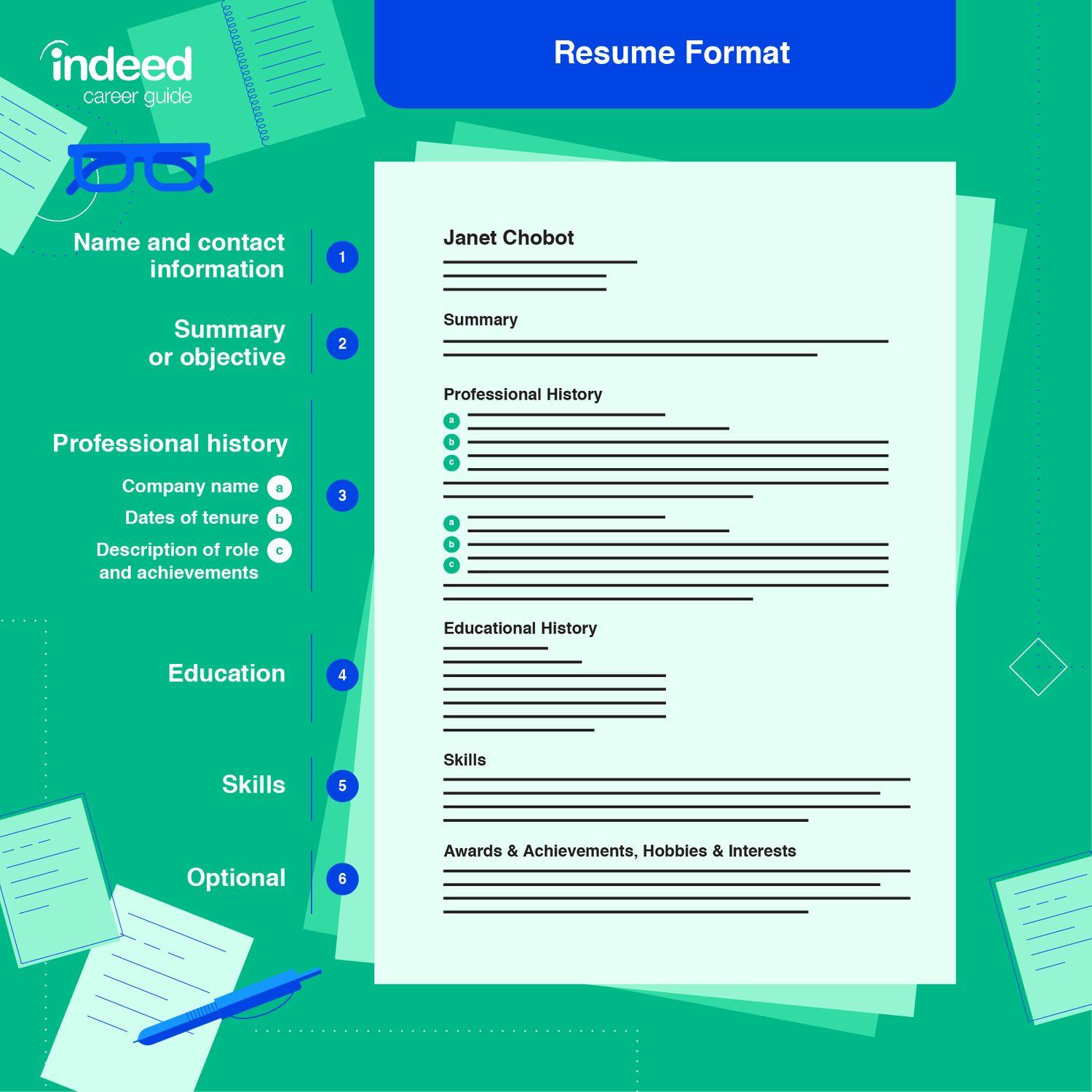
Tailor your resume and cover letter to highlight your instructional design skills,technology expertise,and portfolio. Search for job openings at universities, colleges, and schools.
Benefits of a Career as a Training Content Developer in Education technology
Pursuing a career as a training content developer presents numerous benefits, especially in academic settings:
- Job security: Educational institutions continue to invest in online learning, ensuring consistent demand for skilled professionals.
- Flexible and Remote Work Options: Many universities and schools offer remote or hybrid roles, allowing greater work-life balance.
- Impactful Work: you have the chance to shape the future of learning and help students achieve their educational goals.
- Competitive Compensation: Education technology roles frequently enough offer attractive salaries, especially for specialized content developers.
- Continued Learning: The field provides opportunities to continually develop your skills, with access to the latest technologies and educational philosophies.
Practical Tips for Job Seekers
Follow these actionable tips to position yourself for success and stand out to employers in education technology:
- Specialize in a Niche: Develop content expertise in specific subjects like science, math, language arts, or STEM to make yourself more marketable.
- Get Certified: Industry-recognized certifications (e.g.,Certified Professional in Learning and Performance,Google Educator Level 1 & 2) validate your knowledge and skills.
- Showcase Results: Highlight the impact of your content, such as improved learning outcomes, higher course completion rates, or positive feedback from students and faculty.
- Demonstrate Soft Skills: Employers value problem solving, adaptability, and teamwork. Provide examples in your resume and interviews.
- Use Data: Employ analytics to assess the effectiveness of your training modules and use insights to refine future content.
- Participate in Professional Development: Attend workshops, webinars, and online courses to keep your skills current and your resume competitive.
career progression and opportunities
Successful training content developers can take on advanced positions and diversify their careers within education technology. Potential career paths include:
- Senior Training Content Developer
- Instructional Designer or Learning Experience Designer
- EdTech Project Manager
- LMS Administrator
- Education Technology Consultant
- Director of Curriculum Development
Many universities, colleges, and schools also offer opportunities to work on large-scale digital learning projects, lead cross-functional teams, or influence institutional policies around teaching and learning technologies.
Interview Planning and Job Application Tips
Getting noticed by employers and succeeding in interviews requires preparation and strategy. Here are steps to help you shine:
- Customize Your Resume: Use keywords like “training content developer,” “instructional design,” “e-learning,” and “education technology.” Tailor your experience to match role descriptions.
- Prepare a Digital Portfolio: Include samples of interactive lessons, multimedia resources, and learning assessments you’ve created.
- Research Institutions: Learn about the university, college, or school’s mission, their current edtech initiatives, and the student populations they serve.
- Practice Common Interview Questions: be ready to discuss your process for developing content, collaborating with educators, and adapting materials to different learners.
- Ask Insightful Questions: In interviews, inquire about the institution’s curriculum development goals, technology platforms, and support for professional growth.
Essential Tools for training Content Developers
Effective training content developers rely on a broad set of tools. Consider becoming proficient with:
- Learning Management systems (LMS): Canvas, Moodle, Blackboard
- E-Learning Authoring Tools: Articulate Storyline, Adobe Captivate, lectora
- Multimedia and Design Software: Canva, Adobe Creative Suite
- Collaboration Platforms: Google Workspace, microsoft Teams
- Analytics and Reporting: Google Analytics, Tableau, LMS reporting modules
Conclusion
Becoming a successful Training Content developer in education technology is a journey filled with growth, creativity, and a positive impact on students’ learning experiences.By honing the right skills, building a strong portfolio, and continuously learning, you can unlock exciting opportunities at universities, colleges, and schools. The demand for digital learning experts continues to rise, making this a strategic and fulfilling career choice for aspiring edtech professionals. Start today and take the first steps toward transforming the future of education!