
How to Become an Academic Performance Analyst: Skills, Roles, and Career Guide
Are you passionate about leveraging data to enhance student outcomes and shape the future of education? A career as an Academic Performance Analyst could be the perfect fit for you. The role is rapidly evolving in the era of education technology, with universities, colleges, and schools seeking skilled professionals to analyse academic data, drive institutional strategies, and ensure student success.This comprehensive guide will walk you through everything you need to know about becoming an Academic Performance Analyst, including essential skills, key roles, career outlook, and actionable tips to launch your career in EdTech.
What is an Academic Performance Analyst?
An Academic Performance Analyst specializes in examining student data, course outcomes, and institutional performance to support evidence-based decision-making within educational settings. Operating at the intersection of education and technology, these professionals leverage data analytics tools to identify trends, diagnose academic challenges, and recommend actionable improvements. Whether in K-12 schools, colleges, or universities, the role is critical in fostering an surroundings of continuous academic betterment.
Key Responsibilities of an Academic Performance Analyst
The day-to-day duties of an Academic Performance Analyst are diverse and impactful. Here are the primary responsibilities you can expect in this role:
- Data Collection and Management: gather, clean, and organise large volumes of student performance data from various sources.
- Data Analysis: Utilize statistical and analytical tools (such as Excel, SPSS, R, or python) to interpret academic trends and performance indicators.
- Reporting & Visualization: Create informative reports and data visualizations for stakeholders, including teachers, administrators, and policymakers.
- Program Evaluation: Assess the effectiveness of academic programs, interventions, and teaching strategies using quantitative and qualitative data.
- Stakeholder Dialog: Present findings to non-technical audiences and collaborate with faculty, IT, and administrative teams to drive evidence-based improvements.
- Compliance & Accreditation Support: Assist in gathering data and documentation required for institutional accreditation and compliance with education standards.
- Technology integration: Work closely with EdTech tools and learning management systems (LMS) to ensure robust data integration and analysis capabilities.
Essential Skills for an Academic Performance Analyst
Succeeding as an Academic Performance Analyst requires a blend of technical, analytical, and interpersonal skills. Here are the top skills you should develop:
- Data Analysis & Statistical Skills: Proficiency in data analytics software (e.g., Excel, tableau, PowerBI, R, Python) and statistical methodologies.
- Critical Thinking: Ability to draw actionable insights from complex data sets and identify underlying issues affecting academic performance.
- Communication: Strong written and verbal skills to explain data findings to diverse audiences, including educators and administrators.
- Problem-Solving: Resourcefulness in devising solutions to academic challenges based on data-driven evidence.
- Attention to Detail: High accuracy and vigilance in handling sensitive educational data.
- educational Technology Literacy: Familiarity with learning management systems (LMS), student information systems (SIS), and other EdTech platforms.
- Project Management: Ability to manage multiple projects,deadlines,and stakeholders efficiently.
Steps to Become an Academic Performance Analyst
If you’re ready to embark on this rewarding career in academic data analysis, follow these step-by-step guidelines:
-
Earn the Necessary Education
- Bachelor’s degree in Data Science, Educational Psychology, Statistics, Education, or a related field is typically required.
- A master’s degree in Educational Data Analytics, Educational Leadership, or similar fields can offer a competitive edge.
-
Develop Technical and Analytical skills
- Take online courses or certifications in statistics, data visualization, and programming languages (Python, R).
- Gain experience with EdTech tools, data management platforms, and dashboards.
-
Obtain Relevant Experience
- Pursue internships, volunteer roles, or entry-level positions in education institutions, research centers, or EdTech companies.
- Participate in academic research projects or assist in data-driven school initiatives.
-
network and Engage With the EdTech Community
- Attend education technology conferences and seminars.
- Join professional associations related to institutional research or academic analytics.
-
Stay Current With Industry Trends
- Follow trends in academic analytics, data privacy, and emerging EdTech tools.
-
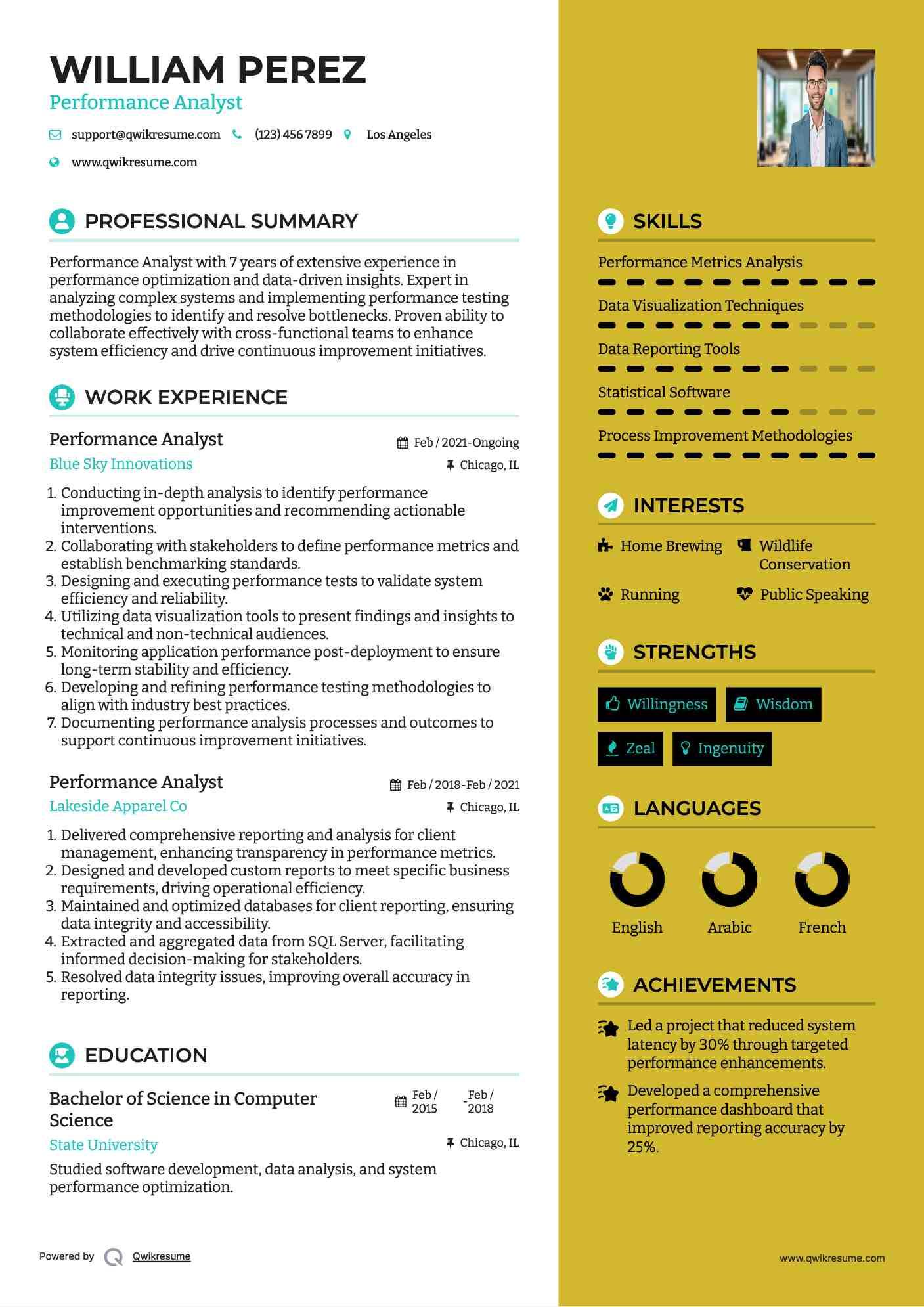
prepare a Targeted Resume and Portfolio
- Highlight your data analysis projects, technical proficiencies, and impact results.
- Showcase dashboards, reports, or papers you have developed in an online portfolio.
Career Path and Opportunities
The demand for Academic Performance Analysts is rising as education institutions embrace data-driven decision-making and new educational technologies. Here are potential career advancement outcomes:
- Entry-Level: Data Analyst, Research assistant, Institutional Research Analyst
- Mid-Level: Academic performance Analyst, Educational Data Specialist, assessment Coordinator
- Advanced: Director of Institutional Research, Academic Analytics Manager, Chief Data Officer (Education sector)
Opportunities exist in a variety of settings:
- Universities and Colleges
- K-12 school Districts
- Education Technology (EdTech) Firms
- government education agencies
- education Non-Profits and Research Organizations
Benefits of Being an Academic Performance Analyst
Pursuing a role as an Academic Performance Analyst in education technology offers numerous benefits:
- High Demand: Institutions are increasingly seeking professionals skilled in data interpretation and educational improvement.
- Impactful Work: Directly influence student achievement and coaching faculty for academic excellence.
- Dynamic Environment: Opportunities to work with cutting-edge EdTech and the latest academic research.
- Professional Growth: Access to ongoing learning, interdisciplinary projects, and leadership roles.
- Flexibility: Many positions offer hybrid or remote work options.
Practical Tips to Secure a Job as an Academic Performance Analyst
Here are actionable steps to boost your chances of landing an academic performance analyst job at a university, college, or school:
- Customize Your Resume: Tailor your application materials for each job posting, emphasizing relevant skills and accomplishments.
- Build a Standout Portfolio: Share projects, dashboards, or data analyses you’ve completed, preferably with a focus on education.
- Gather References: Secure recommendations from educators, mentors, or supervisors who can vouch for your analytical and collaborative abilities.
- Practice Interviewing: Prepare for both technical and situational questions. Be ready to discuss past projects, problem-solving methods, and practical outcomes.
- Showcase Soft Skills: Highlight your ability to communicate complex data in an understandable way to non-technical stakeholders.
- Stay Up-to-Date: Continuously refresh your knowledge of EdTech tools, educational policy changes, and new data analysis techniques.
Conclusion
Becoming an Academic Performance Analyst is a smart, forward-looking career choice for those who are passionate about education and adept at working with data. As the field of education technology continues to expand, skilled analysts will play a crucial role in improving academic outcomes across universities, colleges, and schools. by building the right educational foundation, developing technical and soft skills, and actively engaging with the EdTech community, you can carve out a rewarding and influential career in academic analytics. Start your journey today and make a tangible impact in the world of education!