
How to Become an Education Data Scientist: Skills, Roles, and Career Path Explained
The landscape of education is rapidly evolving, powered by technology and data-driven insights. Universities, colleges, and schools are leveraging education data science to make smarter decisions, improve student learning outcomes, and drive institutional success. If your interested in building a meaningful career at the intersection of data science and education technology, the role of an Education Data Scientist offers unique opportunities to impact learning environments directly. this comprehensive guide breaks down what it takes to become an Education Data Scientist, the essential skills required, key responsibilities, career pathways, and practical tips for job seekers.
What Is an Education Data Scientist?
An Education Data Scientist is a specialist who uses data analytics, machine learning, and statistical methods to analyze educational data and extract actionable insights. Working within universities, colleges, or K-12 schools, these professionals help improve teaching strategies, predict student success, optimize resource allocation, and inform policy decisions by leveraging data.
why Pursue a Career as an Education Data Scientist?
- Impactful Work: Directly contribute to improving educational outcomes for students.
- Rapidly Growing Field: The EdTech sector and data science are both on the rise, offering stable and rewarding career prospects.
- Challenging and Diverse Projects: Work on a blend of academic research and applied data analysis.
- Collaboration: Partner with educators, administrators, technology experts, and policymakers.
Key Responsibilities of an Education Data Scientist
the role of an Education Data Scientist extends across various functions depending on the size and mission of the institution. Typical responsibilities include:
- Collecting, cleaning, and organizing large datasets from academic systems, learning management platforms, and assessment tools.
- Conducting statistical analysis and predictive modeling to identify trends in student performance, retention, and engagement.
- Developing dashboards and data visualizations to communicate findings to non-technical stakeholders like teachers or administrators.
- Designing and running A/B tests to evaluate the effectiveness of new teaching methods or educational technologies.
- Ensuring compliance with student data privacy laws and ethical data usage policies.
- Collaborating on interdisciplinary projects with faculty, instructional designers, and IT teams.
- Publishing reports, supporting grant applications, or contributing to academic research based on institutional data studies.
Essential Skills for Education Data Scientists
To thrive as an Education Data Scientist, a strong blend of technical, analytical, and interpersonal skills is essential. Let’s explore the most in-demand skills in this career path:
1. Data Analysis & Statistical Skills
- Proficiency in data cleaning, exploration, and statistical testing.
- Experiance with statistical programming languages such as Python or R.
- Knowledge of machine learning algorithms and predictive modeling techniques.
2. Education Technology Applications
- Familiarity with Learning Management Systems (LMS), student data systems, and education analytics tools.
- Understanding of assessment data, e-learning metrics, and digital classroom management platforms.
3. Data Visualization & Interaction
- Proficiency in tools like Tableau, Power BI, or Google Data Studio.
- Ability to create intuitive dashboards and reports for educators and administrators.
- Strong written and verbal communication skills to convey complex insights effectively.
4. Educational Research Fundamentals
- Knowledge of assessment design, learning theory, and educational research methodologies.
- Ability to interpret and apply educational data within the context of teaching and learning goals.
5. Data Ethics & Privacy
- Awareness of FERPA, GDPR, and other student data privacy regulations.
- Commitment to ethical data collection, usage, and reporting practices.
Education and Qualifications
The typical educational pathway to becoming an Education Data Scientist includes the following:
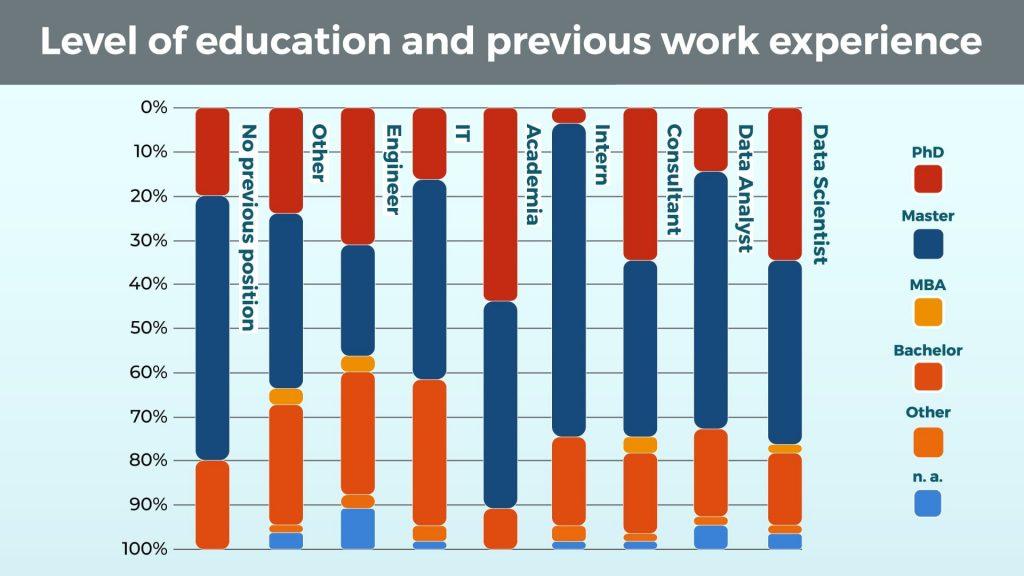
- Bachelor’s Degree: Usually in computer science, statistics, mathematics, education, or a related STEM field.
- Master’s Degree (Preferred): Advanced degrees in Education data Science, Educational Technology, Data Analytics, or similar disciplines enhance job prospects, especially at research-intensive universities.
- Certifications: Additional certifications in data analytics, machine learning, or specific EdTech platforms are beneficial.
- Relevant Experience: Internships, research projects, or practical work in educational settings or data-focused roles.
Career Pathways and Advancement
your career as an Education Data Scientist can follow several trajectories across higher education, K-12 schools, education technology companies, or government agencies. Common career progression includes:
- Entry-Level: Data analyst, Assessment Analyst, Education Research Assistant.
- Mid-Level: education Data Scientist, Learning analytics Specialist, Institutional Researcher.
- Senior-level: Lead Data scientist,Director of Learning Analytics,Head of Institutional Research,EdTech Product Manager.
Transitioning between sectors (for example, from K-12 to higher education or to edtech companies) is possible, especially with a strong network and ongoing upskilling.
Practical Tips for Aspiring Education Data Scientists
- Build a Strong Portfolio: Work on real-world projects showcasing your ability to analyze and visualize education data.
- Stay Updated: Follow edtech and data science trends by reading academic journals, blogs, and attending webinars or conferences.
- Connect with Professionals: Join professional associations such as the Learning Analytics Community or Institutional Research groups.
- Gain Classroom Insight: Understanding the realities of teaching and learning enriches your data analysis. Volunteer or consult with teachers and educational leaders.
- Brush Up on Soft Skills: Collaboration, presentation, and storytelling skills are highly valued in multidisciplinary teams.
- Continuous learning: Consider online courses in machine learning, data visualization, or specialized EdTech platforms to enhance your skillset.
Benefits of Working as an Education Data Scientist
- high Demand: The growing focus on data-driven decision-making in education ensures steady demand for data-savvy professionals.
- Opportunities for Innovation: Influence the growth of new tools, teaching methods, and student success strategies.
- Fulfilling Outcomes: Make a difference in learners’ journeys by shaping educational policies and practices.
- Flexible Work Environments: Opportunities for remote work, consulting, and cross-institutional projects.
- Competitive Salaries: Education Data Scientists often command attractive compensation, especially in higher education and EdTech sectors.
Frequently asked Questions About the Education Data Scientist Role
What are the top programming languages for education data scientists?
The most commonly used programming languages are Python and R, due to their versatility and vast libraries for statistical and machine learning tasks. SQL is essential for managing and querying databases, while knowledge of JavaScript or D3.js can be beneficial for custom data visualizations.
What industries hire education data scientists?
Besides universities and schools, education data scientists are recruited by EdTech companies, government agencies, research institutes, and non-profits focused on education policy and outcomes.
What is the typical salary range?
Salaries vary depending on the institution and location. Entry-level analysts may earn between $60,000 and $80,000 annually, while experienced education data scientists and managers can command well over $100,000, especially in major metropolitan areas or at large universities.
Conclusion
Pursuing a career as an Education Data Scientist combines the power of data science with the rewarding mission of enhancing educational outcomes. With the right mix of analytical expertise, technical proficiency, and a genuine passion for learning, you can make a measurable impact in universities, colleges, and schools through education technology. Whether you’re just starting your journey or looking to pivot your data science career into education,now is an exciting time to join this dynamic field. Equip yourself with the right skills, stay curious, and you’ll be well on your way to becoming a triumphant Education Data Scientist.