
How to Become an Education Data Scientist: skills, Roles, and Career Paths Explained
Are you passionate about harnessing the power of data to transform learning and education? A career as an Education Data Scientist could be the perfect fit. As more schools, colleges, and universities embrace technological innovation, the demand for skilled professionals who understand both data science and the intricacies of the educational landscape is rising sharply. In this comprehensive guide, we’ll explain what it takes to become an education data scientist, the essential skills required, day-to-day roles, career paths, benefits, and practical tips to land your next job in the field of education technology.
What is an Education Data Scientist?
An education Data Scientist is a specialized professional who applies data science techniques to educational settings, analyzing large volumes of data from students, educators, and institutions. By leveraging predictive analytics, machine learning, and data visualization, education data scientists help inform decisions that improve learning outcomes, enhance teaching strategies, and optimize educational processes across schools, universities, and colleges.
Why is Education Data Science Significant?
- Personalized Learning: Identifies unique student needs and creates tailored educational experiences.
- Student Retention: Predicts at-risk students and informs intervention strategies.
- Policy and Planning: Provides data-driven insights for curriculum development and institutional planning.
- Resource Allocation: Optimizes utilization of educational technology tools and faculty resources.
- Assessment and Outcomes: Helps measure the effectiveness of teaching methods and technologies.
Key Responsibilities of an Education Data Scientist
The specific duties of an education data scientist can vary depending on the institution, but common responsibilities include:
- collecting, organizing, and cleaning large datasets from educational systems such as Learning Management Systems (LMS), attendance records, and assessment tools.
- Designing and implementing statistical models and machine learning algorithms to uncover patterns and predict outcomes.
- Translating complex data findings into actionable insights for teachers, administrators, and policymakers.
- Developing dashboards and data visualization tools to communicate trends and insights.
- Collaborating with IT teams, instructional designers, and academic researchers on educational technology projects.
- Maintaining compliance with data privacy regulations such as FERPA or GDPR.
Essential Skills for Education Data Scientists
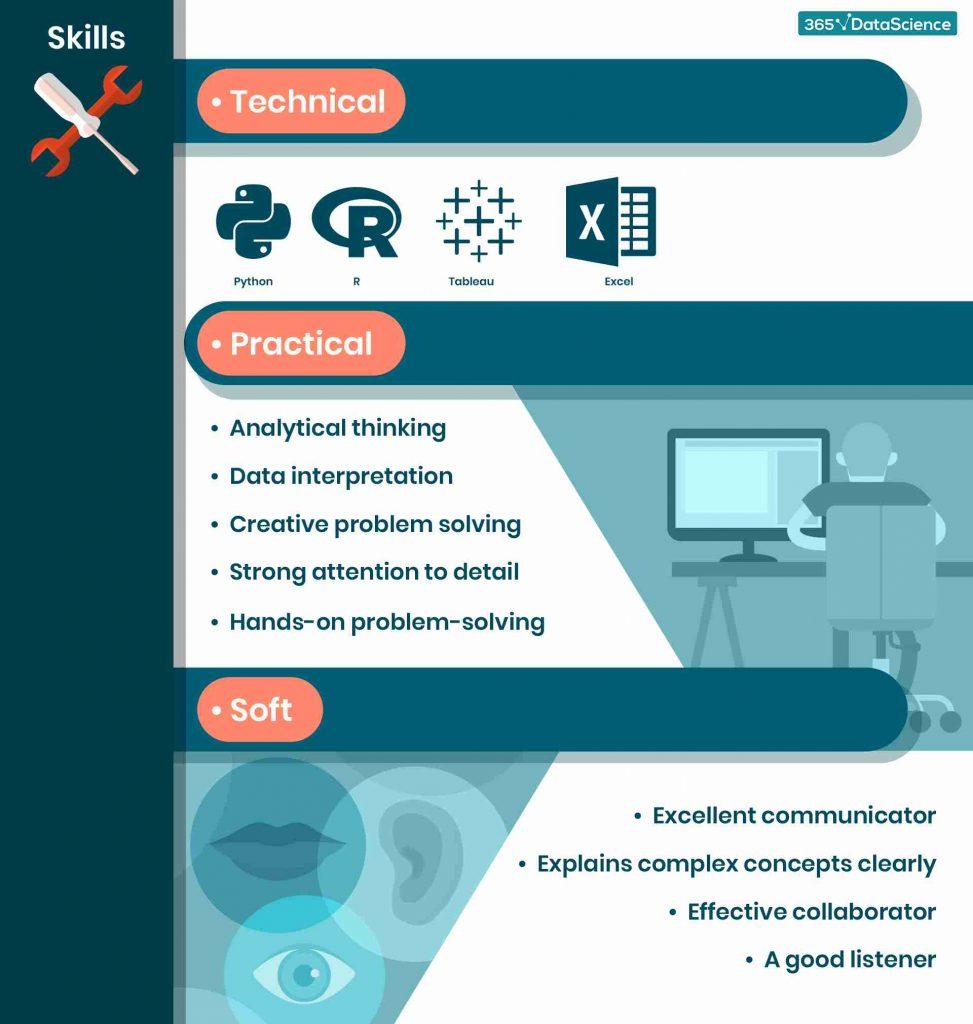
To succeed as an education data scientist,you’ll need a blend of technical skills,analytical abilities,and a keen understanding of the education sector. Here are the core competencies:
Technical Skills
- Programming: Proficiency in Python, R, or similar languages for data analysis.
- Data Management: Experience with SQL, data cleaning, and database management.
- Machine Learning: Knowledge of supervised and unsupervised learning, regression analysis, and clustering methods.
- Statistical Analysis: Understanding of statistical tests,hypothesis testing,and statistical inference.
- Data Visualization: Familiarity with tools like Tableau, Power BI, or open-source libraries (Matplotlib, Seaborn).
Education-specific Knowledge
- Understanding of Educational systems: Knowledge of K-12, higher education, or online learning environments.
- Learning Analytics: Ability to analyze and interpret student performance and engagement metrics.
- Education Technology (EdTech) Tools: Familiarity with common platforms like Moodle, Blackboard, Canvas, or Google Classroom.
Soft Skills
- Communication: Ability to translate technical findings to non-technical stakeholders.
- collaboration: Experience working in multidisciplinary teams.
- Problem-Solving: Creative and critical thinking to tackle diverse educational challenges with data-driven approaches.
Educational Background and Certifications
Most education data scientist positions require at least a bachelor’s degree in a quantitative discipline, with many preferring candidates holding advanced degrees (master’s or Ph.D.) in fields such as:
- Data Science or Analytics
- Statistics or Mathematics
- Computer Science
- Educational technology
- Education Research or Educational Psychology
Additional certifications can enhance your resume and skill set, including:
- Certified Data Scientist or Data Analyst (from reputable platforms or professional bodies)
- Courses in machine learning, deep learning, or data engineering
- Specialized training in learning analytics or educational measurement
Career Paths and Advancement Opportunities
entering the field as an education data scientist opens doors to several exciting roles in education technology:
- Data Analyst or Junior Data Scientist (entry-level positions)
- Learning Analytics Specialist
- EdTech Product Manager (with a focus on data-driven development)
- research Scientist in Education Technology
- Director of institutional Research (senior/leadership roles)
- Chief Data Officer (executive positions in educational organizations)
As you gain experience, you may also branch into consulting, policy development, or academic research.
Benefits of Being an education Data Scientist
- Job Security: High demand in schools, colleges, and higher education institutions investing in educational technology.
- Meaningful Impact: Your work directly contributes to student success and institutional effectiveness.
- Continuous Learning: Evolving technologies and new educational challenges keep the role dynamic and intellectually stimulating.
- Competitive Salaries: Salaries for data scientists in the education sector are attractive, especially in higher education and EdTech startups.
- Career Adaptability: Opportunity to work in public or private sectors,and to move between education,technology,and research roles.
Practical tips for Starting your Education Data Science Career
- Build a specialized Portfolio: Develop projects that showcase your ability to analyze educational data — such as, student retention models or learning pattern visualizations.
- Stay Updated on EdTech Trends: Follow industry news and advancements in educational technology, artificial intelligence in classrooms, and data privacy regulations.
- Network with Professionals: Attend education technology conferences, join online forums, or connect with education data science communities.
- Volunteer or Intern: seek internships or volunteer roles in school research offices, university analytics departments, or EdTech startups.
- Sharpen Communication Skills: Practice explaining complex data concepts to educators, administrators, and non-technical audiences.
- Pursue Continuous Learning: Take online courses in advanced analytics, machine learning, and education research methodologies.
how to Apply for Education Data Science Jobs
Finding and landing your first job as an education data scientist requires a strategic approach:
- Tailor Your Resume: Highlight relevant skills and educational experience. Use keywords like “educational data analytics,” “learning analytics,” “EdTech data scientist,” and “education data visualization.”
- Utilize Job Boards: Search for openings specifically within universities, colleges, schools, and educational technology companies.
- showcase Impact: In your cover letter and portfolio, demonstrate how your work can directly improve learning outcomes or institutional performance.
- Prepare for Interviews: Be ready to discuss not only your technical expertise but also your understanding of educational challenges and regulatory requirements.
Conclusion: Launch Your Career as an education Data Scientist
The intersection of education and data science is one of the most promising and impactful fields in today’s technology-driven world. If you have a passion for both analytics and educational advancement,a career as an Education Data Scientist can offer you opportunities to innovate,influence,and improve the way knowledge is delivered and measured in schools,colleges,and universities. By cultivating the right blend of technical, educational, and interpersonal skills, you’ll be well-positioned to take meaningful roles in education technology. Start by building your skills, networking, and embracing the latest trends in edtech — and you’ll be on your way to a rewarding and impactful career.