
how to become an Education Data Scientist: Skills, Roles, and Career Paths
The landscape of education is rapidly evolving, with technology and data analysis playing increasingly central roles in the success of universities, colleges, and schools. If you’re passionate about using data to enhance learning experiences and student outcomes, a career as an education data scientist could be your perfect fit. In this complete guide, we’ll cover everything you need to know about how to become an education data scientist, the key skills required, different job roles, potential career paths, practical tips, and the benefits of pursuing this unique and impactful career in education technology.
What Is an Education Data Scientist?
An education data scientist specializes in collecting, analyzing, and interpreting educational data to inform decision-making within academic institutions.Their work supports improvements in teaching methods, curriculum design, student retention, performance tracking, and administrative efficiency. education data scientists blend expertise in data science, educational theory, and institutional goals to drive positive change in the education sector.
Key skills Required to Become an Education Data Scientist
To break into education technology as a data scientist, you’ll need a diverse set of both technical and soft skills. Here are the essential abilities that will help you thrive in this dynamic field:
- Data Analysis and Statistical Skills: Proficiency in analyzing complex datasets using statistical methods is crucial. familiarity with tools like Python, R, or SPSS and the ability to manipulate, clean, and visualize data sets you apart.
- Programming Skills: Strong knowledge of programming languages such as Python or R is fundamental for data processing and predictive modeling in education technology environments.
- Database Management: Understanding SQL and database management enables you to retrieve and organize large volumes of educational data from diverse sources such as Learning Management Systems (LMS).
- Machine Learning: Developing predictive and prescriptive analytics models requires familiarity with machine learning algorithms and libraries,particularly those tuned for educational applications.
- Domain Knowledge in Education: Insight into educational theory,pedagogy,and institutional requirements will help align your analyses with real-world academic needs.
- Data Visualization: Ability to present insights clearly and compellingly with data visualization tools such as Tableau, Power BI, or Python visualization libraries.
- Dialog and Storytelling: Translating quantitative findings into actionable recommendations for educators, administrators, and non-technical stakeholders requires strong communication skills.
- Problem-Solving: A curious mind and practical approach to addressing challenges in educational settings is invaluable for driving impactful solutions.
- Ethics and Data Privacy: Knowledge of data privacy regulations (such as FERPA) and ethical use of student data is essential in educational institutions.
Roles and Responsibilities of an Education Data scientist
Education data scientists contribute to various aspects of academic life. here are some typical job roles and duties you might find in this growing field:
- Collecting and processing data from digital learning platforms, student records, and assessment tools.
- Building statistical models to predict student performance, risk of dropout, or the effectiveness of instructional methods.
- Analyzing institutional data to identify trends, disparities, and opportunities for process improvement.
- Developing dashboards and reports for educators, administrators, and policymakers.
- collaborating with faculty, instructional designers, and IT staff to design data-informed interventions and strategies.
- Ensuring data quality, integrity, and compliance with institutional data security policies.
- Advising on the adoption and optimization of educational technologies based on analytic findings.
- Contributing to grant proposals, academic research, and institutional accreditation activities.
Educational Requirements and Recommended Pathways
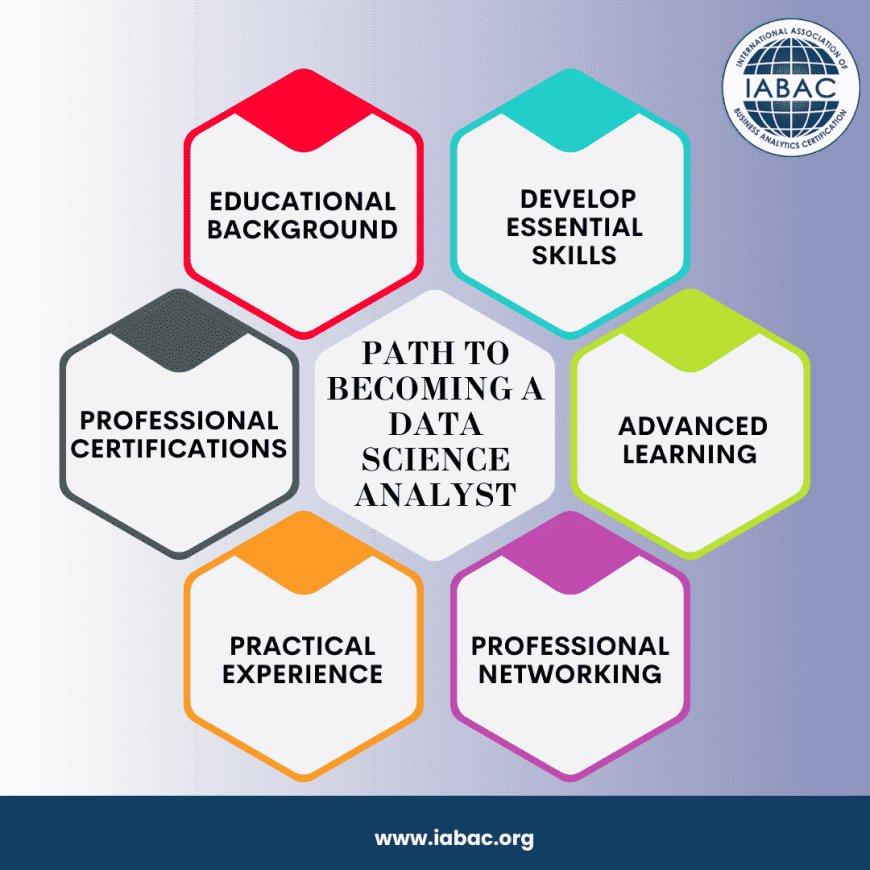
Most education data scientist roles require advanced education, typically at the graduate level. Here is a suggested trajectory for aspiring professionals:
- Obtain a Bachelor’s Degree: Start with a degree in mathematics, statistics, computer science, education, or a related field.
- Pursue Graduate Studies: A Master’s or Ph.D. in data science, learning analytics, education technology, or educational psychology will greatly enhance your job prospects.
- Earn Relevant Certifications: Consider certifications in data analysis, programming, or specialized educational technology platforms to bolster your experience.
- Participate in Internships or Projects: Practical experience through internships, research assistant roles, or real-life data projects in educational settings is highly valued.
Career Paths and Advancement opportunities
Education data scientists can pursue a variety of roles depending on their interests and expertise:
- Data Analyst or Data Scientist in Academic Affairs: Work with institutional data to improve student outcomes, support accreditation, and guide curriculum progress.
- Learning Analytics Specialist: Focus on analyzing student behavior and engagement on digital platforms to enhance course design and delivery.
- Assessment and Evaluation Expert: Design and analyze assessments to measure learning effectiveness and inform policy decisions.
- EdTech product Data Scientist: Support educational technology companies in optimizing their products for academic institutions.
- Education Policy Analyst: Inform educational policies at universities, colleges, or government agencies based on data-driven insights.
- Director of Institutional Research: Lead institutional research offices, manage analytical teams, and shape academic strategies at the executive level.
Benefits of Becoming an Education Data scientist
Choosing a career as an education data scientist offers a unique blend of personal and professional rewards:
- Impactful Work: Directly contribute to improving educational outcomes and institutional effectiveness.
- Growing Demand: The rise in digital learning and data-driven decision-making means strong,consistent demand across schools,colleges,and universities.
- Diverse Opportunities: Work at the intersection of technology, education, and research, opening doors to various roles and projects.
- Competitive Salaries: Education data scientists are increasingly valued and command attractive compensation packages.
- Continuous Learning: stay at the forefront of both educational trends and technological advancements.
- Collaboration: Engage with educators,administrators,IT professionals,and students in collaborative,mission-driven environments.
Practical Tips for Launching Your Career in Education Data Science
Whether you’re just starting your journey or looking to make a career transition into education technology, here are actionable steps to help you succeed as an aspiring education data scientist:
- Stay Informed: Keep up with trends in education technology, data science, and learning analytics through journals, conferences, and online courses.
- Network: Connect with professionals in higher education, edtech companies, or academic consortia. Join relevant communities or associations dedicated to education data science.
- Build a Portfolio: Document projects showcasing your ability to handle real-world datasets, especially those related to educational improvement.
- Focus on Communication: Develop the ability to explain technical insights in accessible, user-friendly language for a range of audiences.
- Emphasize Ethical Practice: Demonstrate your understanding of privacy regulations and ethical use of sensitive student data.
- Seek Mentorship: Find mentors in academic or industry roles who can provide guidance, feedback, and professional recommendations.
- Embrace Lifelong Learning: Data science and education change rapidly; be ready to continually update your skills.
Conclusion
Becoming an education data scientist opens up exciting opportunities to make a tangible difference in the way educational institutions serve students, enable faculty, and shape the future of learning. With the right combination of technical expertise, educational insight, and a passion for making data-driven decisions, you can launch a dynamic and fulfilling career in education technology. Start building your foundation, seek relevant experience, and take proactive steps toward this rewarding role—your work could be the key to transformative change in education.