
How to Become an Online Course Designer: Skills, Tips & Career Guide
Are you passionate about transforming education? Do you dream of shaping the future of learning at universities, colleges, or schools? if so, a career as an online course designer might be the perfect opportunity for you. The surge in education technology and distance learning has made online course designers more crucial than ever. In this comprehensive guide, we’ll walk you through how to become an online course designer, the essential skills you need, benefits of the role, and actionable career tips to help you thrive in this growing field.
What Does an Online Course Designer Do?
Online course designers, sometimes called Instructional Designers or eLearning Developers, are professionals who develop, organize, and implement digital learning experiences for students. They collaborate with educators and subject matter experts to translate customary curriculum into engaging and effective online content, ensuring accessibility and interactivity across platforms.
- Planning and structuring online courses for various subjects
- Creating multimedia teaching materials, such as videos, quizzes, and interactive simulations
- Ensuring courses meet accessibility standards (like ADA or WCAG guidelines)
- using Learning Management Systems (LMS) such as Moodle, Blackboard, or Canvas
- Analyzing student feedback and performance to improve course effectiveness
Why Choose a Career in Online Course Design?
As demand for remote education grows, online course designers are in high demand across universities, colleges, and K-12 schools. Here are some key benefits of pursuing a career in education technology as a course designer:
- impactful Work: Enhance learning experiences for students of all ages globally.
- Career Versatility: Opportunities exist in academia, corporate training, nonprofit, and goverment sectors.
- Remote Flexibility: Many positions allow for full or partial remote work.
- continuous Learning: Stay at the forefront of technology and pedagogical trends.
- Attractive Compensation: Competitive salaries and growth opportunities.
essential Skills for Online Course Designers
Excelling as an online course designer involves a mix of digital, educational, and interpersonal skills. These are some of the most important competencies for success:
1. Instructional Design Knowledge
- Understanding of frameworks like ADDIE, SAM, or Bloom’s Taxonomy
- Experience creating learning objectives and assessment tools
2. technology Proficiency
- Skilled in Learning Management Systems (LMS): Moodle, Canvas, Blackboard, etc.
- Ability to use authoring tools such as Articulate Storyline, adobe Captivate, or Camtasia
- Familiarity with basic HTML, CSS, or multimedia editing is a plus
3.Visual Design and Accessibility
- Basic graphic design principles for engaging course layout
- Awareness of universal design for learning and digital accessibility best practices
4. Project Management and Collaboration
- Strong organizational skills to manage timelines and deliverables
- ability to communicate and collaborate with educators, administrators, and tech teams
5. Analytical and Problem-Solving Skills
- Data-driven mindset to evaluate and enhance course effectiveness
- Capable of troubleshooting technical or pedagogical challenges
Steps to Become an Online course Designer
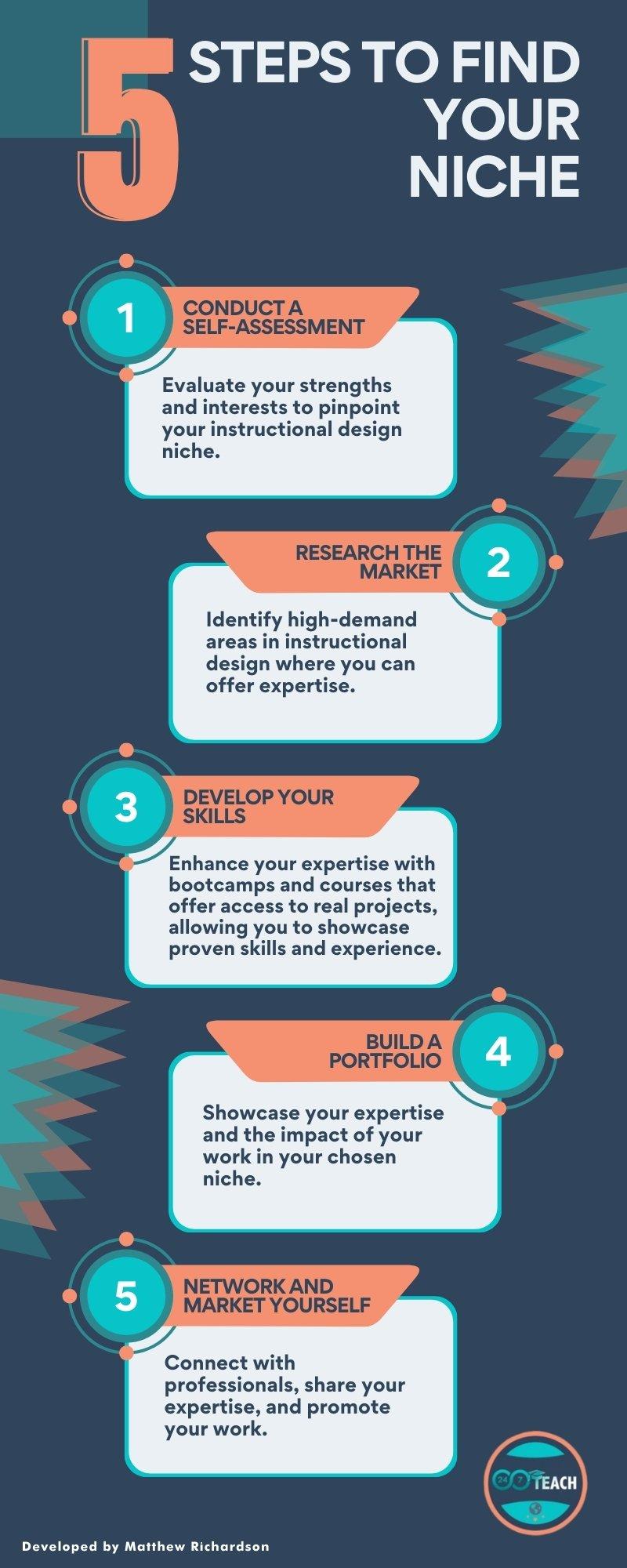
The journey to becoming a successful online course designer combines formal education, practical experience, and ongoing professional progress. Here are the key steps:
-
Earn a relevant Degree
- Bachelor’s degree in Education, Instructional Design, Educational Technology, Curriculum Development, or related field
- Some roles may require a Master’s degree or specialized certification
-
Gain Practical Experience
- Volunteer or intern in educational technology departments at schools or universities
- Create your own sample modules or participate in freelance projects to build a portfolio
-
Develop Technical Skills
- Take online courses in LMS tools, web-based authoring software, and accessibility standards
- Stay updated on eLearning trends and best practices
-
Build a Professional Portfolio
- Showcase your course designs, multimedia assets, and learning assessments
- Include before-and-after examples and quantifiable results where possible
-
apply for Online Course Designer Jobs
- Look for positions at universities, colleges, schools, and education technology companies
- Tailor your resume and cover letter to highlight your instructional design skills and portfolio
-
Pursue Continuing education
- Participate in workshops and conferences on instructional design and eLearning
- Earn industry-recognized certifications in instructional design or eLearning
Practical Tips for Landing Your First Online Course Design Job
- Network: Join professional groups in instructional design and educational technology. Attend virtual or in-person conferences to meet potential employers and mentors.
- Stay Current: Regularly update your knowledge on new education technology tools, teaching methods, and accessibility guidelines.
- Request Feedback: Share sample projects with teachers or learners and incorporate their suggestions.
- highlight Results: Quantify the impact of your work, such as improved student engagement, higher completion rates, or enhanced learning outcomes.
- Demonstrate Adaptability: Share examples of how you’ve tackled design challenges or worked with diverse subjects.
- Be Passionate: Show your genuine interest in transforming education and supporting student success through technology.
Career Growth and Advancement Opportunities
Once you’ve landed your first job as an online course designer, there are many paths for professional growth in education technology. You might specialize in curriculum leadership, project management, or niche areas such as mobile learning or gamification.With experience,advancement options include:
- Senior Instructional Designer
- eLearning Project Manager
- Director of Curriculum development
- Educational Technology Consultant
- faculty Development Coordinator
These roles frequently enough offer increased responsibility,higher salaries,and the chance to influence the strategic direction of digital education at your institution.
Conclusion
Becoming an online course designer opens doors to a fulfilling career at the cutting-edge of education technology. By developing essential instructional design skills,harnessing the power of digital tools,and continuously updating your portfolio,you can help shape the future of education for universities,colleges,and schools. Whether you’re just starting out or looking to transition from classroom teaching, the dynamic world of online course design offers limitless opportunities to grow, innovate, and make a lasting impact in education. Start your journey today and empower students around the world to learn in new and exciting ways!