
How to Design Effective Microlearning Modules: Best Practices for Maximum Engagement
Microlearning is revolutionizing the way organizations deliver training and education. By focusing on short, targeted bursts of content, it offers learners maximum versatility, faster skill acquisition, and improved retention. But how can you ensure your microlearning modules engage learners and deliver real results? In this thorough guide,we’ll explore the best practices for designing effective microlearning modules,share practical tips,and highlight why microlearning is a game-changer for employee training and lifelong learning.
What is Microlearning and why Does It Matter?
Microlearning refers to bite-sized educational experiences designed to convey specific learning objectives in a brief period—typically 2-10 minutes per module. These modules are easily digestible,highly focused,and often accessible anytime,anywhere. microlearning has gained popularity due to it’s adaptability to modern work environments, busy schedules, and diverse learner needs.
- Flexibility: Learners can access training at their convenience—ideal for remote teams and mobile users.
- Focus: Each microlearning module targets a single learning outcome.
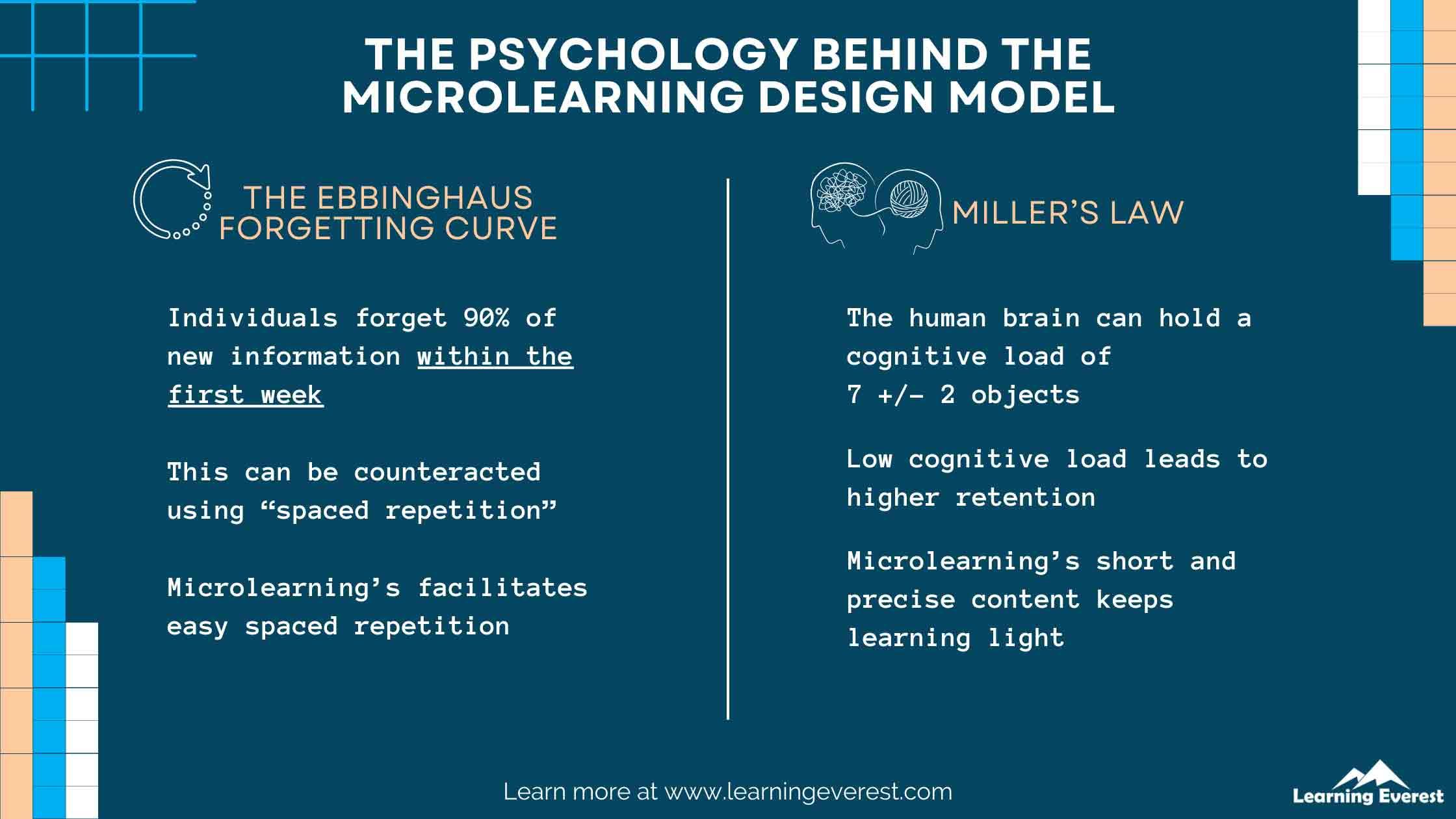
- Retention: Short, engaging lessons improve knowledge retention and reduce cognitive overload.
Benefits of microlearning Modules
Designing effective microlearning modules can yield considerable benefits for organizations and learners alike. Here are the top advantages:
- Accelerated Learning: Employees grasp concepts quickly, enabling faster request on the job.
- Increased Engagement: Interactive and concise modules help combat learner fatigue and encourage active participation.
- Cost effectiveness: Microlearning reduces growth and delivery costs compared to customary long-form courses.
- Scalability: Modules can be easily updated or repurposed to meet evolving training needs.
Best Practices for Designing Effective Microlearning Modules
Maximize engagement and learning outcomes by following these proven best practices for microlearning design:
1. Define Clear Learning objectives
- start by identifying the core learning outcome for each microlearning module.
- Ensure objectives are specific, measurable, and achievable.
Tip: Use action verbs and state what learners should be able to do after completing the module.
2. Focus on One Topic per Module
- Avoid overwhelming learners by sticking to a single concept or skill per module.
- Break larger topics into a series of microlearning units for more manageable learning.
3. Make Content Relevant and practical
- Ensure your microlearning module addresses real-world challenges relevant to your audience.
- Use scenarios, case studies, or examples that learners can relate to.
4. Optimize for Mobile and accessibility
- Design modules with mobile devices in mind, using responsive layouts and clear, readable fonts.
- Provide transcripts and captions for audio and video content to ensure accessibility.
5. Use Engaging and Varied Formats
- Incorporate videos, infographics, quizzes, and interactive elements to cater to different learning styles.
- Add gamification features such as badges, leaderboards, and rewards to motivate learners.
6. Keep Content Concise and Actionable
- Limit modules to 2-10 minutes in length for optimal engagement.
- Structure content logically with clear headings,bullet points,and summaries.
7. Enable Self-Paced Learning
- Allow learners to proceed at their own pace, revisit modules, and track progress easily.
- Provide on-demand access and easy navigation via learning management systems or mobile apps.
8. Integrate Assessments and Feedback
- Use brief quizzes, polls, or scenario-based questions to reinforce learning.
- Offer instant feedback to help learners understand mistakes and correct misconceptions.
9. Regularly Update Content
- Review microlearning modules periodically to ensure content is accurate and up-to-date.
- Solicit learner feedback and monitor analytics to improve module effectiveness.
Practical Tips for Creating Engaging Microlearning Experiences
Apply these practical strategies in your microlearning development workflow:
- Storyboard before Creation: map out module structure and interactions before producing content.
- Use Visual Hierarchy: highlight key points using bold, color accents, or WordPress block styling for emphasis.
- Less is More: Remove unneeded text, images, or media that don’t directly support learning objectives.
- Leverage Technology: Utilize WordPress plugins or eLearning platforms to streamline module development and delivery.
- Test with Real Users: Pilot modules with a sample group and gather feedback for refinement.
Case Study: Microlearning Success in a Corporate Setting
Let’s look at how Acme Corp transformed their onboarding process through microlearning:
- Challenge: New hires struggled with lengthy onboarding courses, resulting in low completion rates.
- Solution: Acme Corp redesigned their onboarding into a series of daily 5-minute microlearning modules, each focused on a single company policy or procedure.
- Results: Completion rates soared to 95%. New employees reported higher engagement and confidence in their knowledge, with managers observing faster adaptation to company culture.
First-Hand Experience: Tips from eLearning Professionals
We spoke with several instructional designers and learning & development experts to gather insights on designing engaging microlearning:
- Katie, Instructional Designer: “Microlearning isn’t just shorter content—it’s purposeful, targeted learning that solves specific pain points.”
- Jordan, Corporate LMS Manager: “Frequent, timely feedback—like instant quiz results—keeps learners motivated and invested in their progress.”
- Priya, Workplace Trainer: “Real-world scenarios, especially in microlearning videos, help employees connect new knowledge to their everyday tasks.”
SEO Tips for Microlearning Module Creators
If you’re publishing microlearning modules or related resources online, enhance SEO visibility by:
- Incorporating relevant keywords: Include terms like “microlearning best practices,” “microlearning for employee training,” and “engaging microlearning modules” in headings and throughout your content.
- Using descriptive meta titles and meta descriptions: Make sure search engines and users know exactly what your content offers.
- Structuring content with clear header tags (H1, H2, H3): Organize your article to boost readability and SEO.
- Optimizing images and media: Use alt attributes that include microlearning keywords.
- Internal linking: Connect your microlearning guide to related topics or resources elsewhere on your website.
Conclusion: Drive Engagement with Every Microlearning Module You Create
Designing effective microlearning modules isn’t just about shrinking content. It’s about delivering specific, relevant knowledge in an interactive, learner-centered way. By applying the best practices outlined above, you can create microlearning modules that boost engagement, accelerate learning, and deliver measurable results for your institution.
Whether you’re kickstarting a new microlearning initiative or refining your existing training programs, remember that the key to success lies in understanding your learners’ needs and continually optimizing your approach. Embrace microlearning and empower your audience—one module at a time.
Looking to elevate your training program? Start designing effective microlearning modules today and watch your team’s engagement soar!